

Living in the Algarve without a car is possible, but some towns make it much easier than others.
Many people assume public transportation in Portugal is excellent everywhere just because it is Europe. The reality in the Algarve is a little different: public transportation is okay, towns are often walkable, and you can get by without a car in the right place, but you need to choose carefully.
For most people, being car-free in the Algarve means four things matter most: can you get around town on foot, can you reach the beach easily, can you get to a grocery store without too much hassle, and can you get to nearby towns when you need to.
One important note: even in a town that is good without a car, your exact experience depends on where you live. You might be in Lagos, for example, but still be on the outskirts and far from the center, the beach, or the nearest supermarket. Always check the exact location before renting or buying.
Faro

🏖️ Beach access is possible, but Faro’s main beach is not right in the center and usually requires a bus or boat.
🚆 Yes, Faro has a train station in town.
🚌 Faro is one of the Algarve’s main bus hubs, with strong Vamus regional connections across the Algarve, plus long-distance coach options through Rede Expressos and FlixBus. If you want to get around the region and also head north to Lisbon or Porto without a car, Faro is one of the safest bets.
It is compact, practical, and easy to get around on foot, with shops, services, cafés, and transportation all relatively close together. It is also one of the best hubs in the Algarve for getting to other towns and to the rest of Portugal.
Portimão

🏖️ The beach is accessible, but not right in the middle of town. It’s around 2 km away from the city center.
🚆 Yes, Portimão has a train station in town.
🚌 Portimão is well connected both regionally and for longer trips. It has strong bus coverage to other Algarve towns and also gets long-distance service from operators including Rede Expressos and FlixBus, which makes it one of the better western and central Algarve bases without a car.
Portimão works well without a car, especially if you want a larger town with plenty of amenities. It is not tiny, but it is still very manageable on foot. The main thing to think about is whether you want to be closer to the town center or closer to Praia da Rocha, as that will shape your day-to-day experience.
Lagos

🏖️ Yes, beach access is easy.
🚆 Yes, Lagos has a train station in town.
🚌 Lagos has a central bus station and solid Vamus links to major Algarve towns, and it also has useful long-distance coach service. It also has okay bus connections to other towns in the Western Algarve, like Sagres and Aljezur.
The center is compact, the beaches are accessible, and it is generally easy to get around on foot. It offers a good mix of lifestyle and practicality, and there are plenty of grocery stores doubted around the town.
Albufeira

🏖️ Yes, beach access is easy in central areas.
🚆 Yes, but Albufeira-Ferreiras station is about 4 miles (7 km) from town.
🚌 Albufeira is one of the better-connected towns in the central Algarve, especially by long-distance coach. Even though the train station is inconvenient, the bus options help make up for that, both for regional travel and for reaching places like Lisbon.
Albufeira can work without a car, but it depends a lot on where you live. If you are based in a central area, day-to-day life can be quite manageable on foot. The biggest drawback is that the train station is not especially convenient, so this is a better choice for someone who is happy relying mainly on buses.
Loulé

🏖️ No, Loulé is inland and not close to the beach.
🚆 Yes, but the station is about 4 miles (6 km) from town.
🚌 Loulé has useful regional bus service and is practical enough day to day, but it is not as strong as Faro, Albufeira, or Portimão for long-distance coach travel. It works better as a regional base than as a major transport hub.
Loulé is a good option if your priority is everyday practicality rather than walking to the beach. It is a real working town with shops, services, and a year-round feel. It can work without a car, but you will rely more on buses and planned trips to the coast.
Silves

🏖️ No, Silves is inland and not close to the beach.
🚆 Yes, but the station is about 1.2 miles (2 km) from town.
Silves is pleasant and walkable, although hilly, but it is not one of the best places if beach access matters. The nearby train station helps, and the town itself is easy enough to manage on foot. It suits someone who wants a historic inland town and does not mind traveling for coastal trips.
Tavira

🏖️ Beach access is possible, but usually by ferry or boat rather than on foot.
🚆 Yes, Tavira has a train station in town.
🚌 Tavira is one of the stronger eastern Algarve towns for bus travel. It has regional bus access and also long-distance coach service, including FlixBus, so it is better connected than many people expect.
Tavira is one of the better choices in the eastern Algarve if you do not want a car. The town is very walkable, has good everyday amenities, and is well connected. The beach setup is different from somewhere like Lagos or Monte Gordo, though, as it requires you going on a ferry.
Olhão

🏖️ Beach access is possible, but typically by boat rather than directly on foot.
🚆 Yes, Olhão has a train station in town.
🚌 Olhão benefits from being close to Faro and connected into the regional bus network, which makes everyday movement fairly practical. It is not as strong as Faro for long-distance service, but it is still one of the better eastern Algarve options. It is close enough to Faro that you could live in Olhão and easily take advantage of the public transport options in Faro.
It has a walkable center, good local amenities, and useful transportation connections. Like Faro and Tavira, though, it is not the kind of place where you simply walk from the center straight onto the beach.
Vila Real de Santo António

🏖️ Beach access is fairly easy, though not directly in the center.
🚆 Yes, Vila Real de Santo António has a train station in town.
🚌 This is one of the better-connected towns in the far eastern Algarve, with usable regional bus links and reasonable onward travel options.
Vila Real de Santo António is a solid choice, especially for people who want a flatter town that is easy to walk around. The layout is straightforward and flat, daily life is manageable, and it has decent connections. It also works well if you like the idea of being close to Spain.
Monchique
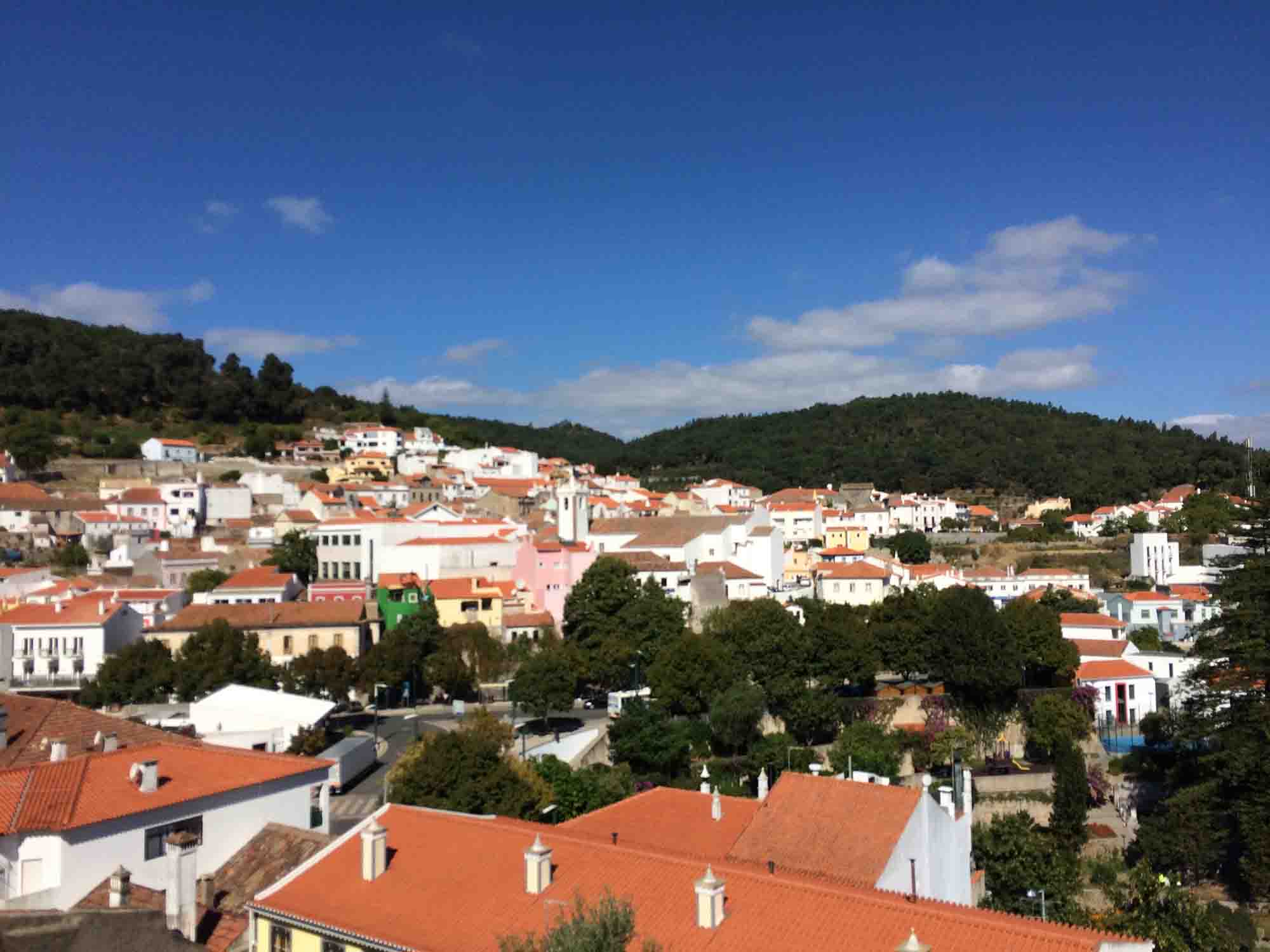
🏖️ No, Monchique is inland in the mountains.
🚆 Yes, but the station is not in Monchique itself and is not especially useful for day-to-day life.
Monchique is not one of the best places to live without a car. The town itself is small, but it is hilly, inland, and not especially convenient for reaching beaches or larger towns. It is better for someone who specifically wants a quiet mountain town and doesn’t need to get to and from the beach or other locations easily.
Sagres

🏖️ Yes, beach access is easy.
🚆 No train station.
Sagres is small, the beaches are accessible, and daily life can be manageable if you live centrally. The main issue is that it is remote, so getting to other parts of the Algarve takes more effort. If you want to go surfing, it’s a good idea to have a car so you can access more of the nearby Western Algarve beaches.
Aljezur

🏖️ The beaches are nearby, but not usually walkable from town.
🚆 No train station.
Aljezur is not one of the easiest places to live without a car. It can be done, but it requires more planning and more compromise than the larger Algarve towns.
Salema
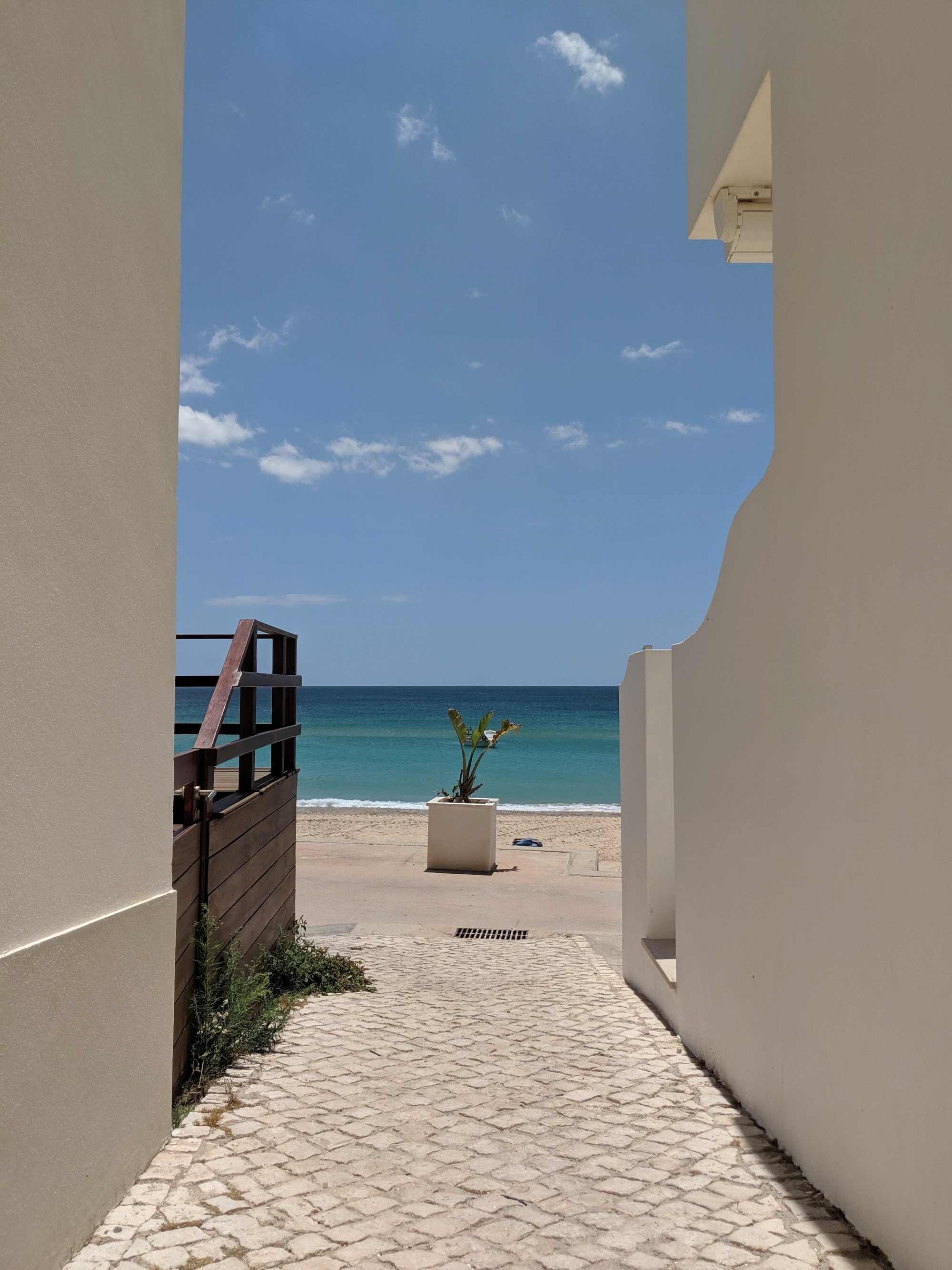
🏖️ Yes, beach access is easy.
🚆 No train station.
Because it’s very small, Salema is very walkable once you are there and the beach is right there too. The problem is that it is small, with limited amenities and fewer transportation options. It suits someone who wants a quiet village lifestyle and does not need to move around much.
Carvoeiro

🏖️ Yes, beach access is easy.
🚆 No train station.
Carvoeiro can work well without a car if you live in the center. You can easily walk around town and get to the beach, but transportation to other towns is not as strong as in places with a central train station. It is better for local day-to-day life than for frequent regional travel. Note the distance of the grocery stores from the town center.
Ferragudo

🏖️ Yes, beach access is easy.
🚆 Yes, but Parchal station is about 2 miles (3 km) away.
Ferragudo is charming and walkable, and it works reasonably well if you mostly want to stay local. The nearby station helps, but it is still less practical than larger hubs like Lagos or Faro. You will typically need to go to Parchal for nearby supermarkets which isn’t particularly far, but far enough if you’re carrying your shopping.
Armação de Pêra
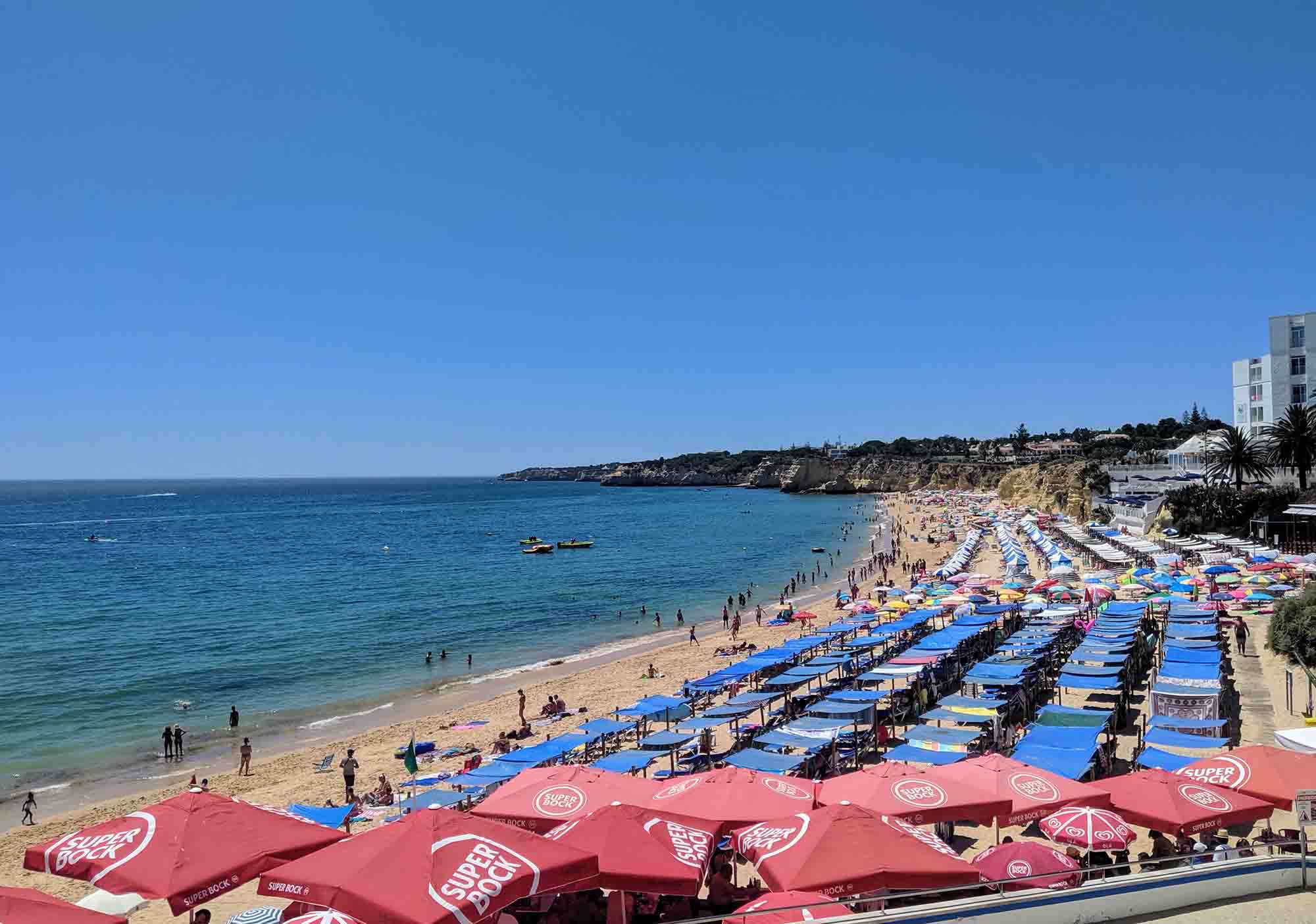
🏖️ Yes, beach access is easy.
🚆 No train station.
🚌 It is workable for local and regional bus travel, but it is not one of the Algarve’s strongest transport nodes.
Armação de Pêra is one of the better beach-focused options for people without a car. It is compact, the beach is right there, and most day-to-day grocery shopping can be done on foot. The main downside is that it is not as well connected to the rest of the Algarve as towns with rail access.
Praia da Rocha
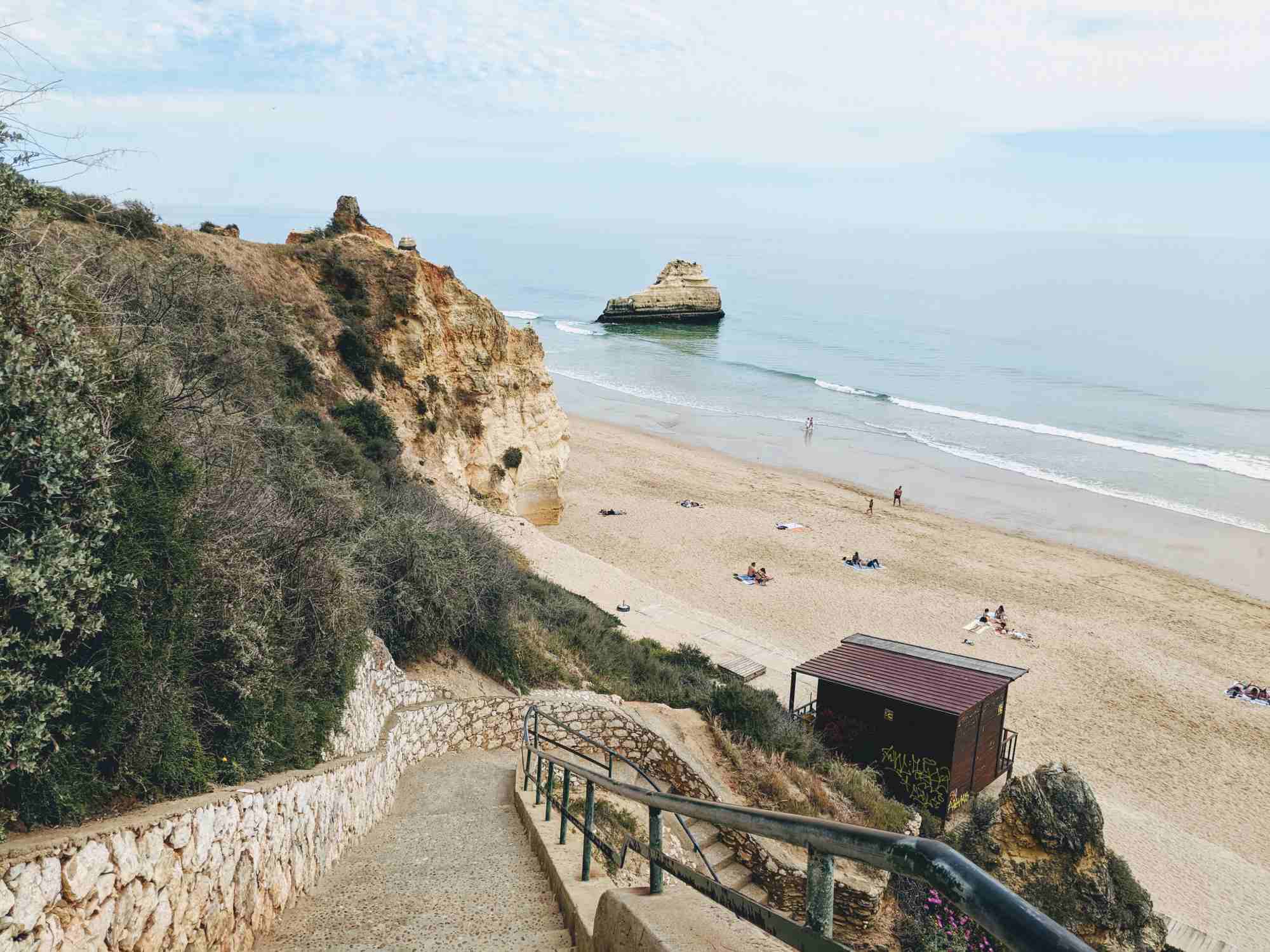
🏖️ Yes, beach access is very easy.
🚆 Yes, but Portimão station is about 1.2 miles (2 km) away.
Praia da Rocha can work very well without a car if your life revolves around the beach, restaurants, and nearby Portimão. It is more of a resort district than a full town, though, so some people may prefer the practicality of being based in Portimão itself. Still, for a beach-heavy lifestyle, it is a strong option, particularly as Portimão city center is so close by. However, you may spend a lot of time getting to and from Portimão.
Porches

🏖️ Beach access depends on exactly where you live.
🚆 No train station in town.
Porches is not one of the best places to be without a car. The bus services are limited and the nearest grocery stores are far from the town center.
Guia
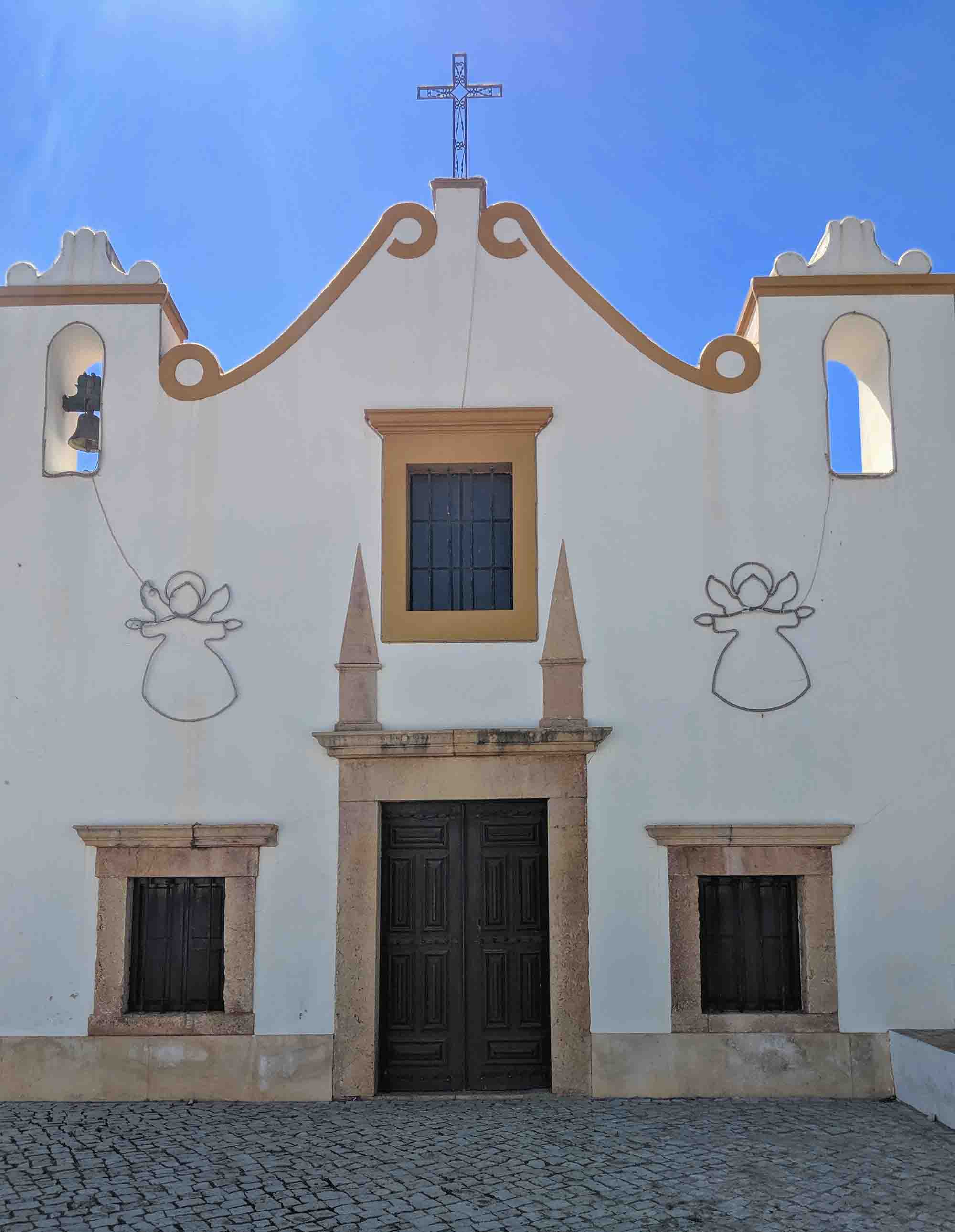
🏖️ No, Guia is close to the coast but not on the beach.
🚆 No train station.
Guia is not ideal without a car. It is not one of the main transportation hubs, and it is far from the nearest grocery stores and beaches (by foot, at least).
Alte
🏖️ No, Alte is inland.
🚆 Yes, but Messines-Alte station is about 7.5 miles (12 km) away.
Alte is a poor fit for most people who want to live in the Algarve without a car. It is inland, small, and relatively isolated. It suits someone specifically looking for a traditional inland village, not someone prioritizing easy transportation and beach access.
Messines

🏖️ No, Messines is inland.
🚆 Yes, São Bartolomeu de Messines has a train station in town.
Messines is better than some inland towns because it has rail access and a practical, everyday feel. That said, it is not coastal, so it is more appealing for affordability and convenience than for lifestyle or beach living.
Raposeira
🏖️ The beaches are nearby, but not usually on foot from the village.
🚆 No train station.
Raposeira is not an easy place to live without a car. It is small and relatively isolated, and while some people may like the quiet, most newcomers would find the lack of public transport and nearby ammenities restrictive.
Vila do Bispo
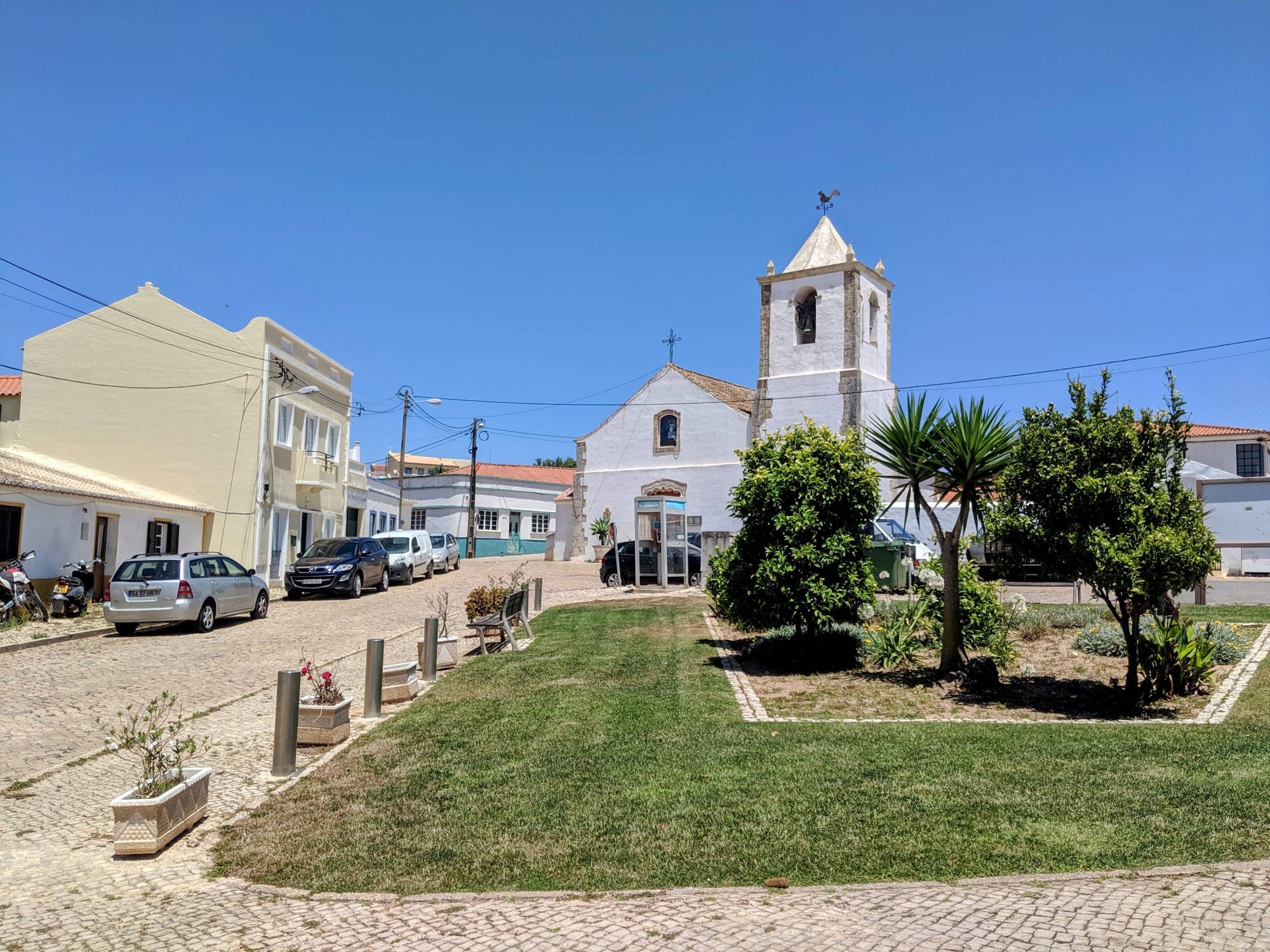
🏖️ Some beaches are nearby, but not usually on foot from town.
🚆 No train station.
Vila do Bispo is more practical than some tiny Western Algarve villages nearby, but it is still not especially easy without a car. The village is small, but thankfully you can get to the nearest grocery stores on foot.
Castro Marim
🏖️ The beach is not right in town.
🚆 Yes, but Castro Marim station is about 3 miles (5 km) away.
Castro Marim is not the easiest place to live without a car. It is more about a quiet inland-near-coast lifestyle than convenience. For most people, it would feel less practical than nearby places like Monte Gordo or Vila Real de Santo António.
Monte Gordo
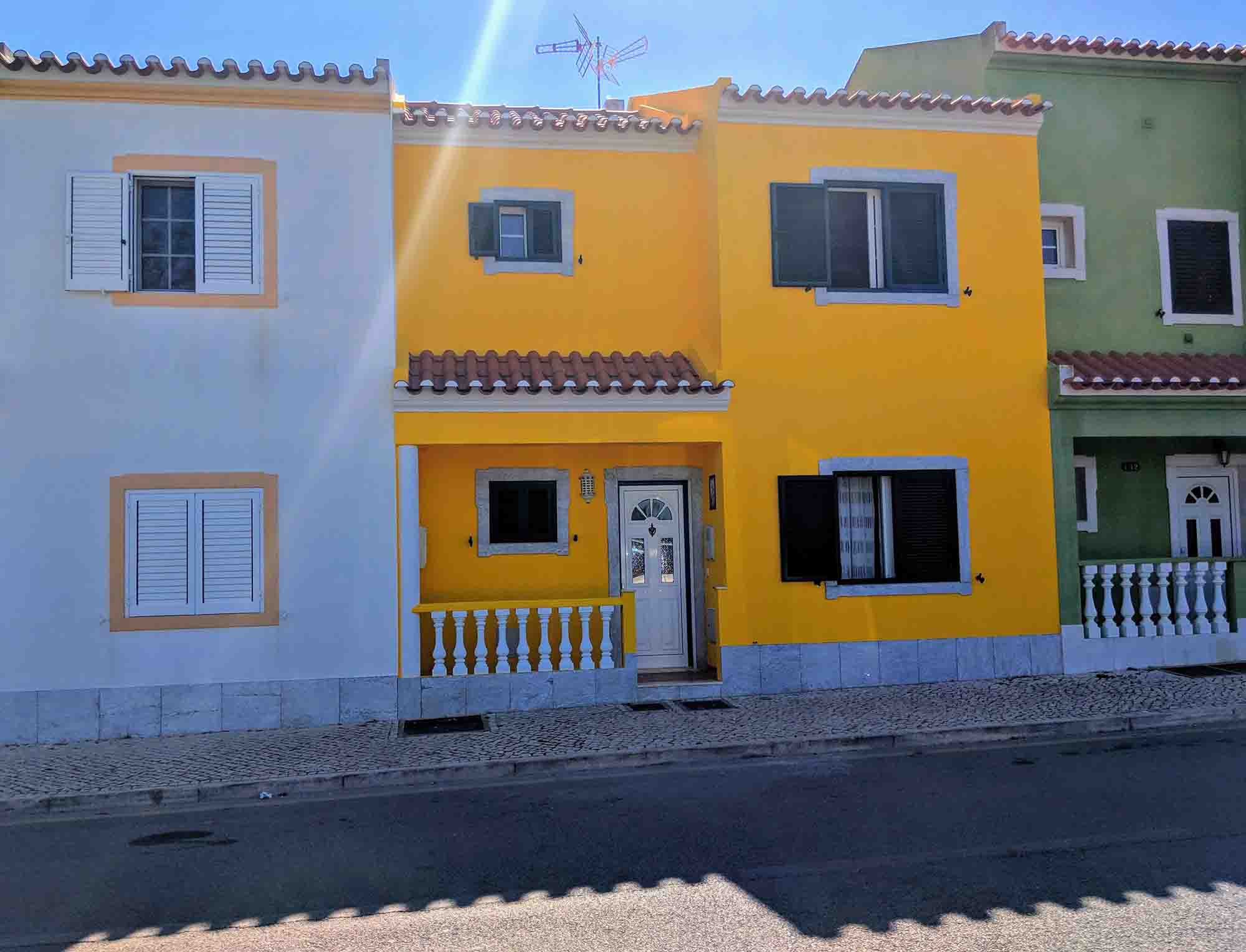
🏖️ Yes, beach access is easy.
🚆 Yes, Monte Gordo station is about 0.6 miles (1 km) away.
Monte Gordo is one of the better places in the Algarve for car-free living if beach access is the main focus. The town is flat, the beach is easy to reach, and the train station is close enough to be genuinely useful. Although the town has some small supermarkets, you will need a car or to take an Uber to some of the larger supermarkets nearby.
Quarteira
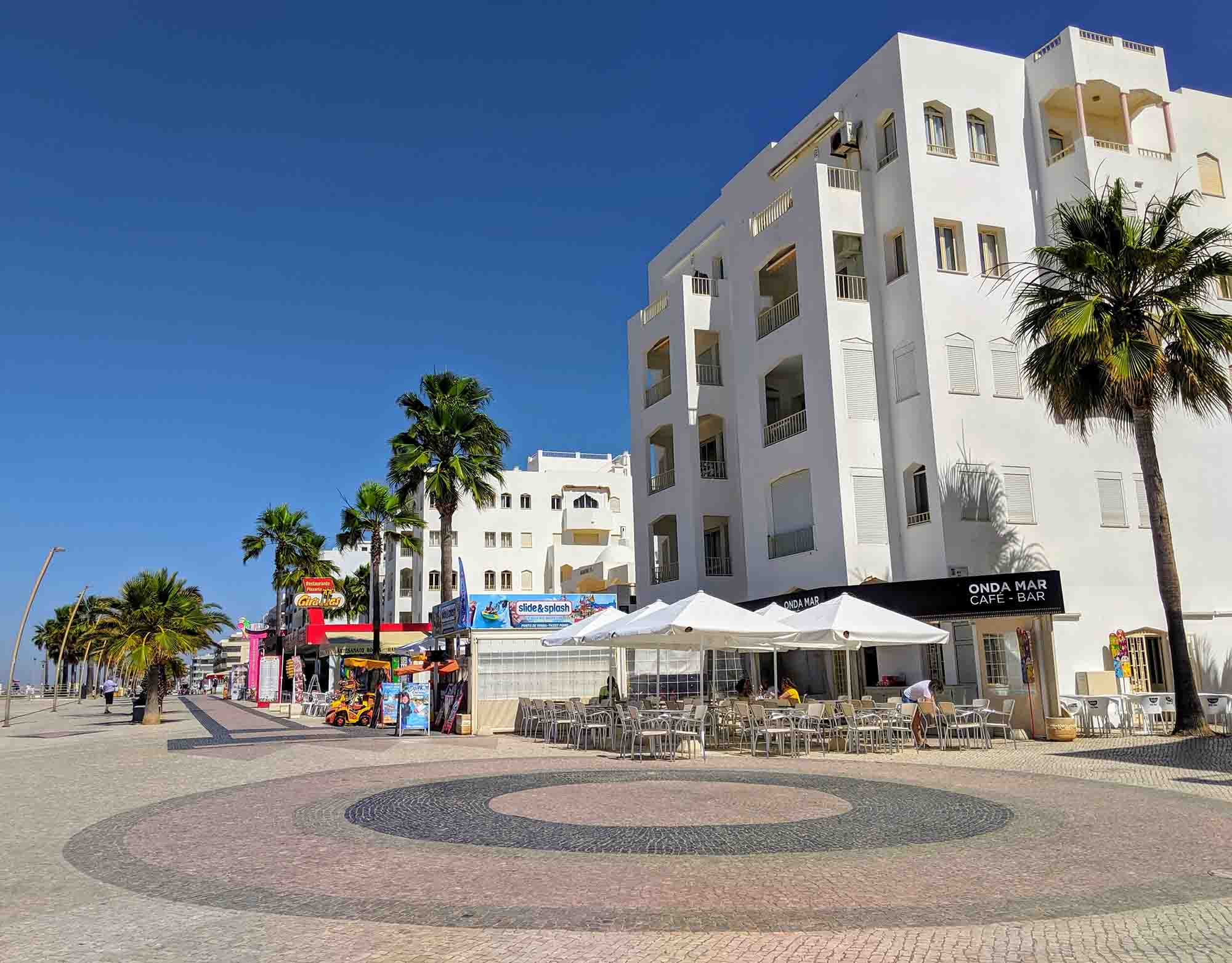
🏖️ Yes, beach access is easy.
🚆 No train station.
🚌 Quarteira benefits from regional bus connections, especially to Faro, which helps a lot if you do not have a car. It is not as strong a long-distance bus hub in its own right as Faro or Portimão, but it works reasonably well because of its central location and connections into the broader network.
Vilamoura

🏖️ Yes, beach access is easy.
🚆 No train station.
Vilamoura can work without a car, but it depends on your budget and lifestyle. Around the marina and resort center, it is easy enough to walk around, but it is more resort-like and less naturally practical than somewhere like Faro or Lagos.
Quinta do Lago

🏖️ Yes, beach access is possible, but it depends on where you are in the resort.
🚆 No train station.
Quinta do Lago is not a realistic car-free choice for most people. It is built around a luxury resort lifestyle rather than normal town life. While some parts are pleasant to walk, it is not designed around easy access to everyday services on foot.
Vale do Lobo

🏖️ Yes, beach access is possible, depending on location within the resort.
🚆 No train station.
Vale do Lobo has similar issues to Quinta do Lago. It is attractive and well maintained, but it is not a normal town, and daily life without a car would be inconvenient for most people. It is much better suited to people who drive.
Almancil
🏖️ No, Almancil is close to the coast but not on the beach.
🚆 Yes, but the station is outside town.
Almancil is more practical than the nearby luxury resorts and can work reasonably well without a car for day-to-day life. It has services and more of a real-town feel. It is a more sensible choice than Quinta do Lago or Vale do Lobo if you want that part of the Algarve without depending entirely on a car.
Lagoa
🏖️ No, Lagoa is not on the beach.
🚆 Yes, but Estombar-Lagoa station is about 2.2 miles (3.5 km) away.
Lagoa is workable. It is a proper town with amenities, plenty of supermarkets, a good bus station, and the nearby train station helps somewhat, but it is less convenient than places like Faro, Portimão, or Lagos. The town is located quite far from the beach, but you can get there using the local bus service.
Alvor

🏖️ Yes, beach access is easy.
🚆 Yes, but the nearest station is about 5.6 miles (9 km) away.
🚌 Alvor benefits from its proximity to Portimão, which helps a lot, but on its own it is not a major bus hub. Better for local living than for frequent wider travel.
Alvor is one of the more appealing beach-focused places for car-free living, especially if you live centrally. It is compact, attractive, and easy enough to manage on foot. The drawback is that rail access is not convenient, so it works best if you are happy relying more on buses.
Final thoughts
You can live in the Algarve without a car, but you need to be realistic. For those moving to Portugal without a car, the best towns are not necessarily the prettiest ones. They are the ones where you can actually walk into town, pick up groceries without too much hassle, get to the beach easily enough, and get to other places when you need to.
Before renting or buying, always check where the nearest supermarket is, whether there is a usable bus stop nearby, and how you would get to the places you will actually use most. On paper, lots of Algarve towns look manageable without a car. In practice, some are genuinely easy, and others only work if you are very patient.