

If you’ve decided Coimbra is where you want to buy, the next question isn’t whether it’s a good city — it’s where exactly to buy, what type of property makes sense, and what you need to know about the Portuguese buying process before you sign anything.
This guide covers all three: a honest overview of what living in Coimbra is actually like, a breakdown of the city’s main neighbourhoods and nearby alternatives, and a clear walkthrough of the Portuguese buying process — including the quirks that catch foreign buyers out.
Get a Free Property Consultation
What you’re actually buying into
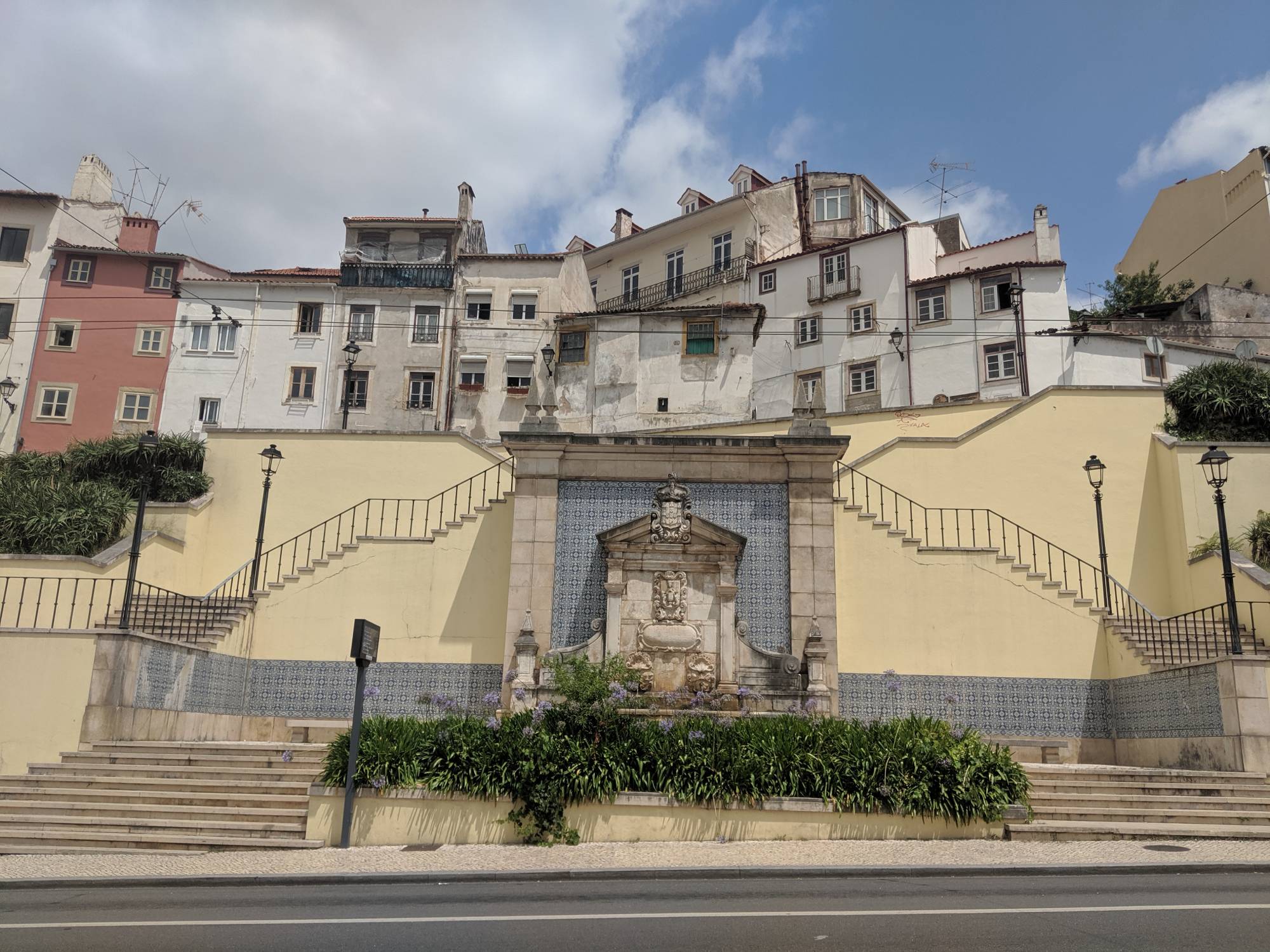
Coimbra is a compact, hilly university city on the banks of the River Mondego, roughly midway between Lisbon and Porto. People who live here tend to describe it as beautiful, manageable, and genuinely pleasant for day-to-day life — safe, culturally active, easy to navigate once you know it, and less pressured than either of Portugal’s big cities.
The university is central to the city’s character. As the home of one of the oldest universities in Europe — a UNESCO World Heritage Site — Coimbra has an international feel, a strong calendar of events, and a population that skews younger and more open than many provincial cities. English is widely spoken, particularly among younger residents and anyone connected to the university or hospitals.
But it’s worth being clear-eyed about what Coimbra is not. It’s not Lisbon. The social scene is heavily shaped by the academic calendar, which means the city has genuine energy during term time and can feel noticeably quieter in summer. The age mix tends toward students and older residents. Nightlife near the historic centre and university areas can be noisy, while other parts of the city can feel quiet in a way that some newcomers find isolating until they plug into local networks.
The other thing Coimbra is known for — and which genuinely affects daily life — is the topography. The city is hilly. Not just postcard-hilly, but practically hilly: steep climbs, uneven pavements, buildings without lifts, and streets that are a real obstacle for anyone with mobility limitations. This matters when choosing a property, not just when visiting.
What does property cost here?
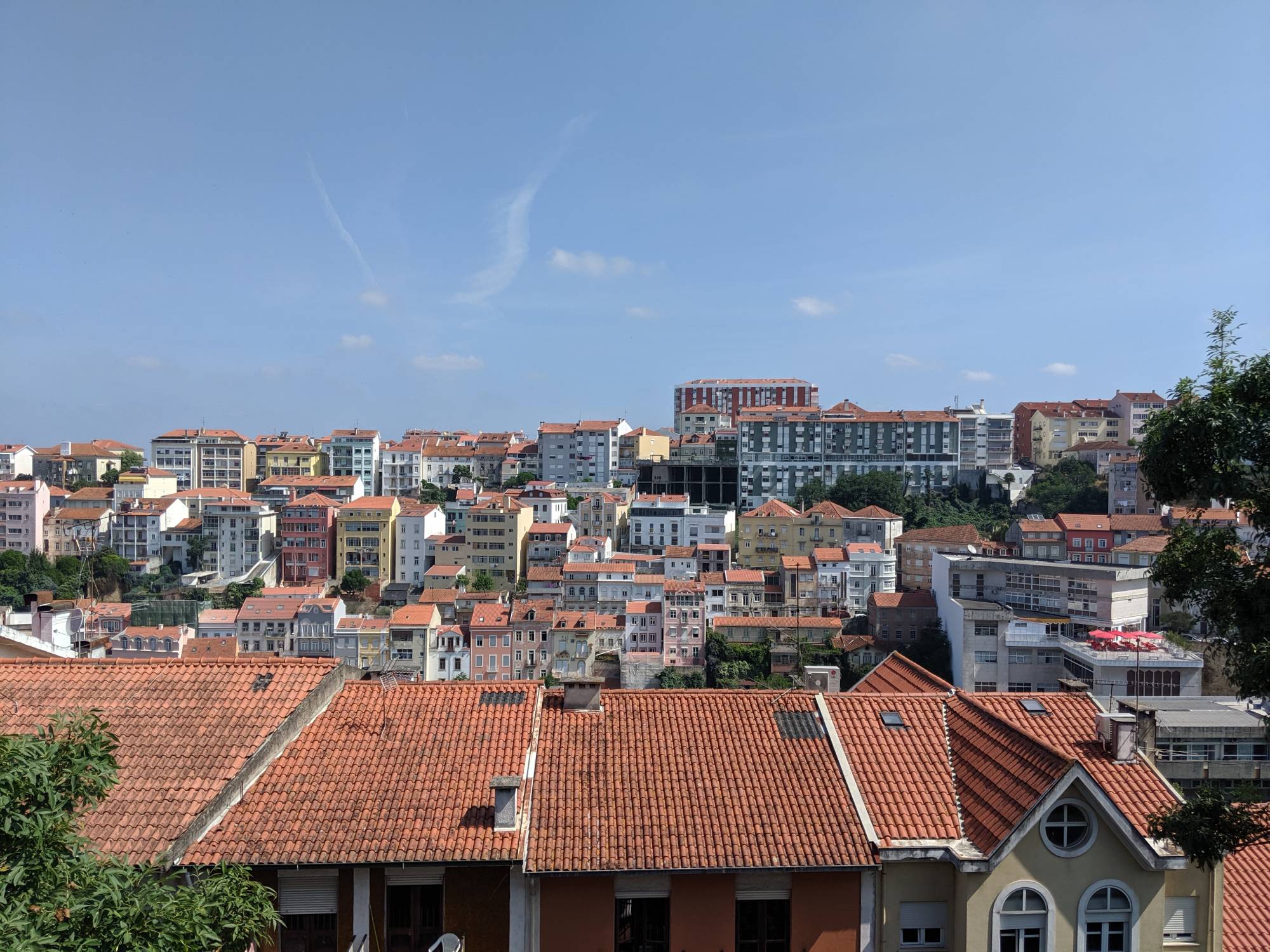
According to Idealista data from April 2026, the average asking price in Coimbra is €2,868/m² — up 14.5% year-on-year and close to its historical peak. Prices have risen sharply over the past two years, driven by growing domestic and international demand, limited supply of well-located stock, and Coimbra’s rising profile among buyers priced out of Lisbon and Porto.
To put that in context:
- Lisbon runs around €5,800–6,000/m² in the city. Coimbra is roughly half that.
- Porto is around €4,200–4,500/m². Coimbra is around 35% cheaper.
- The national average is approximately €3,076/m² (February 2026) — Coimbra sits slightly below it, which reflects how much coastal and capital-city prices inflate the national figure.
Within Coimbra, prices vary significantly by neighbourhood. Desirable residential areas like Solum and Vale das Flores will sit at the upper end of the city range. The historic centre can carry an address premium, though older stock in worse condition can be found more cheaply. Quieter peripheral areas like Santa Clara or Eiras will generally be lower than central Solum.
Prices are still rising. Coimbra recorded one of the highest year-on-year increases among Portuguese cities with over 100,000 inhabitants in 2025. That’s relevant context both for buyers thinking about value and for investors thinking about capital appreciation.
If you want cheaper: nearby alternatives
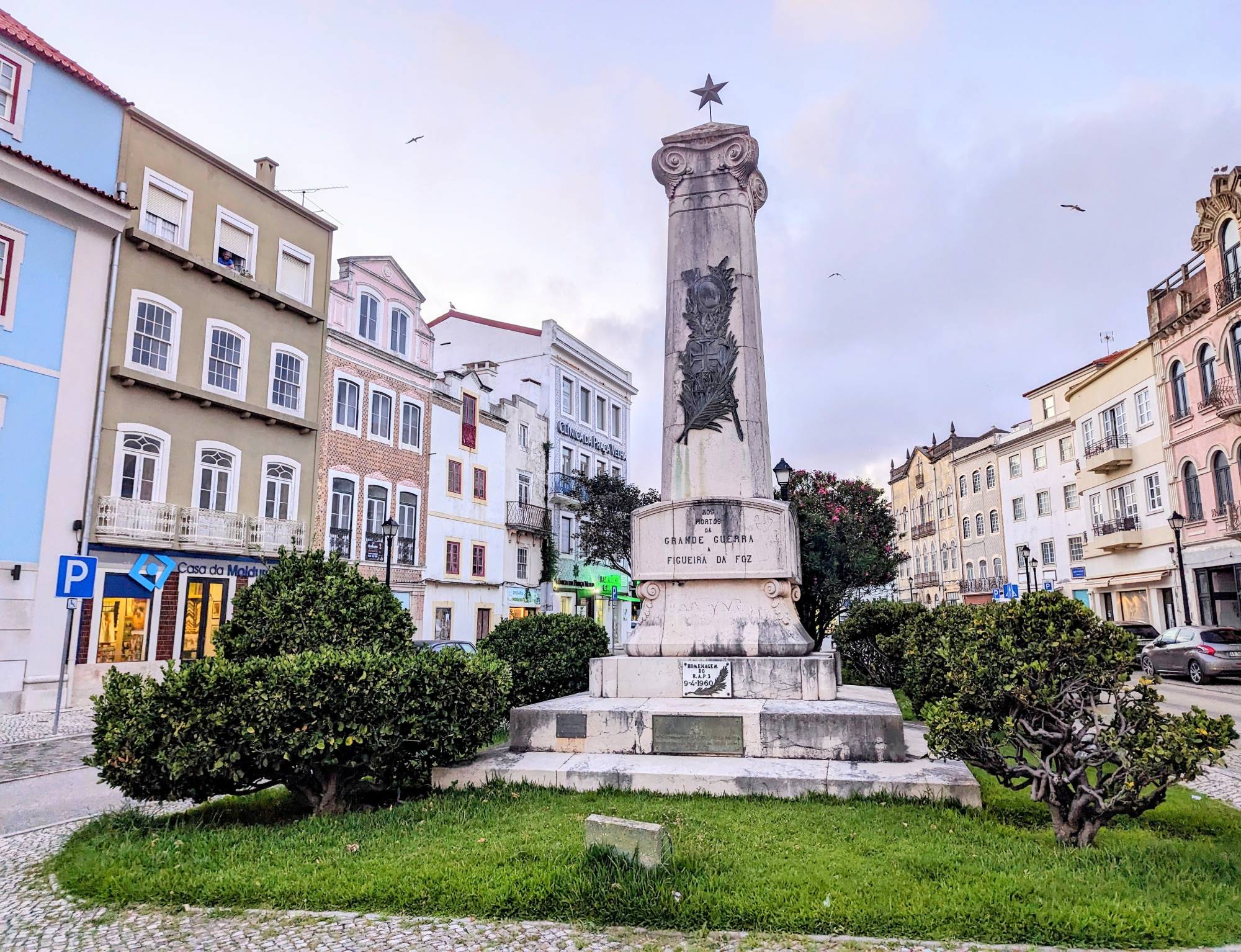
Coimbra’s price growth means that buyers who want more space, a lower entry price, or a different lifestyle are increasingly looking at the surrounding district. A few options worth knowing:
Figueira da Foz — beach access at a significant discount
Figueira da Foz is Coimbra’s nearest city-sized coastal town, around 45 minutes west by road or rail. It sits on the Atlantic, has one of the longest urban beaches in Europe, and functions as a real city with its own services, hospital, and year-round population. Idealista’s most recent data puts Figueira da Foz at around €1,830/m² — roughly 36% cheaper than Coimbra city.
For buyers who want genuine coastal living without Algarve prices, Figueira is worth serious consideration. The Buarcos area, a former fishing village on the northern end of the beach, is particularly popular for its character and sea frontage. The trade-off: Figueira has a more seasonal feel than Coimbra, the social scene is smaller, and the winter can feel emptier. But for someone who wants to wake up by the sea and still have easy rail access to Coimbra, Porto, and Lisbon, it’s a genuinely compelling option.
Condeixa-a-Nova — 15 minutes from Coimbra, meaningfully cheaper
Condeixa-a-Nova is a small town about 15 km south of Coimbra with good road access via the A13 motorway. It’s quieter and more residential than the city, with a mix of older village stock and newer developments. Properties here — particularly houses with gardens and newer apartments — come in well below Coimbra city prices, and listings regularly show spacious villas and plots at prices that would be impossible within the city. It’s a practical base for buyers who want more space, don’t need the city on their doorstep every day, and are comfortable with a short drive for most things. The nearby Roman ruins at Conimbriga are worth noting — a genuinely impressive archaeological site right on the doorstep.
Penela and the Serra de Sicó — deep value, rural trade-offs
Penela is a small municipality in the hills south of Condeixa, about 30 km from Coimbra. Idealista data shows average asking prices around €700/m² or below — some of the cheapest in the entire Coimbra district. This is rural Portugal: stone village houses, quintas, land, and a very different pace of life. For buyers who want space, character, and the lowest possible entry price in the region, and who are comfortable being car-dependent for almost everything, the Serra de Sicó area offers remarkable value. But go in with realistic expectations about renovation requirements, rural infrastructure, and what it actually means to live somewhere this removed from urban services.
Lousã and Miranda do Corvo — Serra da Lousã foothills
Lousã and Miranda do Corvo sit in the foothills of the Serra da Lousã, about 25–30 km east of Coimbra. They’re popular with people who want nature, hiking, and a quieter life while staying within reasonable reach of the city. The serra has become increasingly well-known among Portuguese weekend visitors, and both towns have their own character and services. Property prices are well below Coimbra city levels, and you’ll find houses with land and older village properties at very different price points from anything within the city. A car is essential.
Where to buy within Coimbra: the neighbourhoods
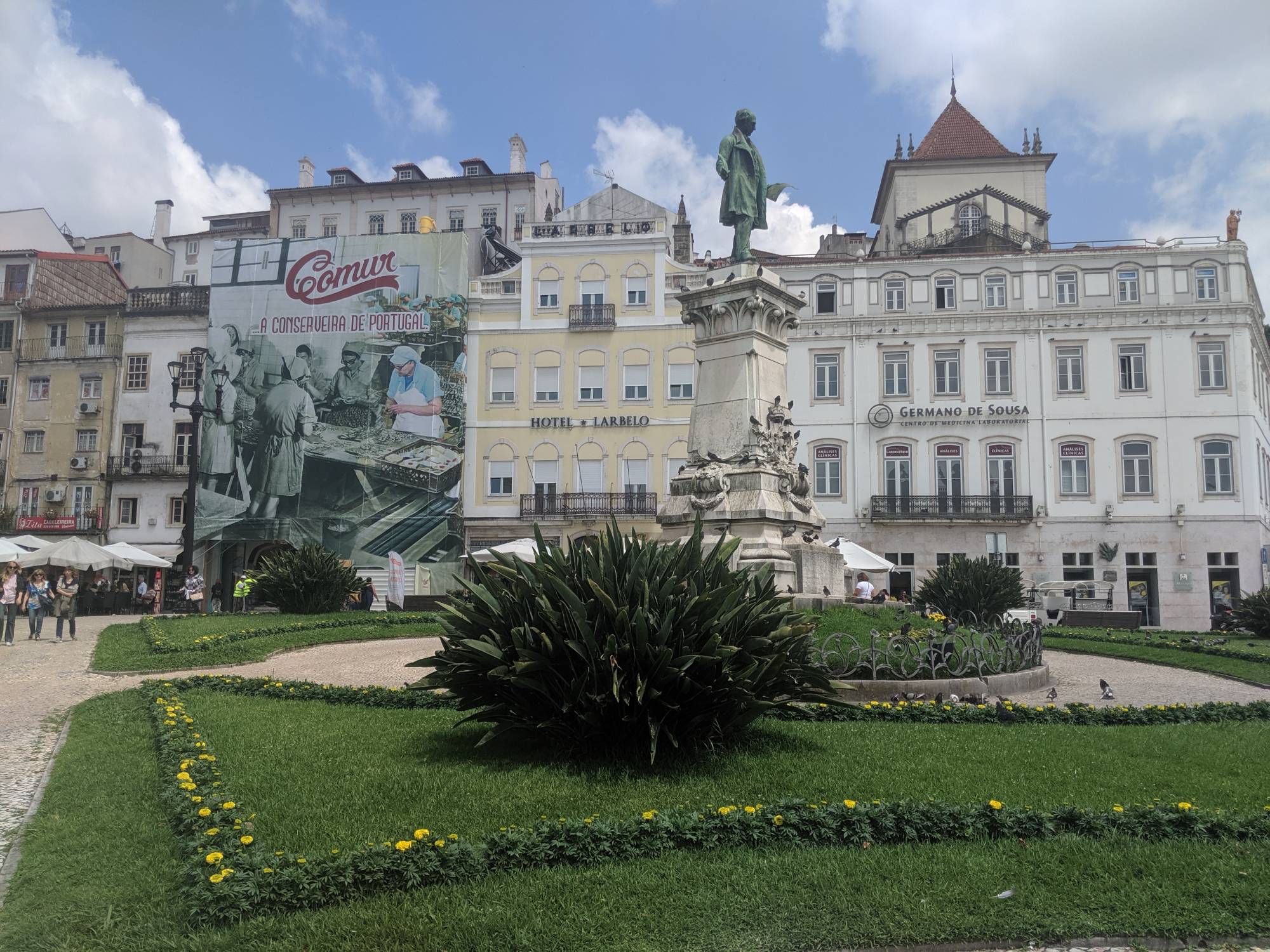
Coimbra is a market where micro-location matters more than the city name. A flat in the right street will rent and sell more easily, feel more liveable, and hold its value better than a prettier property two blocks away that sits on a steep hill with no parking. Here’s a breakdown of the main areas.
Alta and Baixa — the historic centre
The Alta is the hilltop district housing the historic university: cobbled streets, Baroque libraries, and sweeping views over the river. The Baixa is the lower commercial centre — pedestrian streets, cafés, markets, and daily activity. Both have enormous character and are the most recognisable parts of Coimbra.
For buyers, the trade-offs are real. Charm and central location come with access and parking complications, older building stock with frequent maintenance and insulation issues, student-heavy turnover, and noise — particularly in the Alta at night during term and during Queima das Fitas, Coimbra’s large annual student festival that takes over the centre for a week each May. For an investor seeking short-term rentals or furnished student lets, the location is appealing; for an owner-occupier looking for long-term comfort, it deserves careful scrutiny at different times of day and season.
Celas and the hospital district
Celas sits north of the historic centre, close to the University Hospitals — one of the largest medical complexes in Portugal — and several faculties. It’s well-served by shops, transport, and practical amenities, with a mix of older and recently renovated stock. The proximity to hospitals makes it consistently popular with medical staff, academics, and long-term tenants, giving it stable rental demand beyond the purely student market.
Solum and Vale das Flores
Generally considered Coimbra’s most desirable residential addresses — quieter and more established than the centre, with better parking, more modern buildings, good schools, and easy access to shopping. Both areas have a higher proportion of post-1970s and newer stock: more lifts, better energy performance, more practical layouts. Prices reflect that and sit at the upper end of the city range.
Santo António dos Olivais, Quinta da Portela, and Eiras
Santo António dos Olivais is the broader parish encompassing several residential sub-areas on the city’s eastern side, including Quinta da Portela — newer condominium developments with good road access to faculties — and Eiras, which offers more affordable entry prices alongside modern residences and quick motorway access. Both work well for investors targeting students and young professionals, and for buyers who want newer stock at lower prices than central Solum.
Santa Clara
On the south bank of the Mondego, quieter and greener, with a more residential family-oriented character and good value relative to equivalent properties on the north bank. Access to the centre is easy by bridge and improving year-on-year. Worth considering for buyers who want space and calm without being far from the city.
The surrounding district
Beyond the city, the Coimbra district extends into attractive rural terrain. The nearby alternatives section above covers the main options, but the general principle is: the further you go from the city centre, the lower the price and the more car-dependent the lifestyle.
What type of property — and why it matters here
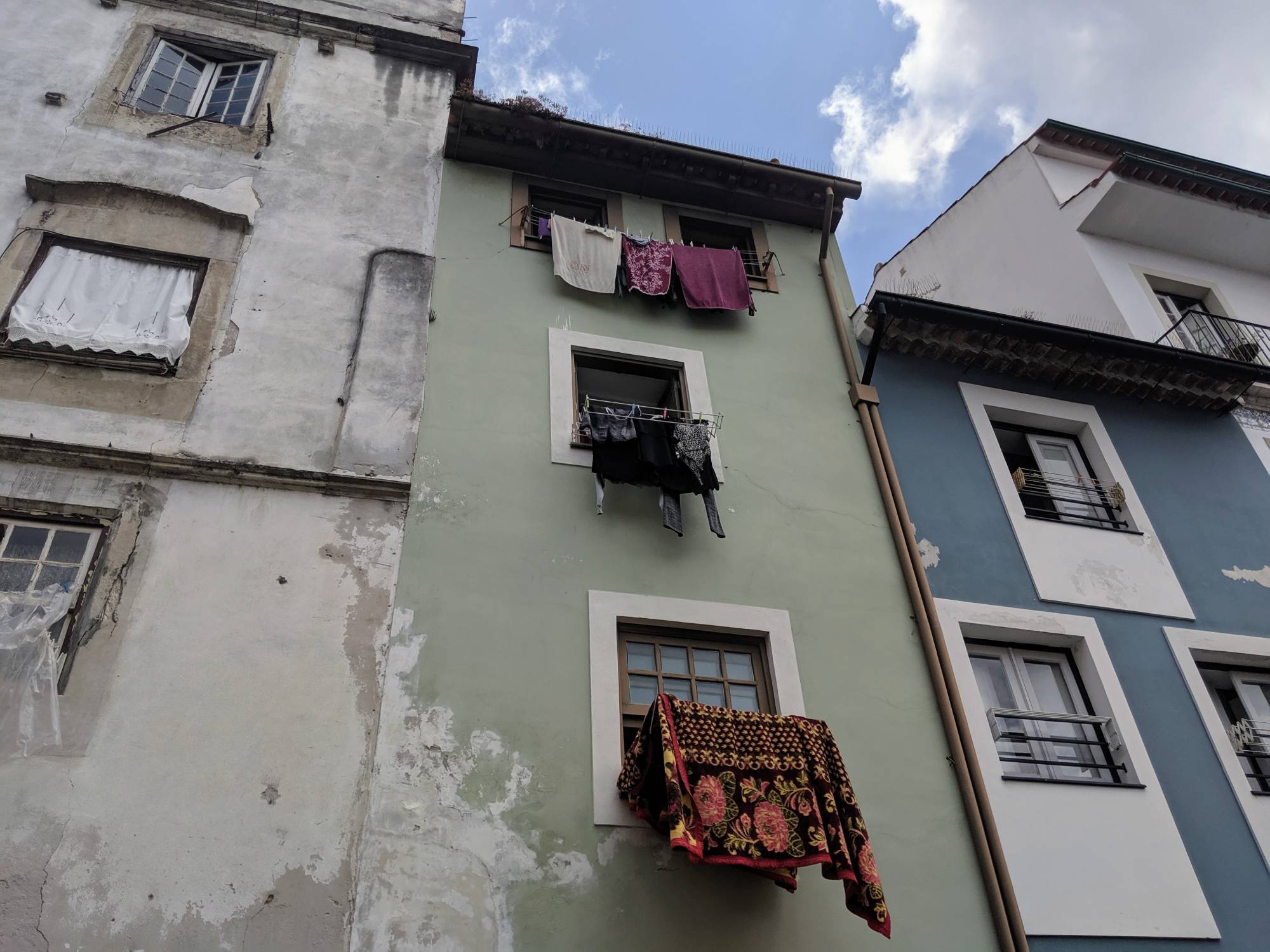
Older apartments in the centre often come with thin walls, poor insulation, no lift, and damp issues — particularly in lower floors on narrow streets. Budget for renovation, check the energy certificate carefully, and treat a fresh coat of paint before sale with appropriate scepticism.
Newer or renovated apartments in Solum or Quinta da Portela will have lifts, better energy performance, parking, and lower maintenance demands. They cost more per square metre but are more practical to live in and easier to resell.
The cold house problem catches almost every northern European and North American buyer off guard. Portuguese homes — particularly older stock — have little to no insulation and often no central heating. Indoor temperatures of 10–14°C in January are not unusual in an unheated older property. If you’re buying older stock, budget for double glazing, insulation, and heating. AC is equally worth installing for summer, though Coimbra’s summers are warm rather than extreme. Factor in €800–3,000 for AC installation and potentially significantly more for meaningful insulation retrofitting.
Floor level and aspect matter more than most buyers expect given the topography. Sun exposure, ventilation, and proximity to student areas all change the experience dramatically between one floor and the next, or one street and the next.
For investors, the clearest demand signal is the university and hospital system. Furnished T1s and T2s within walking distance of faculties or the hospital complex outperform prettier but poorly-connected properties. Shared T3s and T4s work for student lets on a room-by-room basis but require more active management. Long-term furnished lets of nine to twelve months offer more stability than short-term tourist lets — Coimbra’s demand is driven by students, academics, and medical staff rather than just tourists.
For owner-occupiers, think carefully about slope, parking, and noise before committing. Visit on a weekday evening during term time and again in summer. The city changes seasonally more than most.
Buying smart in Coimbra
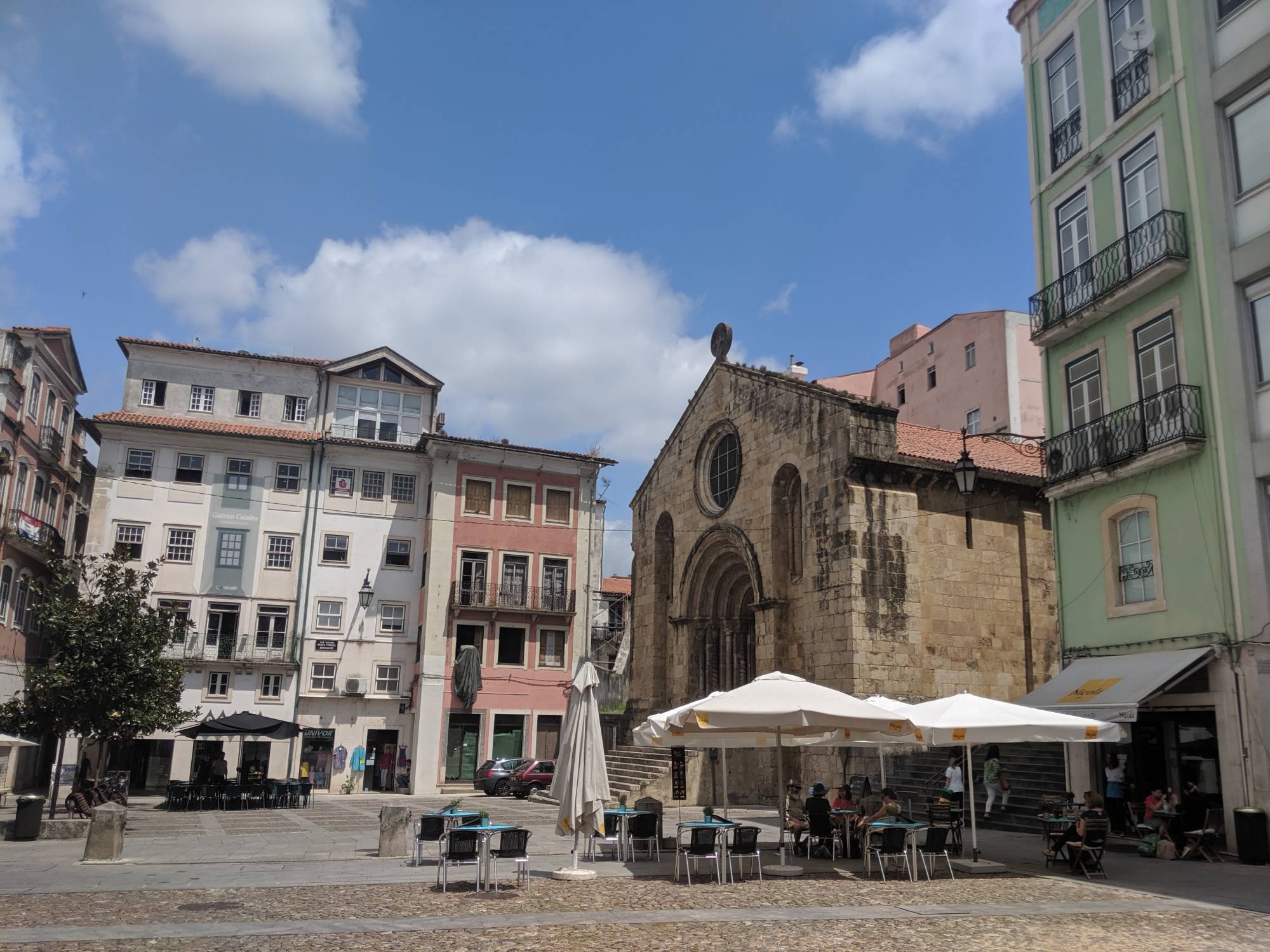
Judge the micro-location, not just the neighbourhood name. Solum is generally desirable, but a flat on a steep one-way street with no parking and a student bar below it is a different proposition entirely. Walk the street at different times of day. Visit during term and in summer.
Don’t assume the listing price is the market price. Without a public database of completed sale prices, asking prices can be inflated. A buyer’s agent with market data, or a careful comparison of price per square metre across similar active listings, is worth the effort before making an offer.
Factor in total ownership costs. Purchase price and mortgage are not the full picture. IMI, condominium fees, maintenance on older stock, insurance, heating and cooling installation, and property management costs if you’re not living there full-time all add up. Run the full numbers.
Prioritise the building as much as the flat. Lift access, building condition, parking, and sun exposure make an enormous practical difference to daily life and resale appeal. A well-located flat in a poorly maintained building with no lift is a harder sell and a harder live.
Consider the full geography. If Coimbra city prices stretch your budget or you want more space than the city offers, the alternatives in the district — particularly Figueira da Foz for coastal access, Condeixa-a-Nova for suburban space, or the Lousã foothills for nature — offer genuinely different lifestyles at lower entry prices. The question is always what trade-offs you’re actually comfortable making.
Ready to start your search in Coimbra? Our team of local property specialists knows the city’s neighbourhoods in detail and can guide you through every stage of the process — from identifying the right micro-location to completing the legal paperwork. Get in touch today.
 Thinking about Moving to Portugal?