
Central Algarve · Inland
What it’s like to live in Silves
An inland Algarve town with a Moorish past — red sandstone castle on the hill, orange groves around it. Authentic Portuguese life away from the resort towns, with the beaches still 20 minutes away.

Silves at a glance
the essentials, before you read on
📍
Region
Central Algarve
👥
Population
~11,000 (town)
✈️
Nearest airport
Faro — 45 min by car
🏖️
Nearest beach
Armação de Pêra — 20 min
☀️
Climate
Hot dry summers, mild winters
⭐
Best for
Authentic Algarve, year-round
Nestled in the heart of the Central Algarve, Silves was once the Moorish capital of the region — a heritage you can read in the architecture, the food and the rhythm of the town. Dominated by its red sandstone castle, it offers a captivating blend of history and modern living that has steadily drawn expats and visitors over the past decade.
Living in Silves means a slower pace. The Mediterranean climate encourages outdoor living, the Arade River provides a serene backdrop for evening strolls, and the surrounding countryside opens up for hiking, cycling and walks through the famous orange groves.
The town is no museum piece, though. A gradual influx of international residents has built a diverse community where traditional Portuguese life sits comfortably alongside modern amenities and global perspectives. For an authentic Portuguese experience without sacrificing comfort — and a gateway to the sun-soaked Algarve beaches without the resort feel — Silves is increasingly the answer in expat forums and Facebook groups.
A look around
Silves in pictures


What it’s like
Attractions
Silves Castle
Perched on the town’s highest point, this imposing red sandstone castle is Silves’ most iconic landmark. Built by the Moors in the 8th century, with panoramic views across the countryside and the Arade River. The walls, towers and cisterns are well preserved.
Silves Cathedral
The Sé de Silves, next to the castle, is a striking Gothic cathedral with Baroque and Rococo flourishes — built on the site of a former mosque. The interior holds the tombs of Crusader knights who recaptured Silves from the Moors.
Roman Bridge & old town
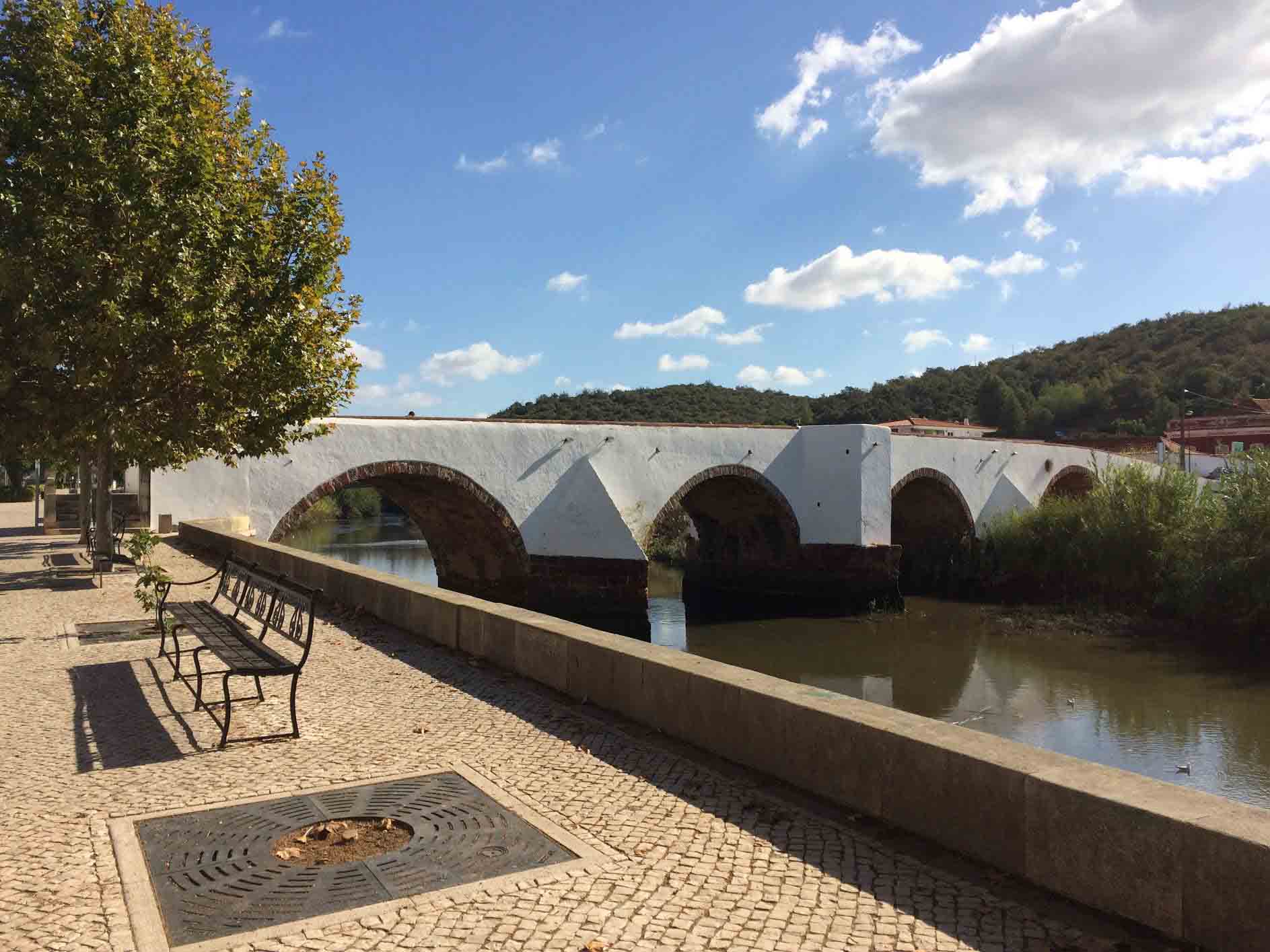
Silves is rare among Algarve towns for the depth of its history beyond the castle: the old Roman bridge across the Arade, the Cruz de Portugal carved stone cross, and the maze of streets in the old town. In August, the town hosts the annual Medieval Festival — knights, jousting and Arabic food bring the place to life.
The honest view
Upsides & downsides of living here
✓ Pros
- Rich history — castle, cathedral, Roman bridge, Medieval Festival. Unusual depth for an Algarve town.
- Lower cost than coastal Algarve resorts.
- Authentic Portuguese life — fewer expats than Lagos or Albufeira; deeper integration possible.
- Year-round community — bars, restaurants and amenities stay open in winter; the town doesn’t go ghost-town.
- Beaches close by — Armação de Pêra and Carvoeiro 15–20 min away; great Algarve beaches like Benagil, Marinha and Caneiros within 25 min.
- Good school options nearby — solid public school in town, plus British, Dutch and German international schools within easy reach.
✗ Cons
- Hot inland summers — no coastal breeze, can hit 35°C+ in peak weeks.
- Car essential for beaches, supermarkets outside the centre, and most exploring; public transport is light.
- Limited nightlife — quiet evenings most nights, fine for some, dull for others.
- Less English-friendly than coastal Algarve resorts; some Portuguese makes daily life much easier.
Visas & residency
Can I move to Silves?
Portugal has several visas and residency permits aimed at EU/EEA/Swiss nationals and people from the rest of the world — students, retirees and entrepreneurs. The most common options:
🇪🇺
Most Europeans can move to Portugal with no visa needed. Spouses, partners and qualifying family members usually can too.
🏛️
For those with regular passive income — pensions and Social Security most commonly, but also rental income, dividends and royalties.
💻
For freelancers and remote workers essentially bringing their job to Portugal — income must come from outside the country.
💎
For those with significant savings to invest (~€500,000) or donate. The big draw: only about seven days a year in Portugal required, though you can spend more if you wish.
💼
For entrepreneurs starting a new business in Portugal or relocating an existing one — one of several entrepreneurial routes.
The property market
Renting & buying property
The Silves market spans traditional townhouses in the historic centre, modern apartments and detached villas on the outskirts. Prices have been climbing with the town’s growing popularity, but still sit well below the coastal Algarve resorts.
Buying
Older properties needing renovation can be found from €100,000. Modern apartments and well-maintained homes sit in the middle of the market.
Luxury villas with pools and grounds command €500,000+.
Typical stock: traditional townhouses with exposed stone walls and terracotta floors, modern apartments, and detached villas on the edges of town.
Renting
A one-bed apartment in the centre typically runs €400–€500/month.
Larger or more desirable properties: €600–€1,000/month.
Long-term lets are available, but summer prices spike with tourist demand — lock things in before peak season if you can.
Practical details
Living here, day to day
Cost of living
Generally lower than the more touristy coastal Algarve towns. Groceries are reasonable, especially local fruit and vegetables; dining at local spots is cheap. Utilities are moderate, though winter heating costs run higher than expected — most Portuguese homes lack central heating.
A couple can live comfortably on €1,500–€2,000/month depending on lifestyle and housing.
Schools
Public secondary Escola Secundária de Silves ranks well — 206 and 260 in Público and Observador’s 2021 rankings. International options nearby: Nobel Algarve British International School in Lagoa (~15 min drive), the Dutch-speaking Nederlands Onderwijs Algarve Portugal in Silves itself, and the Deutsche Schule Algarve on the way to Lagoa.
For higher education, the University of Algarve in Faro (~45 min) offers undergraduate and postgraduate courses, some taught in English. More on Portuguese schools →
Hospitals & healthcare
Local facilities cover everyday care; larger hospitals are in nearby Portimão and Faro. Quality is generally high and costs are reasonable, particularly within the public system. Private health insurance is available at competitive rates if you want faster specialist access.
Getting around
The historic centre is compact and walkable, though it slopes up sharply towards the castle. A car is essentially required for living here — beaches are 25 min away (Benagil, Marinha, Caneiros among the country’s best), and supermarkets and exploring depend on it.
Silves has a train station on the Algarve line, but it’s 2 km outside the centre and requires a taxi or Uber. Local and regional buses connect to nearby towns and beaches, though services thin out on weekends.
Shopping covers Continente Modelo, Lidl and a few smaller supermarkets, plus the daily Mercado Municipal (biggest on Saturdays, closed Sundays).
Will I need Portuguese?
More than in the coastal Algarve resorts. Silves is inland and more traditional — many shops, restaurants and public services have limited English. A little Portuguese opens doors with neighbours and shopkeepers and smooths daily life. For citizenship later, you’ll need A2 Portuguese (second-most basic level).
Climate
Mediterranean — hot dry summers, mild winters. Summers 20–30°C with peaks of 35°C+; winters 10–18°C, rarely below 5°C at night. Most rain falls between October and March; summers are bone dry.
Silves doesn’t get the coastal breeze that cools beach towns, so high summer feels notably hotter here. Relief is close though — Armação de Pêra and Carvoeiro are 15–20 minutes away, and there are praias fluviais (river beaches) along the Arade for a cooler freshwater swim.
Food & drink
What to eat in Silves
Silves sits inland but the Algarve’s seafood tradition runs through the town’s kitchens. The orange groves and almond crops around it shape the food too, and the result is some of the most distinctive cooking in southern Portugal.
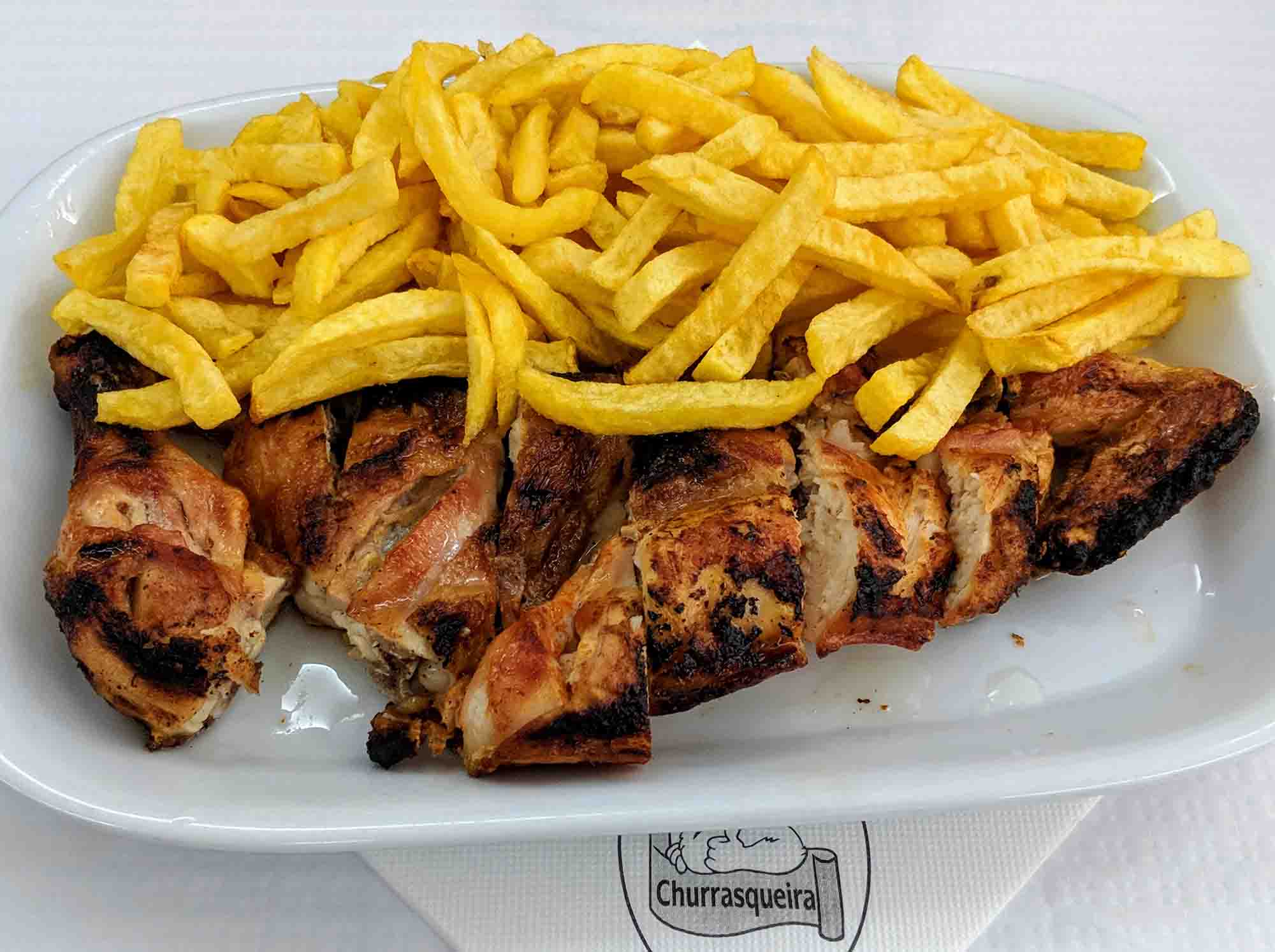
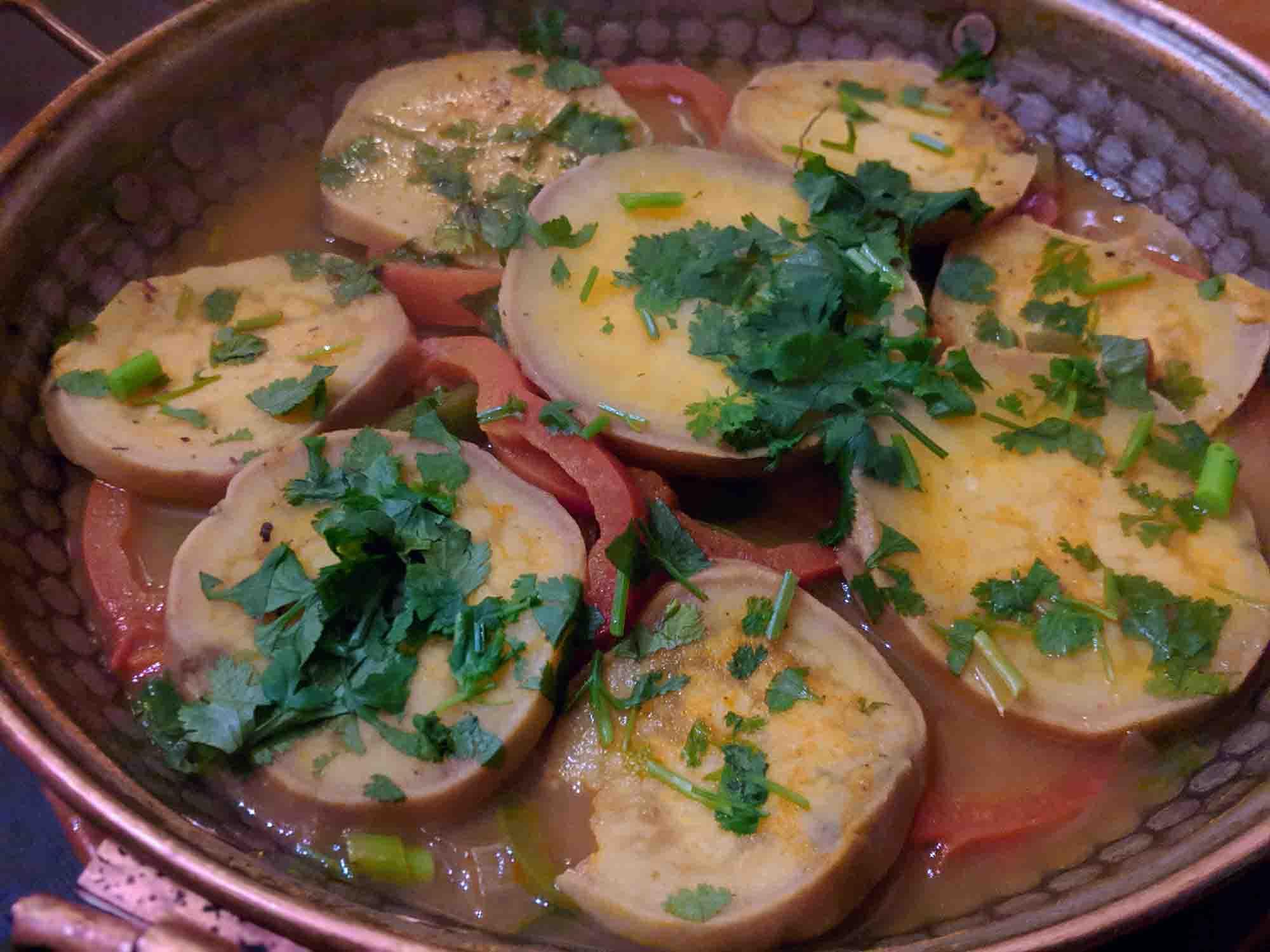
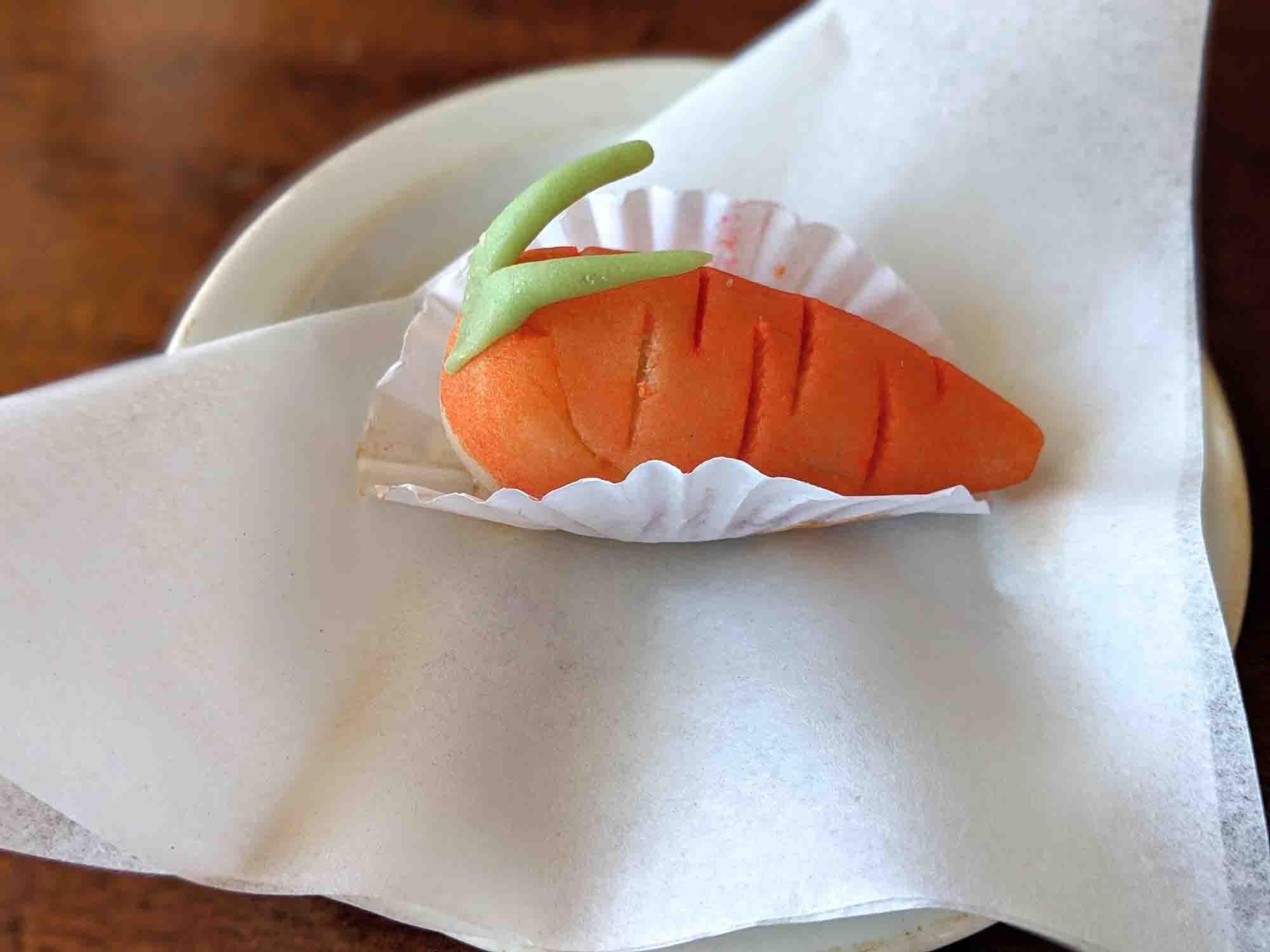
The signature dish is cataplana de marisco — seafood (shellfish, fish, sometimes pork) slow-cooked in the clam-shaped copper pot of the same name. Frango piri-piri — spicy grilled chicken with the Algarve-born piri-piri sauce — turns up on most local menus, and is good in nearly all of them. Smaller dishes are just as rewarding: conquilhas à algarvia (small clams with olive oil, garlic and coriander) and xerém, a corn-flour porridge served with fried sardines or other fish. For dessert, tarte de amêndoa uses the region’s abundant almond crop and is hard to walk past at a café counter.
The national repertoire fills out any menu: caldo verde (kale and potato soup), grilled fish, grilled meats and cozido à portuguesa, the weekend stew of meats and vegetables. Finish with a pastel de nata.
Vegetarians and vegans have fewer dedicated places than in Lisbon or Porto, but awareness is growing and most restaurants will adapt with notice. Apparently-plant-based dishes often contain sausage or lard — communicate clearly in traditional places, and call ahead in rural restaurants.

Life here
Expat life & retiring in Silves
Expat life
The international community in Silves is growing but smaller and less concentrated than in coastal towns like Albufeira or Lagos — which most people who choose Silves see as a feature, not a bug. The trade-off is deeper integration with Portuguese neighbours and a fuller experience of the local culture.
One of the underrated wins: Silves doesn’t go ghost-town in winter. Bars, restaurants and amenities stay open year-round, so the community feel is consistent — unlike many coastal resorts where half the businesses board up between November and March.
Retiring here
A balance of tranquility and accessibility that suits a lot of retirees. The flat centre is easy to navigate; some streets towards the castle are sloped. Healthcare locally covers day-to-day; larger hospitals are in nearby Portimão and Faro. Public secondary schools are well-rated for grandchildren visiting, and several international schools sit within an easy drive if a school-age family member relocates.
The smaller expat community means more daily life among Portuguese neighbours — and a little Portuguese will repay you many times over. The hot inland summers are the one thing to plan around: shutters closed at midday, beach trips in the afternoon, evenings outside as the heat drops.
Keep exploring
Similar locations
If Silves appeals but doesn’t quite fit — a few places worth a look.

Loulé
Another inland Algarve town with a similar authentic feel — a bit more hustle and bustle than Silves, and a famous market hall.

Tavira
Shares Silves’ historical charm but with the coast at the doorstep — riverside town, quieter than Lagos, prettier than most.

Tomar
Richer history (Templar castle and convent), lower cost of living, but cooler winters — a more affordable alternative if Silves’ summer heat puts you off.
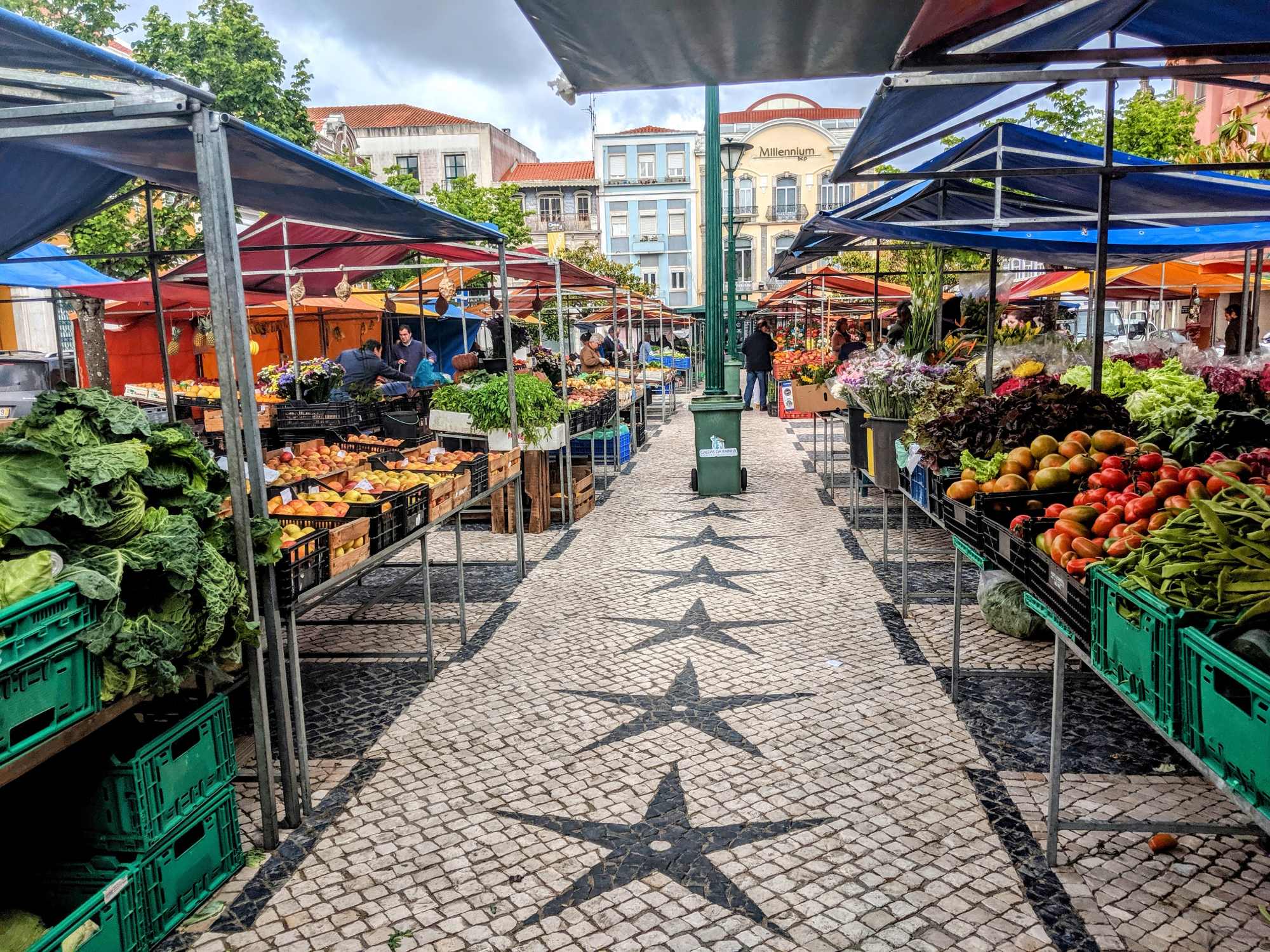
Caldas da Rainha
A medium-sized town north of Lisbon — mix of traditional and modern Portugal, with easy access to Silver Coast beaches.
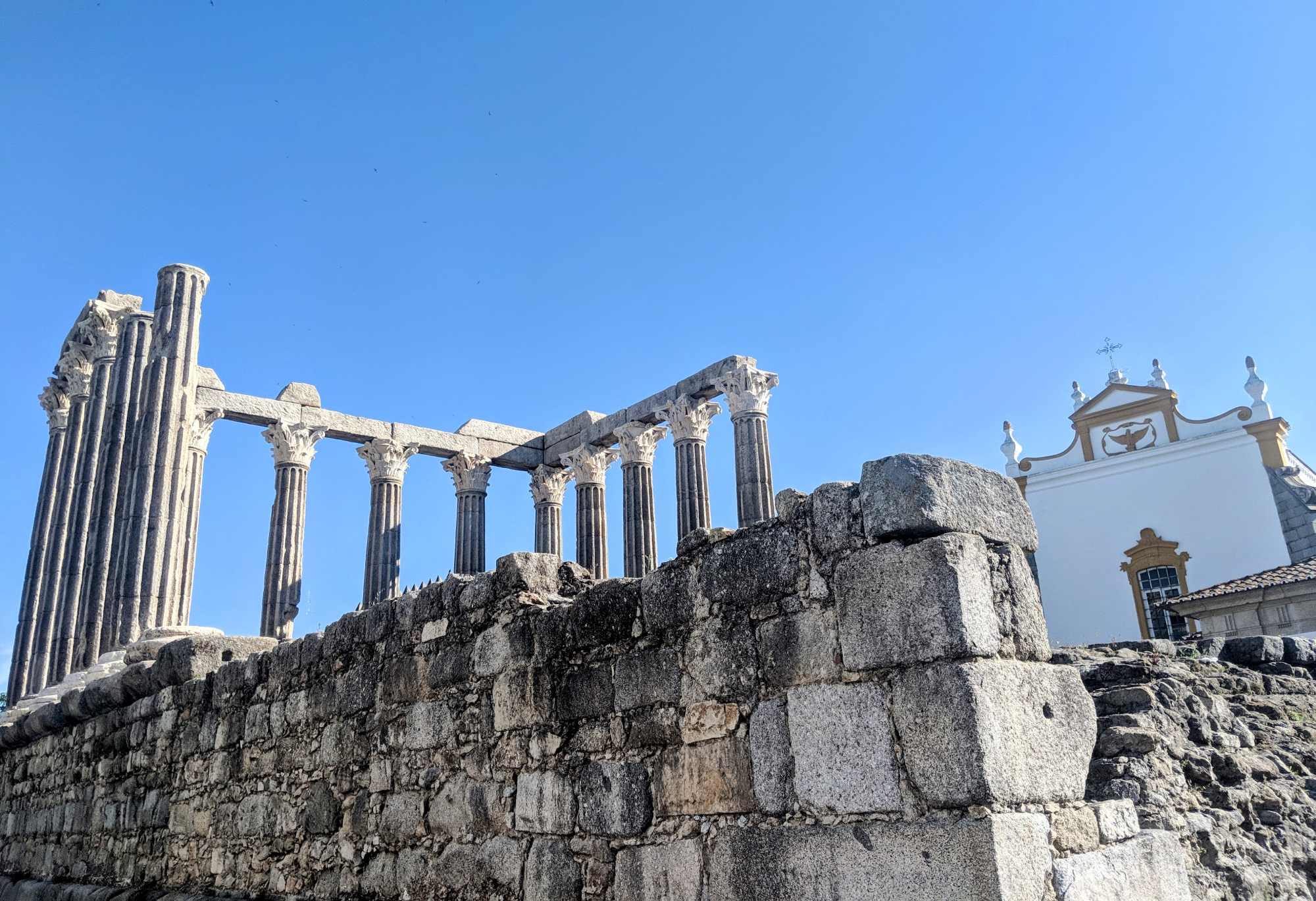
Évora
UNESCO-listed historical town in the Alentejo plains — comparable Moorish-era heritage, equally hot summers, slower pace and a strong wine and food scene.

Lagos
The coastal alternative — bigger expat scene, beaches on the doorstep and more nightlife, but pricier and busier in summer.
Newsletter
Thinking of moving to Portugal?
Visas, places to live, and the real cost of living. No spam, unsubscribe anytime.
 Thinking about Moving to Portugal?