
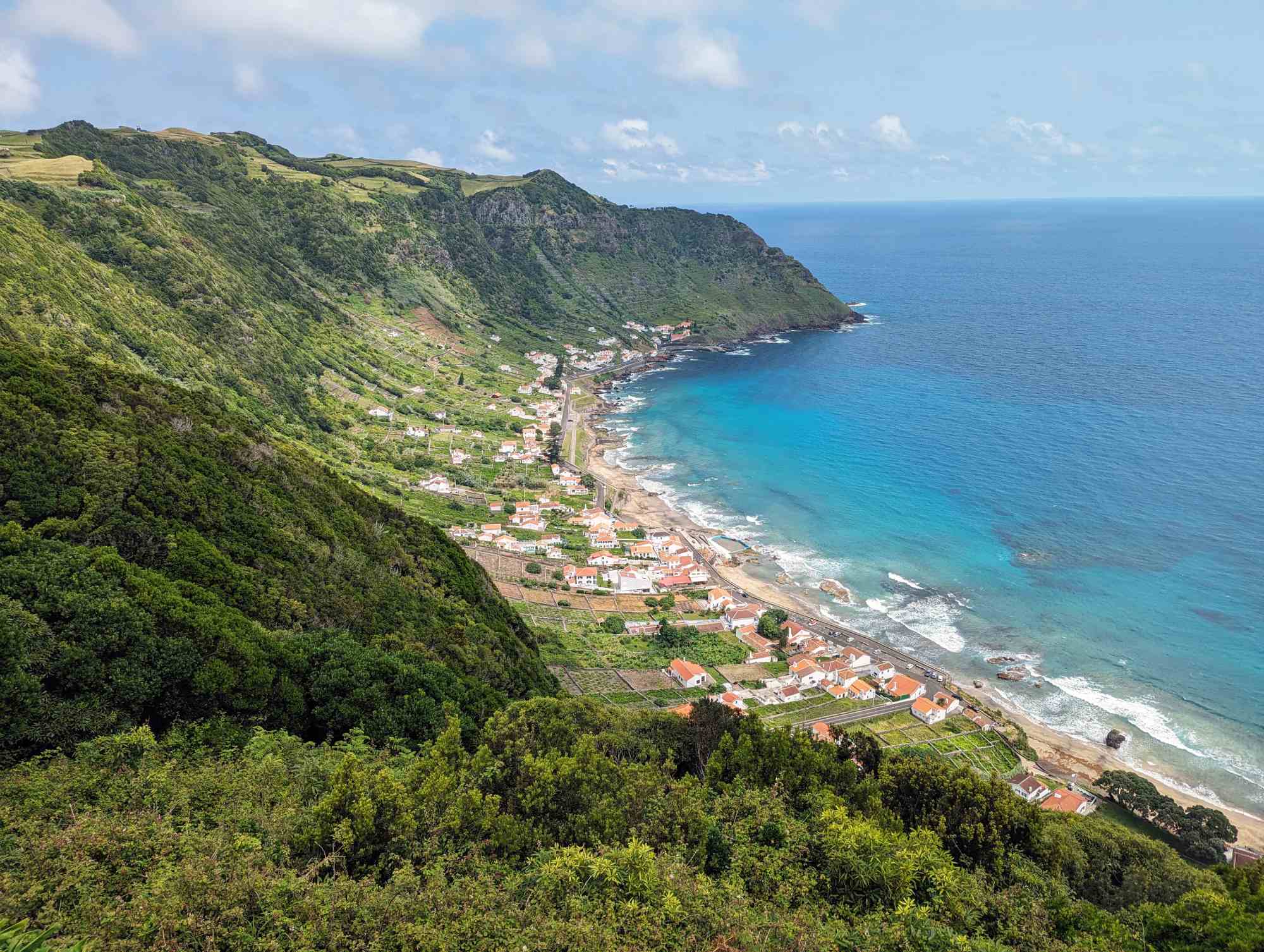
Santa Maria, the “Sunshine Island” of the Azores1, is celebrated for having the archipelago’s warmest, sunniest climate. It’s also the only island with natural golden sand beaches (like Praia Formosa), giving it a Mediterranean feel within this volcanic group.
Covering about 97 km², Santa Maria has roughly 5,400 residents as of 2021 2, mostly in the municipal seat of Vila do Porto and scattered fishing villages like São Pedro and Anjos.
Daily life on Santa Maria is marked by sunlit mornings (often at Praia Formosa), afternoons chatting over fish feasts, and spectacular ocean sunsets.
Compared to nearby São Miguel, it’s much quieter, but it’s more lively and amenities-rich than tiny islands like Corvo or Flores.
I Want to Move to Portugal
Start your journey today and get a free copy of Moving to Portugal Made Simple!
In short, Santa Maria offers a relaxed, beachy lifestyle with a self-sufficient vibe, ideal for those who want Azorean tranquility plus sun and sand.
Quick Take: Is Santa Maria Right for You?
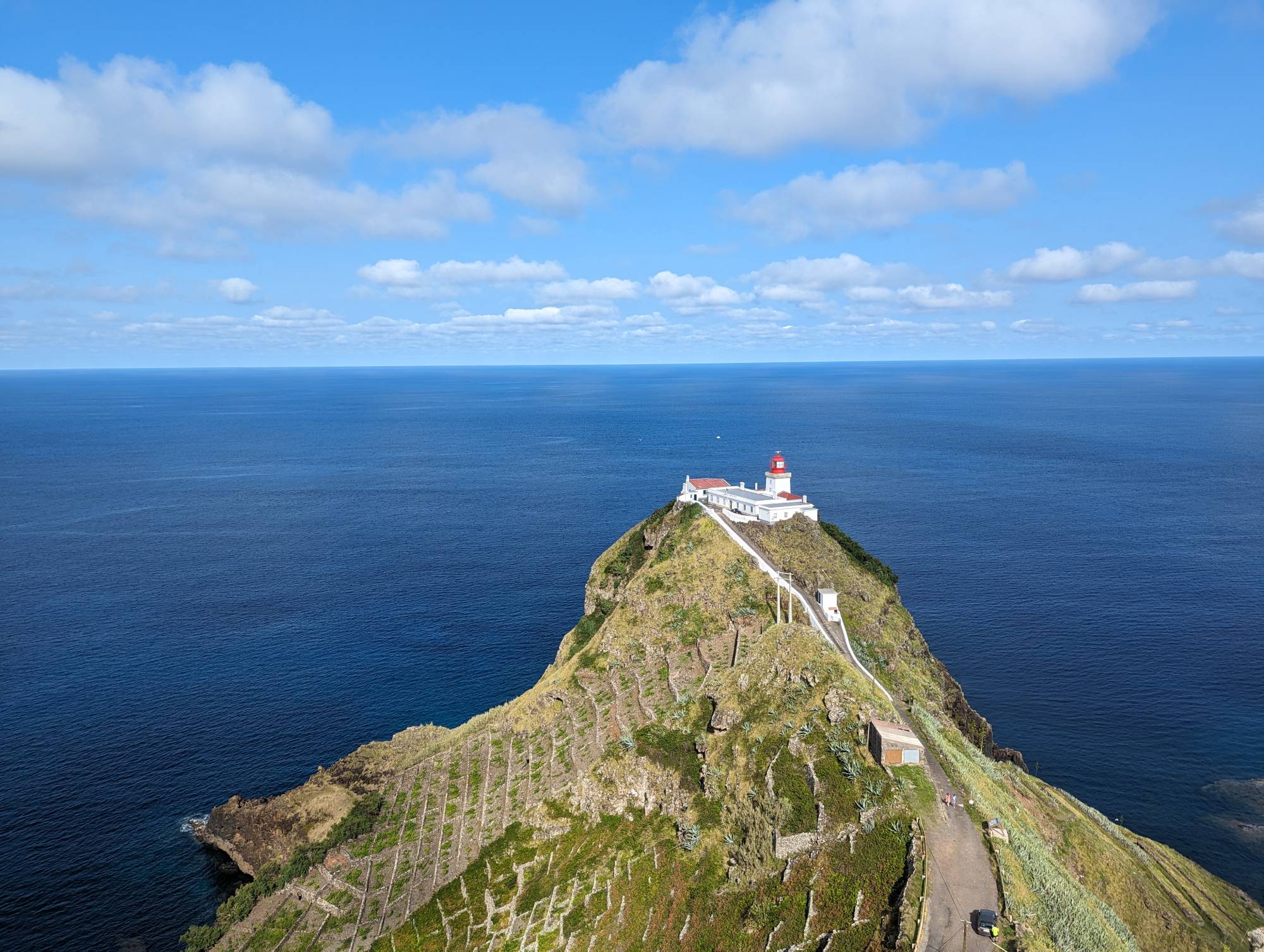
- Sunny & Warm: The island’s climate is notably mild and dry for the Azores. Summers reach mid-20s°C, winters only dip into the mid-teens, and rainfall is lighter than on western islands. You’ll see many clear, hot days (great for beaches and hiking).
- Beaches & Scenery: Santa Maria has the archipelago’s best sandy beaches, white limestone cliffs, and unique red desert (Barreiro da Faneca). Natural highlights include Praia Formosa and the lava pools at Baía dos Anjos. Fossil hunters will love Prainha and Lagoinhas (Pleistocene marine fossils).
- Community: Population ~5.4K, with almost everyone in Vila do Porto or a nearby parish. Locals are friendly, the pace is slow, and life revolves around village and farm life. There’s a small international crowd (especially in Vila do Porto), so English is spoken in cafés and shops, but Portuguese is commonly used.
- Services & Amenities: More infrastructure than smaller Azores islands. Vila do Porto has supermarkets, banks, health centre, and about a dozen eateries/bars. Still, specialty stores are rare; most major purchases (big appliances, high-end shopping) require trips to São Miguel or online orders.
- Connectivity: Daily flights to Ponta Delgada (São Miguel) make travel straightforward (about 30 minutes in the air). Summer ferries link Santa Maria to São Miguel and Terceira (Atlânticoline services) but run only seasonally.
- Ideal For: Beach lovers, active retirees, remote workers, or families who want Azorean culture with sun and simplicity. Less suited for those who need urban bustle, 24/7 amenities, or robust nightlife.
What’s It Like to Live Here Year-Round?
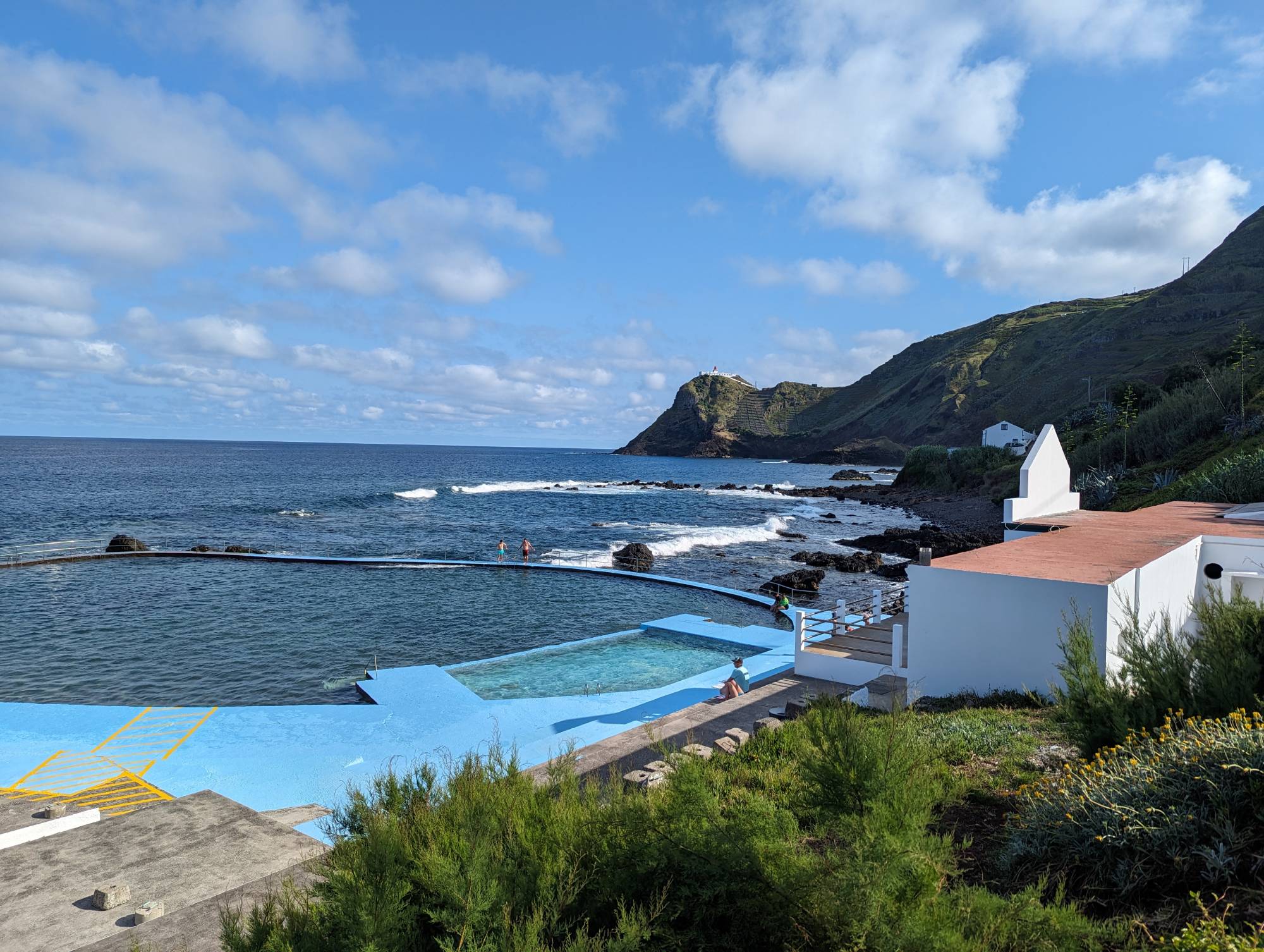
Life on Santa Maria closely follows the sun and sea. Mornings often begin with a swim or surf session3 at Praia Formosa (a stunning wide sandy bay with dunes) before shops open.
Local bakeries and cafés in Vila do Porto fill with residents over coffee and “bolo lêvedo” (local Azorean muffin style bread). Midday is for church lunches of grilled fish or “sopas” (soups), often outdoors in the village square or by the harbor. “Caçoila” (wine-braised pork) is a common weekend meal, echoing Azorean tradition. Evenings bring cool breezes – a perfect time for walks along the ocean promenade or quiet beers at a seaside bar, enjoying long island sunsets.
Seasons change gently. Winters are mild (average highs ~16°C, lows ~13°C) with occasional rain, but rarely freezing. Spring and fall see everyday outdoor life, while summer (July–September) can be hot (highs ~25–28°C) and dry – ideal for beaching or hiking the many trails (like the loop around Pico Alto). One unique feature is the Barrero da Faneca, a Mars-like red clay stretch created by the last eruptions on the island – a popular short hike.
Santa Maria’s size means you can explore much of the island easily: a morning could take you from banana groves in São Lourenço to tidal pools at Baía dos Anjos (site of Columbus’s chapel). Despite being remote, life has enough buzz: there are several community events (religious festas, market days) and growing tourism, so you won’t feel completely cut off. All in all, residents describe Santa Maria as peaceful and sunny – like a permanent Mediterranean vacation spot.
Best Towns and Areas to Live
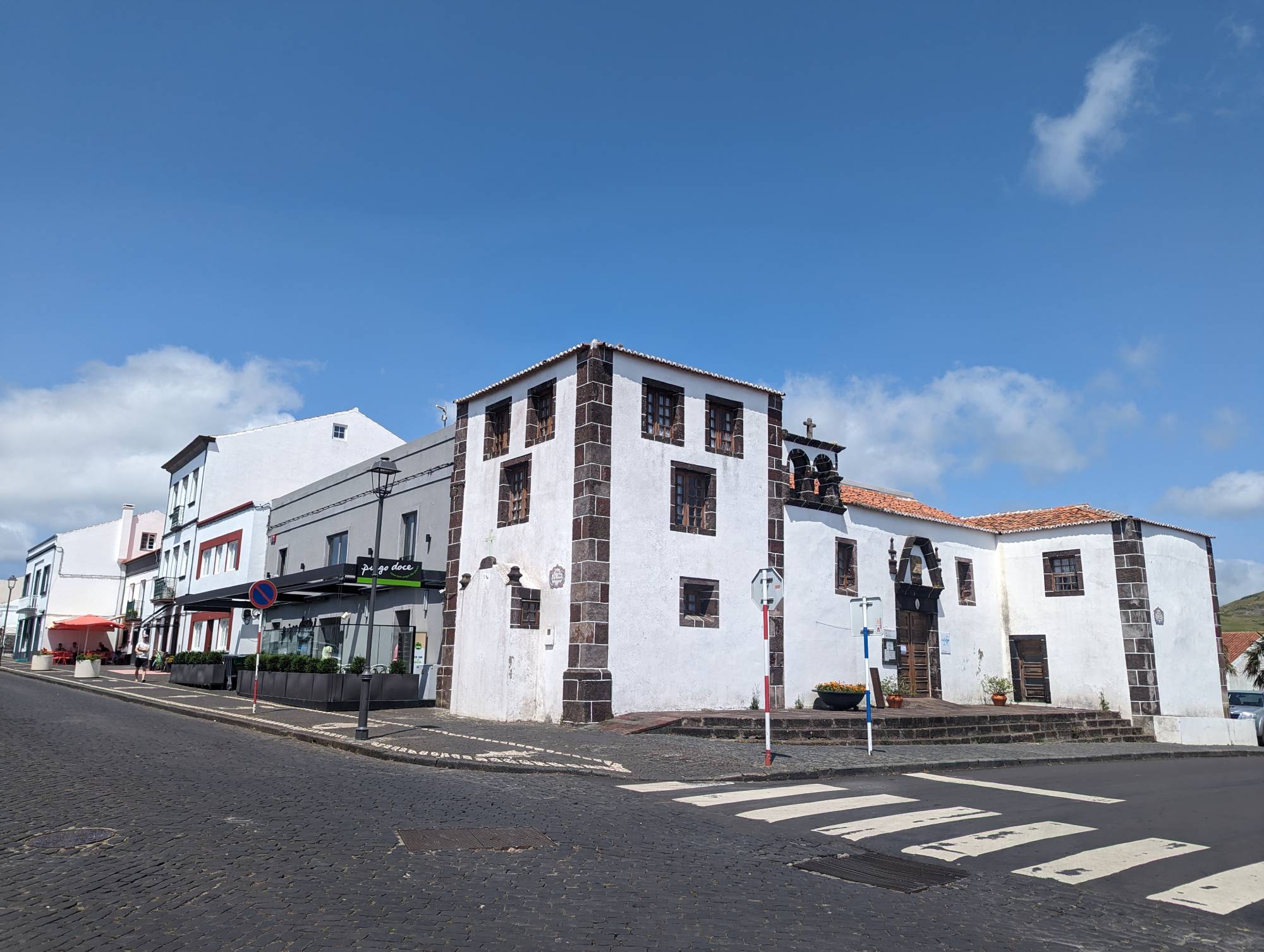
- Vila do Porto: This is the island’s capital and largest town (≈3,000 residents). It hosts most services: the airport, grocery stores like Pingo Doce and Continente Bom Dia, banks, hospital centre, and the main ferry berth.
- Prainha (São Pedro): Just west of Vila, Prainha is a small village with some cafes and vacation homes. It’s by a white sandy bay (Prainha Beach) and is very popular in summer. It has a slightly more “resort” feel but with local charm.
- Baía dos Anjos (Santa Bárbara): A tiny cluster at the northeast coast where the volcanic pools form natural swimming holes. Very tranquil – few shops, but unique scenery (and the historic chapel of Anjos). Best for someone seeking solitude and natural beauty.
- Ribeira do Maloás / Maia Bay: Small fishing villages on the north shore, known for fossil-rich rock formations and two small beaches. Highly remote – there are virtually no shops or services here, just a few scattered farmhouses. Choose this if you want to be off-grid and love nature.
- Inland Farmland: Some expats have moved to rural houses inland (parishes like Almagreira or Santo Espírito), enjoying large plots of farmland or vineyards. These areas are very quiet and cool (near Pico Alto), but each trip requires a drive.
In summary, Vila do Porto is best if you want convenience and community; the fringe villages and countryside offer serenity and land. All island destinations are within ~30 minutes by car, so daily life is flexible once you have transport.
Renting & Buying Property
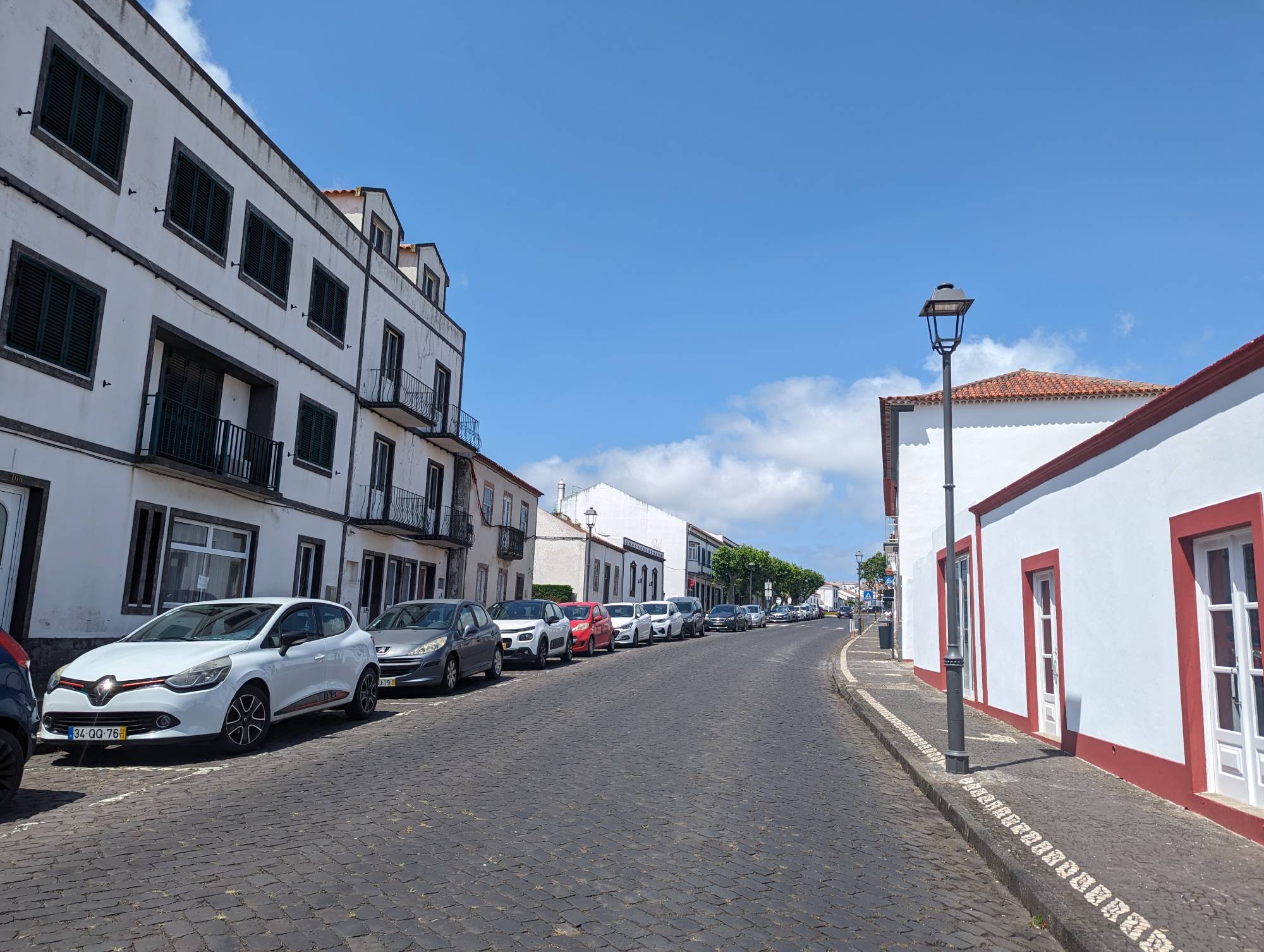
Santa Maria’s real estate market is small but fairly active. Both local Azoreans and a few foreign buyers are interested, so properties don’t linger long.
- Buying: There are a range of properties for sale on Santa Maria — mainly older ruins and plots, but some newer or newly-renovated properties as well. As with all islands in the Azores, housing stock is limited.
- Renting: Rentals are even harder to come by and may require you to go to Santa Maria to check notice boards or speak with locals.
Many property sales in the Azores happen off-market as the properties aren’t publicly advertised. It’s a good idea to work with an Azorean estate agent or buyer’s agent to find properties that aren’t listed on sites like Idealista or Imovirtual.
Cost of Living
Santa Maria is reasonably affordable. The supermarkets can be more expensive than those on São Miguel or Terceira for some items, and there’s typically less selection available. Many restaurants cater to tourists, so prices can be slightly higher here.
Many items will be to be imported or bought online. Be aware that it can be challenging to get companies from outside of Portugal to deliver to the Azores.
Attractions

Praia Formosa: This is Santa Maria’s signature beach – a broad sweep of pale sand backed by rolling dunes. Praia Formosa is famed as the Azores’ first official bathing beach, and it hosts the annual Maré de Agosto music festival. The waters are clear and warm (excellent for swimming and bodyboarding), and amenities (parking, snack bar, showers) make it family-friendly. The dunes and adjacent sand-dune “desert” (Barreiro da Faneca) give it a semi-exotic feel.
Baía dos Anjos: On the northern coast just beyond Vila do Porto, this rocky bay has natural lava pools that form tide-fed swimming holes. It’s perfect for safe paddling (even kids) with an ocean view. A small chapel here marks the spot where Christopher Columbus reputedly attended mass on his 1493 return voyage, adding historical charm to the seaside scenery. The pools’ black basalt rim contrasts beautifully with the blue-green water.
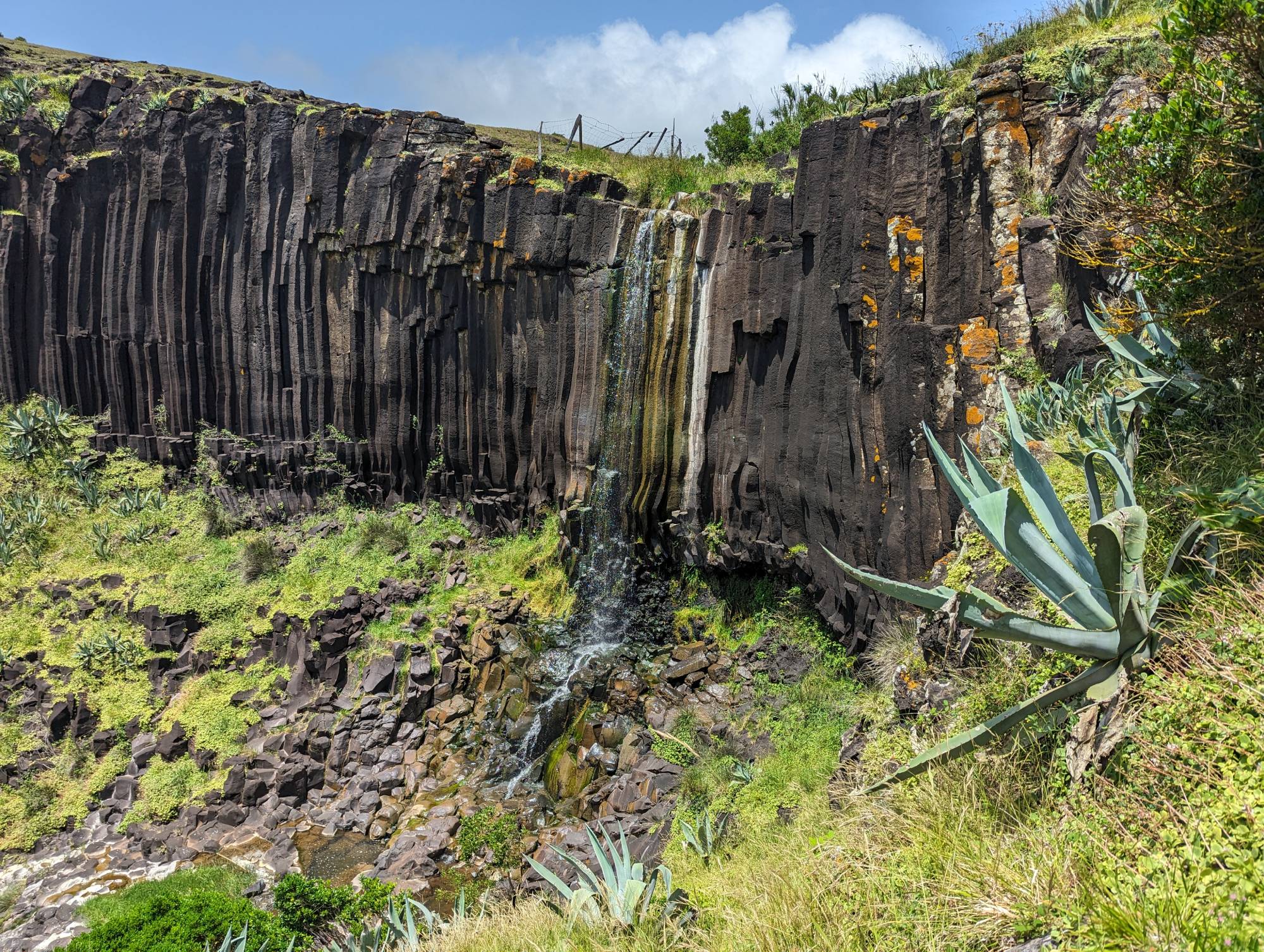
Pedras do Porto: Near the north coast, you’ll find striking columnar basalt rock formations resembling giant honeycombs or basalt “honeycombs.” These sculptural cliffs are a favorite for photographers and hikers – you can climb among the columns and also find ancient fossils of 5-million-year-old sea life embedded in the limestone here (Santa Maria is geologically unique in the Azores).
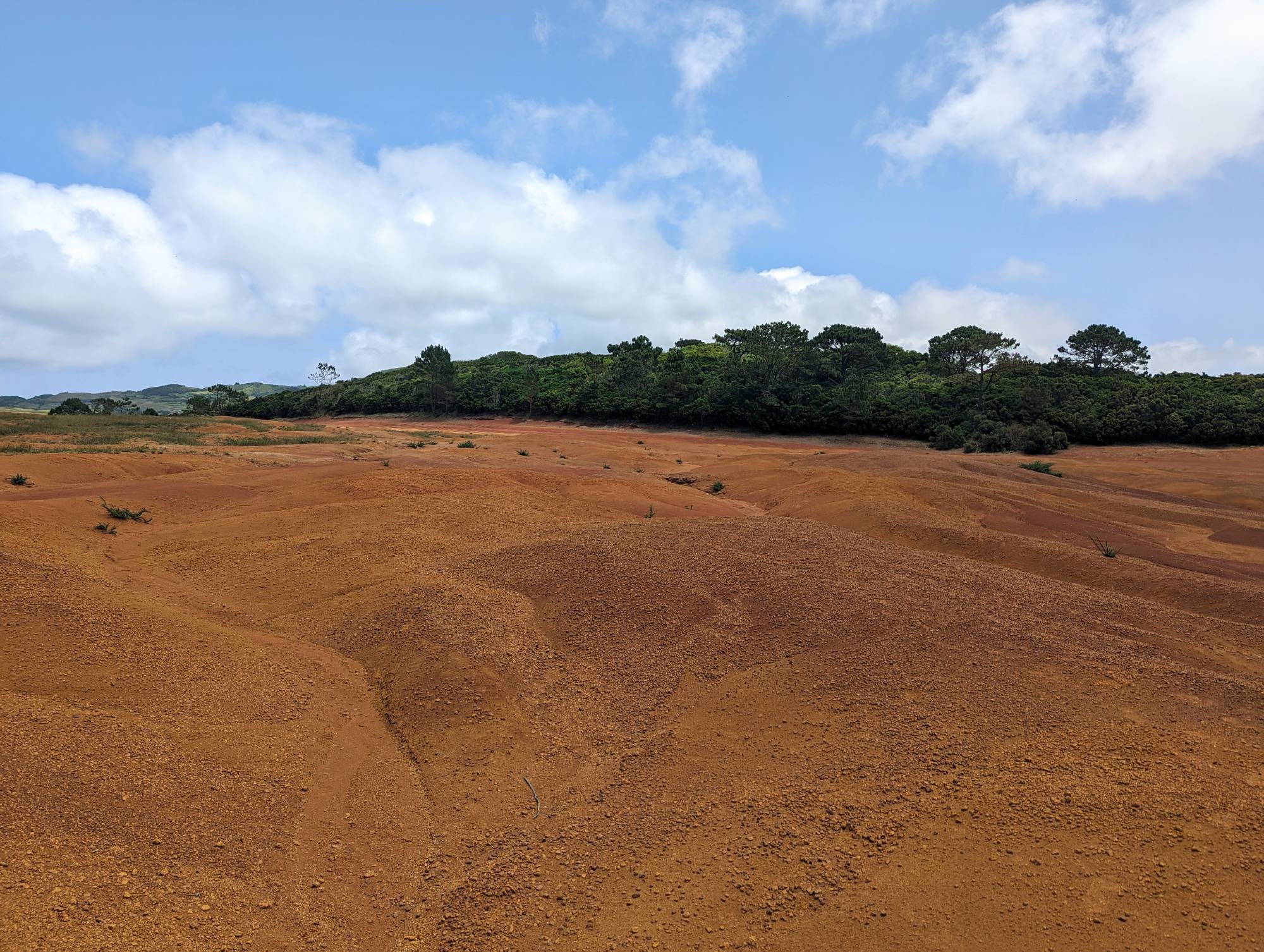
Barreiro da Faneca: Not exactly an “attraction” listed, but this is Santa Maria’s red earth desert. The clay soil (from old volcanic ash) forms dunes that look like a mini Grand Canyon. A short nature trail leads through it. It’s an unusual sight in the Azores and great for a quick hike at sunset.
Pico Alto: The island’s high point (590 m) offers sweeping views of Santa Maria’s patchwork valleys and the Atlantic. It’s a moderate hike (or a short off-road drive). On clear days, you can see São Miguel in the distance.
These spots (and others like O Porto beach or the wineyards in São Lourenço) keep islanders busy during weekends and bring in a few tourists. Still, you can generally enjoy them without crowds – even summer weekdays are mostly locals.
Expat Life
Santa Maria has a small but growing international community. Estimates put foreign residents at ~1–2% of the population (several dozen people), including Germans, Dutch, Poles, Canadians and Americans. Many of the long-term foreigners are involved in tourism (running small pousadas or dive shops) or are retirees enjoying the sun.
Vila do Porto is the hub for expats. Here you’ll find the island’s only tourism office, a couple of English-friendly cafes and restaurants, and a dive center. English signage and menus are not uncommon. There are occasional get-togethers (often advertised via Facebook groups like “Expats in Azores”) for potlucks or language exchange.
On the whole, Santa Maria expats say that integration is easy: locals are friendly, and the expat population mixes readily. That said, the isolation means it’s a committed community – if you need fellow foreigners nearby, Santa Maria will feel small.
Compared to a place like São Miguel, expect far fewer fellow English speakers. However, the trade-off is deep immersion in Azorean culture, plus lots of sun.
Retiring Here
With its low cost of living, mild climate, and peaceful lifestyle, Santa Maria is appealing for retirees. Key points:
- Healthcare: There is a public health center (Centro de Saúde) with general practitioners, a lab, and emergency care facilities in Vila do Porto. It offers basic services and pharmacy. For specialized or serious care (e.g. surgery), patients usually fly to São Miguel, which has hospitals.
- Housing: Affordable homes and rents mean a moderate pension can go far. Many retiree properties have terraces or gardens. Isla’s flat layout also suits mobility devices.
- Activities: Retirees can enjoy daily beach walks, gardening, local choir/music groups, or volunteering (schools, church events). Temperatures rarely get extreme, so year-round outdoor hobbies (petanque, bocce, hiking) are feasible.
- Community: A slower pace and friendly locals mean older newcomers often feel at home. There is a small retiree contingent from northern Europe who sometimes meet up socially. Basic Portuguese helps a lot – many old-timers are not fluent in English.
- Considerations: Being on a small island means giving up quick access to big-city specialists, although the beauty and tranquility are a big plus. One retired American couple noted that Santa Maria feels like “living in a small Hawaiian beach town” in Atlantic Europe.
Upsides & Downsides of Living Here
Pros:
- Sun and Beach: Santa Maria has the best weather in Portugal’s Azores region. You get warm winters and beautiful beaches right at your doorstep (Praia Formosa, Anjos, etc.).
- Community: A genuine sense of community and safety. Crime is virtually nonexistent. People look out for each other. This is the kind of place where shopkeepers will greet you by name after a few months.
- Nature & Diversions: The island offers hiking, diving (shipwrecks around Anjos), fishing, and geology (fossil hunting) aplenty. Nature here is abundant and easy to access – e.g. your backyard might overlook a craggy bay or sugarcane field.
- Settled Infrastructure: For a small island, Santa Maria has surprisingly good infrastructure – reliable electricity (no roll-overs like in some Azores), cell/internet coverage in town, and a good bus service.
Cons:
- Isolation: Even with daily flights to São Miguel, being far from big hospitals or flights to continents can be inconvenient. Weather can occasionally disrupt the schedule.
- Limited Entertainment and Jobs: Cultural and entertainment options are limited. Nightlife is low-key – you might have one bar with live music in Vila. Employment outside tourism/farming is scarce; younger locals often move away for work.
- Insularity: Close-knit community means everyone knows your business.
- Small Town Frustrations: Some expats mention slow bureaucracy and that services sometimes close early or over lunchtime. Even as a resident, ordering something special (like a particular model TV or foreign book) can be a months-long wait.
- Weather Trade-off: While sunny, the trade-off is some evenings can be windy (the island is quite open to Atlantic winds) and the air is humid (~80%), which might be uncomfortable for those with respiratory issues.
Climate
Santa Maria’s climate is warm and temperate oceanic.
Key points:
- Temperature: Average annual temperatures range between 15–22°C (59–72°F). Winter daytime highs are typically 14–17°C (57–63°F), rarely below 10°C. Summer highs are around 23–28°C (73–82°F), often touching 30°C on the hottest days. Nights in summer stay around 18–20°C.
- Rainfall: Santa Maria is one of the driest Azores islands. Rain falls mainly from October through April. July is nearly rainless (average ~5 mm); November/December might see 60–70 mm in total (much lower than Flores’ ~137mm/month). On a good year, you might see blue skies up to 70% of the time.
- Wind: Trade winds from the northeast prevail, giving Santa Maria a moderate breeze. It rarely experiences the gale-force winds seen on Pico or Corvo.
- Sunshine: As “Sunshine Island,” Santa Maria often enjoys about 2,000 hours of sun per year. Summer days are long and reliably sunny. Winter days are shorter but still mild and not as overcast as on other Azores islands.
Will I Need to Learn Portuguese?
English is moderately spoken in Santa Maria, especially in the tourism sector (Vila do Porto cafes, hotels, dive shops). However, Portuguese is essential for fully integrating into community life. You’ll find that trying Portuguese goes a long way on Santa Maria. Locals appreciate when you use even basic phrases, and it opens doors to deeper connections (e.g. chatting with elderly neighbors or following local news).
Official business (banking, government, medical appointments) will be in Portuguese. If you plan on permanent residency or citizenship, Portuguese is required (A2 exam for citizenship). In practice, expats often pick up enough to get by within a few years.
Schools
Santa Maria has no international school. Education is via the Portuguese public system:
- Escola Básica e Secundária de Santa Maria: This state school in Vila do Porto serves ages 6–18 (primary through secondary). Schooling is entirely in Portuguese, following the national curriculum.
- Quality: The school provides basic, solid education. Small schools on islands can mean some multi-age classes and fewer subject options (e.g. limited foreign languages beyond English). There are no IB or bilingual programs on the island.
- Preschool and Kindergarten: There is at least one public kindergarten in Vila (for ages 3–5) and pre-school facilities.
- Special programs: Limited. Extracurriculars exist (sports teams, music lessons), but anything specialized (like competitive academics or arts) usually requires going off-island.
- Further Education: For college or university, students typically go to larger islands or the mainland. Some families homeschool.
Getting Around
Santa Maria is small and relatively flat, but public transit is minimal:
- Car: A car is most than useful — it is generally considered essential in the Azores.
- Bus: The local bus operator (TSM) runs a handful of lines connecting Vila do Porto, Prainha, Anjos and a few villages. Fares are about €2–€4 per ride. With an app and easy to use website, this makes Santa Maria one of the best islands for those wanting to reply on public transport.
- Taxis: There are a few taxis based in Vila do Porto. Booking by phone is recommended.
- Walking/Cycling: Within Vila do Porto, everything is within 10–15 minutes on foot. The seaside promenade is great for walking or biking. Island topography is gentle, so bicycles are a good option in summer.
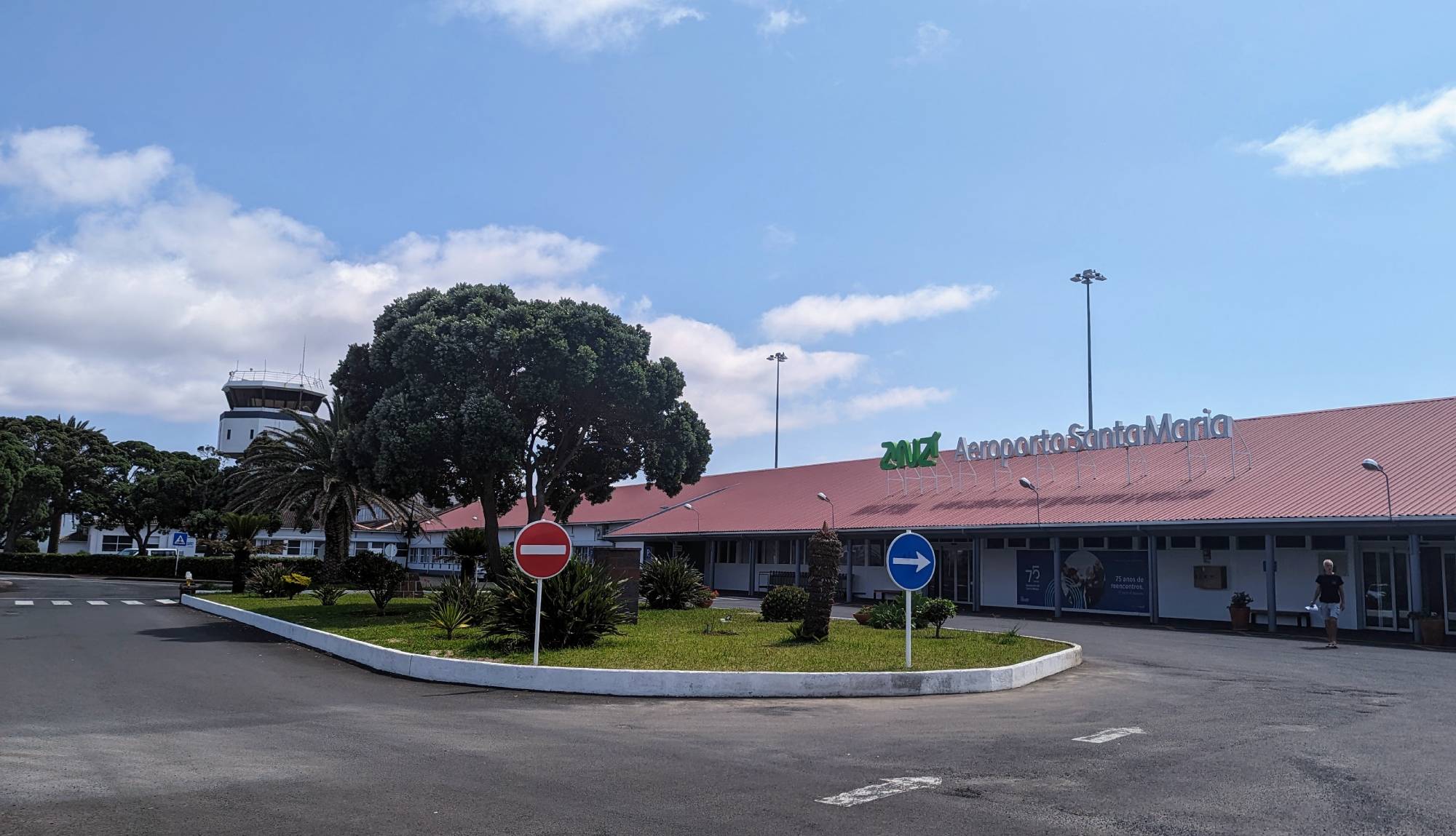
- Flights: Daily flights link Santa Maria (SMA) to Ponta Delgada (São Miguel) with Azores Airlines. The flight is only about 30 minutes. There are also some non-stop flights between Santa Maria and Lisbon.
- Ferries: The Atlânticoline ferry used to run between Santa Maria (Vila do Porto) and São Miguel, but this route now appears to have been discontinued, with no current sailings between the two islands.
For island life, most people combine a car for local errands and occasional flights for getting to the nearest big island (São Miguel) or the mainland.
Similar Locations
If Santa Maria’s sandy beaches and sun appeal to you, consider:
- Porto Santo (near Madeira): A small island (11 km long) with golden beaches, warm climate year-round, and a close-knit community. A Portuguese island vibe with some sunshine bonus.
Alternatively, take a look at islands like Faial, Pico, and Graciosa for similarly-sized Azores islands. Faial and Pico have the added benefit of being within a 30-minute ferry ride of each other, making it easy to explore both islands.
These places each share aspects of climate, size, or atmosphere that Santa Maria has – but none matches its exact combination of Portuguese Azorean culture with sun-and-sand.
Final Verdict: Who Should Move to Santa Maria?
Santa Maria is perfect if you crave sunny, island life with an Azorean twist.
It’s not for those who need big-city culture, nightlife every weekend, or quick access to international airports. You’ll have to adjust to ferry/flight schedules and very local living. If you want the Azores and love the idea of sandy beaches, warm seas, and a friendly village vibe, Santa Maria can be your home away from home.
Footnotes & Sources
- https://www.visitportugal.com/en/node/195674
- https://en.wikipedia.org/wiki/Santa_Maria_Island
- While Santa Maria isn’t the world’s best surf destination, it is one of the best locations on the Azores for surfing: https://monk.pt/blogs/santa-maria-our-island/surfing-in-santa-maria