


São Jorge sits in the Central Group of Azores, but it feels very different from mainland life: long, narrow, steep, and built around coastal “fajãs” (flat tongues of land at the base of cliffs). The island’s population is about 8,373 (2021)1, split mainly between the municipalities of Velas (around 4,936) and Calheta (around 3,437).
What makes São Jorge “feel” unique in the archipelago is the combination of vertical geography and small-scale settlement: villages sit on the ridge and along the coast, and some fajãs feel like mini-worlds of their own. In 2016, the island was recognized as the Fajãs de São Jorge Biosphere Reserve, a designation associated with UNESCO2, covering the whole island and nearby marine area—essentially a formal “this landscape matters” stamp that helps explain why development feels intentionally restrained.
Tourism exists, but it’s not a mass-tourism island. The visitors you notice most tend to be hikers (and in summer, island-hoppers doing the “Triangle” loop), while the rest of the year feels deeply local and quiet. São Jorge typically suits people who want dramatic nature and privacy, and who are comfortable trading convenience for a slower, smaller, weather-led life.
Quick take: Is São Jorge right for you?
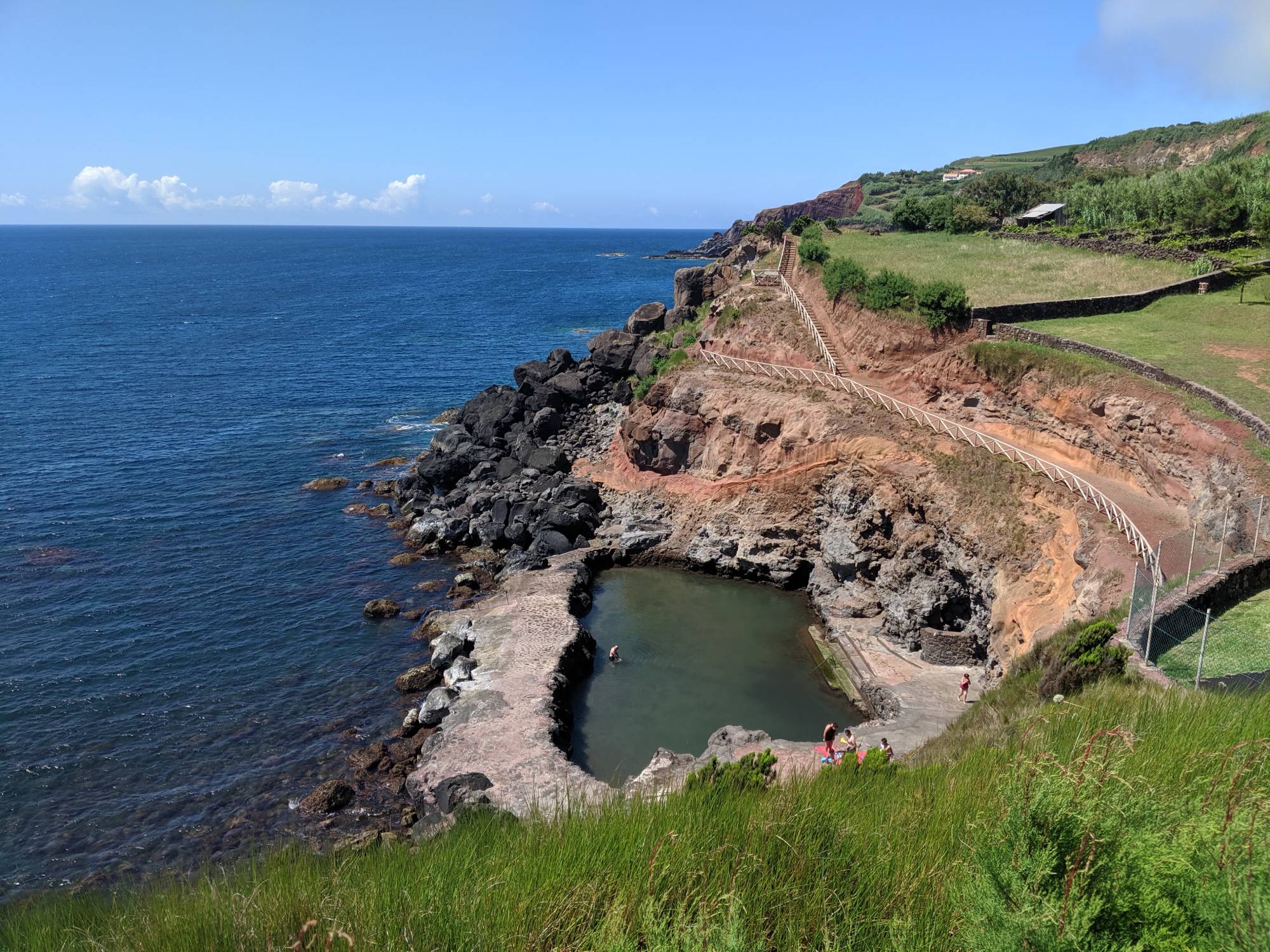
You’ll probably love it if… you want an outdoors-first life (cliff walks, coastal swims, viewpoints, and iconic fajã descents), you’re fine with a tiny social scene, and you genuinely enjoy living somewhere where “the island” comes first and everything else is planned around weather and logistics.
You’ll probably struggle if… you need city amenities, lots of choice (restaurants, nightlife, shopping), fast access to specialists in healthcare, or frequent spontaneous travel.
Quick facts that matter for relocation
- Population: ~8,373 (2021) 3
- Main bases: Velas and Calheta.
- Big differentiator: fajãs (dozens of them; the island’s signature). And cheese – the famous São Jorge cheese.
- Reality check: some places are intentionally low-infrastructure—most famously Fajã da Caldeira de Santo Cristo, described as having no mains electricity/internet and no proper roads, with hike access. However, these are not the norm here.
What’s it like to live here year-round?
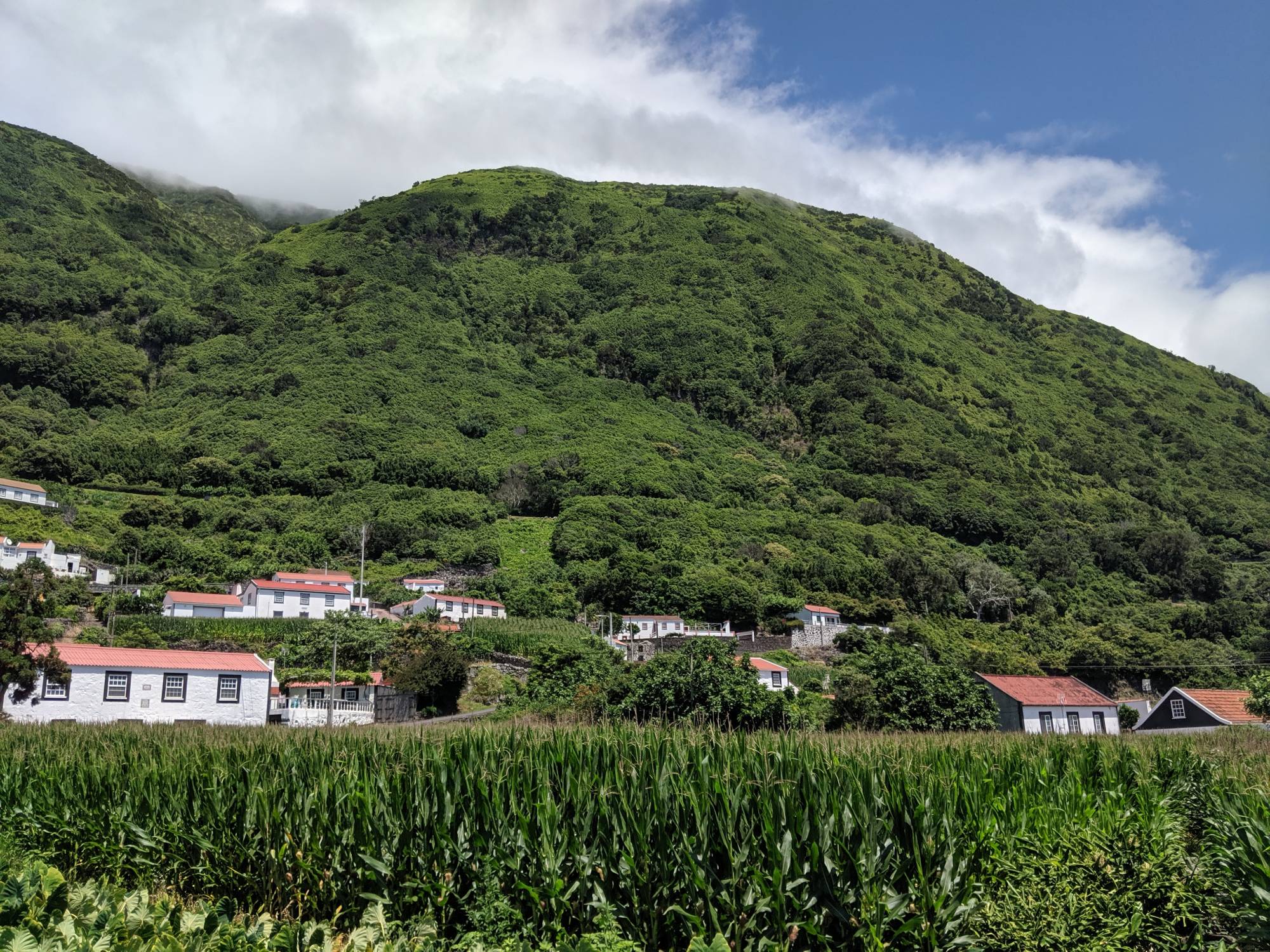
Year-round life on São Jorge is best described as small, nature-led, and community-shaped. Even if you work online, you still end up living by island rhythms: weather fronts, ferry days, school calendars, and the handful of peak-season weeks when the island feels “busy.” In practice, you’ll do fewer errands, but you’ll plan them more carefully—especially if you need specific supplies, services, or paperwork support that might only exist on the larger islands.
The island’s layout—long and skinny, built around a central ridge with steep coastal drops—creates micro-lifestyles. Some people prioritize being near the main administrative services and ports; others choose “prettier and quieter” and accept longer drives and fewer conveniences.
If you’re moving from Lisbon or Porto expectations, it helps to reframe convenience: on São Jorge, “everything is close” in distance, but not always in availability (or opening hours).
Work is the other big year-round differentiator. Across the Azores, the local job market is limited outside core sectors and remote work; for smaller islands like São Jorge, that constraint becomes sharper.
São Jorge is a stronger fit for retirees, remote workers, people with portable income, or people intentionally building small tourism/agriculture-adjacent projects—rather than someone arriving and expecting broad local employment options.
Best towns and areas to live
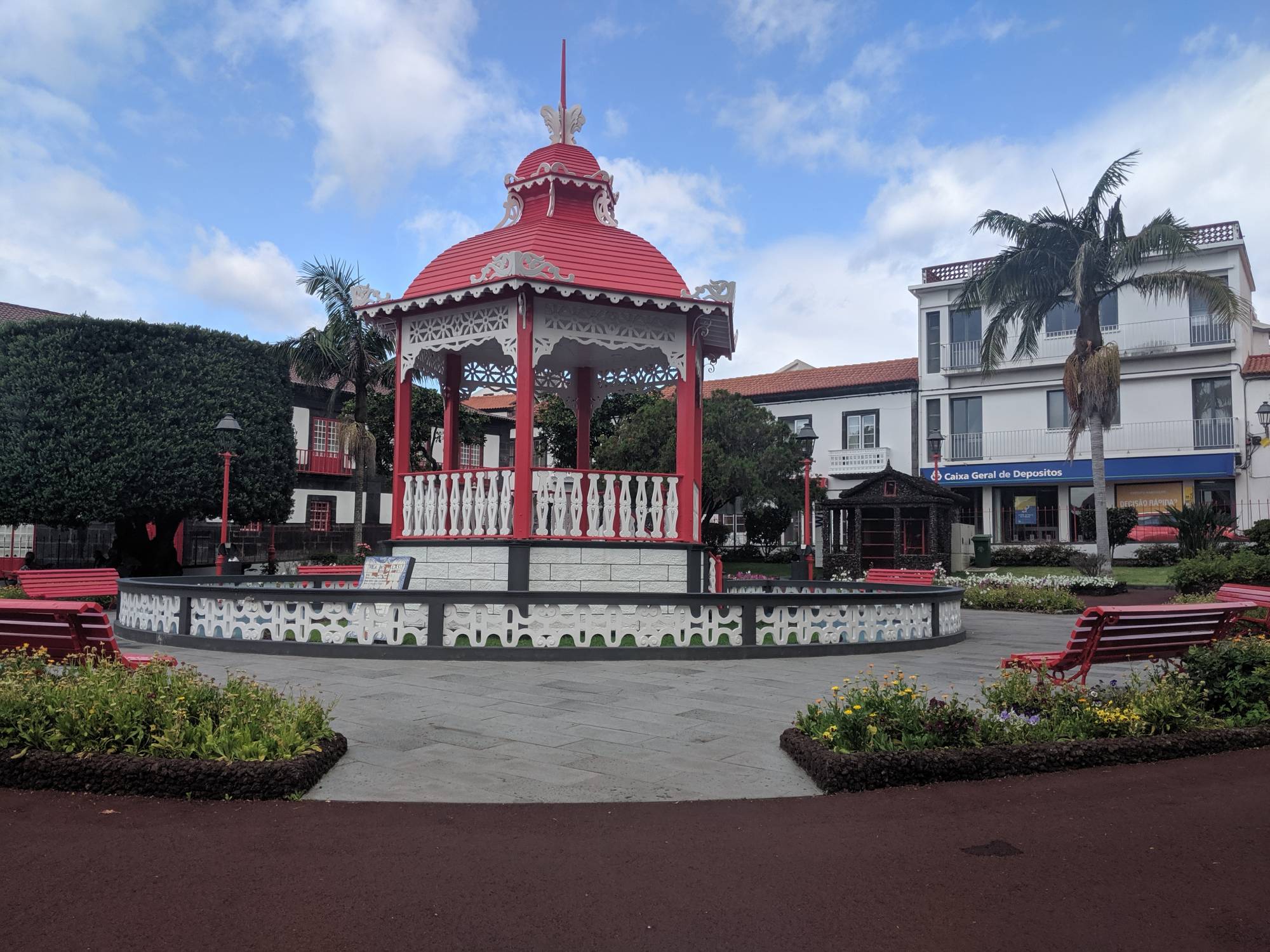
If you’re picking a first base, start by asking: “Do I need day-to-day convenience, or do I want the most beautiful setting?” Most newcomers do best by starting near the practical hubs, then exploring the island slowly.
Velas (west / the main hub)
Velas is generally treated as the island’s main town and main port, and it’s where you’ll most consistently find everyday services and the “normal life” infrastructure a newcomer relies on. It’s also a natural base for island-hopping because it’s tied into the Triangle ferry network, and it’s positioned to reach multiple parts of the island by car without feeling like you live at one extreme.
Calheta (east / quieter, still practical)
Calheta is smaller and can feel more “local village” than “hub,” but it still offers essential services and is a legitimate year-round base—especially if you value quiet and don’t need as much day-to-day variety. It also benefits from summer-season ferry connections that expand around the Central Group, which can matter if you’re planning frequent inter-island movement.
Ridge villages and mid-island parishes (good compromise zones)
Areas between the two municipal centers can offer a calmer, more rural setting while keeping drive times reasonable. This is often the “best of both worlds” choice if you’re staying long-term and want space, views, and quiet without becoming logistically stranded.
Fajã living (beautiful, but not beginner-friendly)
Fajãs are the island’s magic trick—but they’re also where the practical downsides concentrate: steeper access roads (or hiking-only access), higher exposure to rockfall/landslide issues in some areas, and more infrastructure variability.
If you want the “postcard” lifestyle, look at places such as Fajã dos Vimes (often noted for its distinctive microclimate and traditional coffee cultivation) or Fajã dos Cubres, but treat them as step-two decisions after you’ve experienced winter and the logistics of deliveries, medical needs, and transport.
Buying & Renting Property
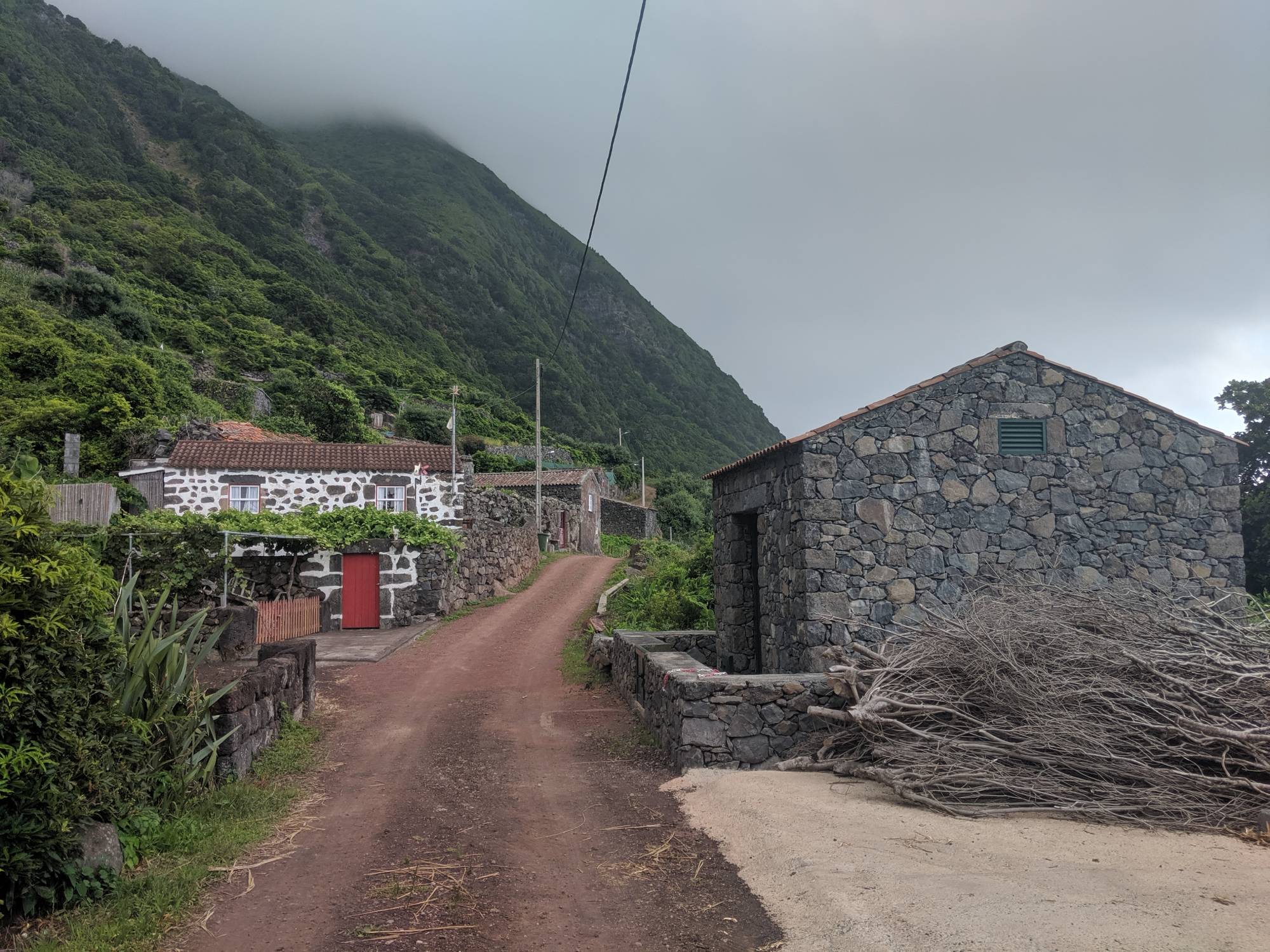
- Buying: Surprisingly, given its size, there are a reasonable number of properties for sale on São Jorge. As with all Azores islands, you’ll find a lot of properties in need or renovation and a lot of plots of land for sale. However, given that the island isn’t as popular with expats or tourists, there is a better likelihood of finding a bargain here compared to some of the more popular islands.
- Renting: Rentals, as with most other islands, are hard to come by. While some get listed on Idealista or Facebook groups, you may need to come to São Jorge to try to find a rental locally.
Cost of living
São Jorge tends to follow the Azores pattern: many everyday costs can feel gentler than Lisbon/Porto, but “island friction” shows up through travel costs, slower shipping, and premiums on some imported goods.
São Jorge is one of the cheaper Azorean islands for housing, but the lack of a major supermarket on the island can affect the cost of groceries. Other islands, like São Miguel or Terceira, for example, typically have a supermarket like Continente or Pingo Doce.
If you’re the kind of person who eats simply, buys local, and doesn’t need constant retail therapy, your day-to-day spend can be relatively contained; if you rely on niche products and frequent flights, costs climb quickly.
Expat life
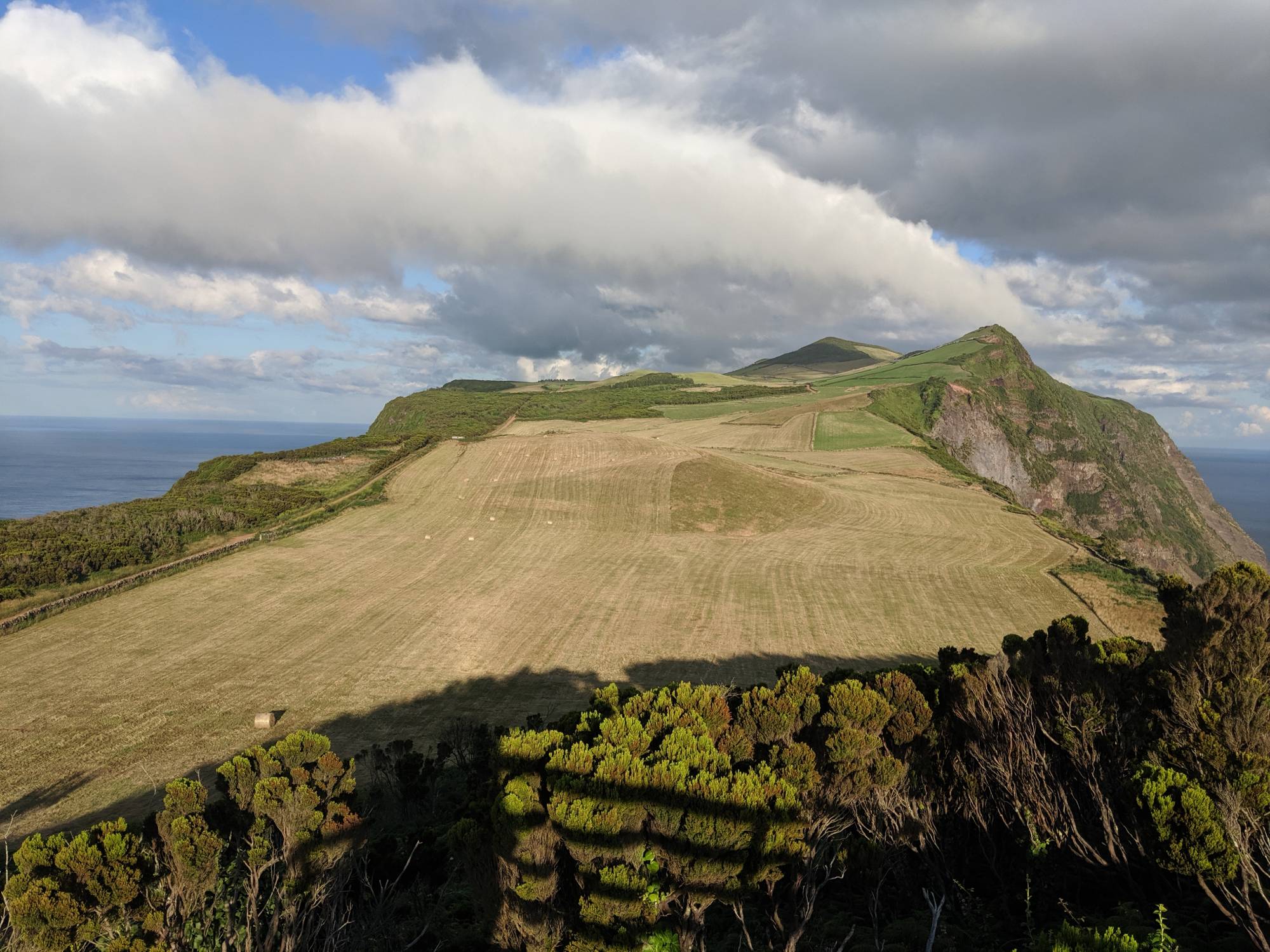
São Jorge is not an expat hub in the way parts of São Miguel can be, and that’s part of its appeal. On São Jorge, you’ll likely meet other foreigners through hiking/outdoors, seasonal tourism, or personal networks—rather than big formal meetup scenes. If you want to meet other expats, you’ll either need to bump into them or find them on Facebook groups like Expats in Azores.
Community life is “small island” in the literal sense: people notice new faces, relationships form through repeated everyday contact, and trust builds slower but often deeper. If you value privacy, the island can be wonderfully quiet, but “privacy” isn’t the same as “anonymity”—you should expect that your comings and goings are visible in a way they aren’t in a city.
Language matters more here than on more touristy islands. While you’ll find English around tourism and some services, the moment you deal with bureaucracy, healthcare, or school systems, Portuguese becomes important.
If you’re serious about settling long-term, basic conversational Portuguese is one of the highest-ROI investments you can make because it directly affects your ability to solve problems, build community ties, and feel at home during the long winter stretches.
Healthcare
Healthcare is a make-or-break topic for many people considering São Jorge. Like many Azores islands, this is an island without a hospital, meaning higher-complexity needs can require transfer to larger islands (or onward).
What you do have is a real on-island system for day-to-day care and urgent first response—anchored by the health centers, including Centro de Saúde de Velas, which is described as providing general/family medicine and a “Serviço de Atendimento Permanente” (urgent care function).
A 2023 report 4 on the rehabilitation of the Velas health center describes a €3.5 million project, including functional reorganization of emergency, inpatient care, and the clinical analysis laboratory—an important indicator that authorities are investing in improving capacity and conditions.
It describes a health-center-with-inpatient model where staff stabilize patients and coordinate transfers by air or sea to referral units, emphasizing how limited resources shape care delivery on small islands. It also notes that, at the time of writing, inpatient capacity was small (a handful of beds, plus observation beds), underscoring why residents often plan around the need to leave the island for certain diagnostics or specialist care.
Schools
Education on São Jorge is structured, but the menu is naturally smaller than on bigger islands. There are three main schools on the island: Escola Básica e Secundária de Velas, Escola Básica e Secundária da Calheta, and Escola Básica Integrada da Vila do Topo.
For expat families, the key practical point is language and variety: schooling is primarily Portuguese, and island scale limits subject breadth and extracurricular depth compared with larger urban centers.
Families who thrive here tend to be comfortable with local integration, outdoor-based childhoods, and a smaller peer network, while families needing international curricula usually position themselves on the mainland or perhaps Madeira.
Getting around

For day-to-day living, most residents rely on a car. Some areas simply aren’t reachable in any practical way without your own wheels, and even where buses exist, they’re rarely a full substitute if you’re trying to build a life rather than visit as a tourist.
For inter-island mobility, ferries are central to how “connected” São Jorge feels. Atlânticoline provides year-round connections among the Triangle islands (São Jorge, Pico, and Faial).
There’s also a small airport on the island, but it generally only offers direct flights to Terceira and São Miguel. To go any further, including Lisbon or Porto, you’ll typically need to take a connecting flight in Terceira or São Miguel.
Climate and weather
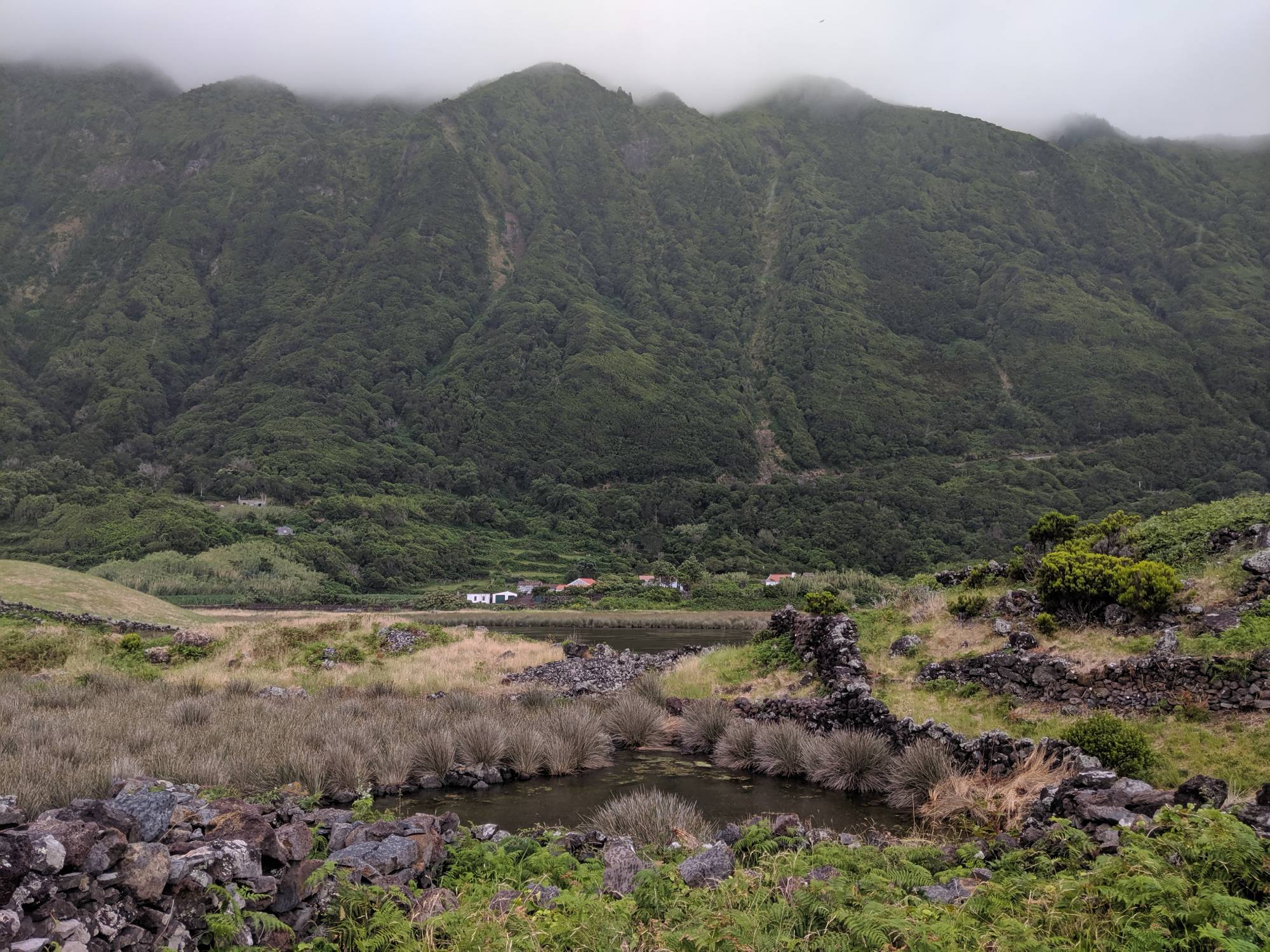
São Jorge has a mild oceanic climate, with summer temperatures typically around 25°C to 26°C (77°F to 79°F) and winter temperatures around 12°C to 14°C (54°F to 57°F). Rainfall is highest in autumn and winter and much lower in summer, with annual precipitation roughly 1,400 mm to 1,500 mm (about 55 to 59 inches), so expect green landscapes, frequent showers, and generally comfortable but changeable weather.
Will I need to learn Portuguese?
Portuguese is the official language on São Jorge, and for everyday life you’ll be much more comfortable if you learn at least basic European Portuguese. English is fairly commonly understood in tourism, hospitality and among younger people, but on a smaller, more local island like São Jorge you shouldn’t assume everyone will speak it well, especially outside the main service settings.
Pros and cons of living on São Jorge
- Pros: dramatic landscapes and protected nature (including the UNESCO biosphere designation); real quiet; strong local identity; and a lifestyle that rewards people who like walking, hiking, and low-consumption living.
- Cons: limited services; healthcare escalation requires travel; winter weather can feel isolating; and if you don’t already have remote income (or a very specific local plan), job options are extremely narrow.
Similar Locations
- Pico: Often the closest comparison, with a similarly volcanic landscape and a rugged, rural feel. Pico is a bit more developed in places and usually has more going on, while São Jorge feels steeper, quieter, and more isolated. It also benefits from a quick 30-minute ferry to Faial.
- Faial: Slightly more convenient and service-rich, especially around Horta, with an airport, hospital access, and more events. São Jorge is greener and more dramatic, but Faial is easier for everyday logistics.
- Flores: Another remote, scenic island with strong nature appeal and a slow pace of life. Flores feels even more isolated in some ways, while São Jorge has the advantage of being part of the central triangle.
- Corvo: The most remote comparison, but much smaller and more extreme in terms of isolation. São Jorge is far more practical for day-to-day living, while Corvo is closer to an ultra-minimalist outpost.
Final verdict: who should move to São Jorge?
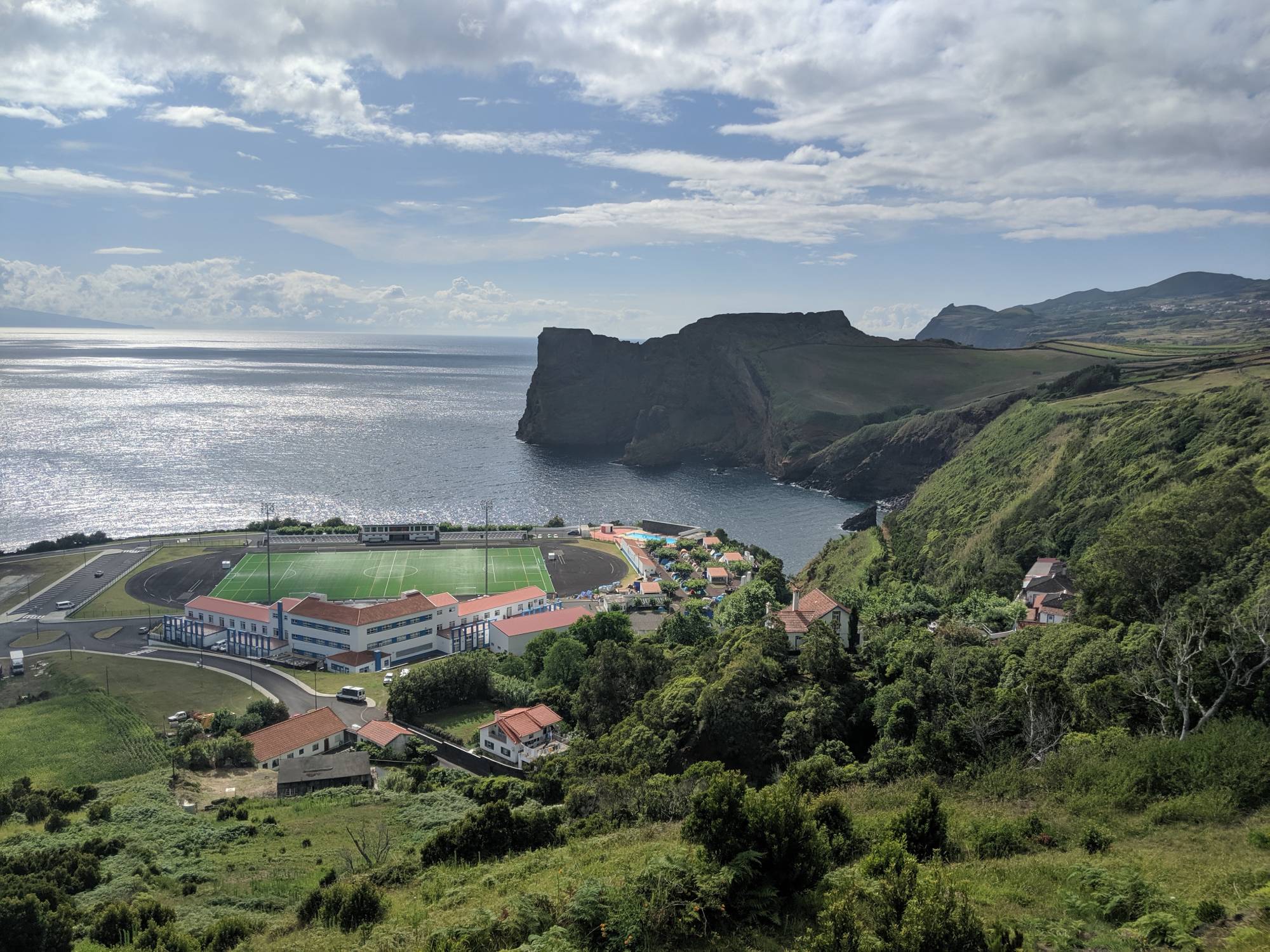
São Jorge is a great choice for someone who wants the Azores’ most dramatic, intimate version of island life—especially hikers, nature-first remote workers, and retirees who enjoy quiet and can plan around travel for specialized needs. It is not ideal for someone who needs an easy rental market, frequent nightlife, quick specialist healthcare, or a broad local job market.
The best predictor of happiness here is simple: if you can honestly enjoy winter as much as summer—and if “limited but beautiful” sounds freeing rather than frustrating—São Jorge can feel like a once-in-a-lifetime fit.
Footnotes & Sources
- https://madeira.rtp.pt/sociedade/sao-jorge-populacao-nao-tem-razoes-para-estar-preocupada/
- https://www.unesco.org/en/mab/fajas-de-sao-jorge
- https://madeira.rtp.pt/sociedade/sao-jorge-populacao-nao-tem-razoes-para-estar-preocupada/
- https://www.tecnohospital.pt/noticias/governo-acores-admite-ampliar-centro-saude-velas/