

Terceira is one of the Azores’ most practical islands for actually living—not just visiting.
It’s often considered part of the “big two” (alongside São Miguel) because it offers something many of the smaller islands don’t: real, year-round infrastructure. With a population of just over 53,000 (Census 2021)1, two reasonably-sized towns, a major airport (by Azorean standards), and one of the region’s key hospitals, it’s a place where daily life feels manageable rather than improvised.
At the same time, it still feels very much like an Atlantic island. Weather changes quickly, seasons affect how the island operates, and housing availability can be limited compared to mainland Portugal.
One of Terceira’s biggest advantages is its dual-center setup. Instead of relying on a single main town, the population is split between Angra do Heroísmo (around 33,800 people) and Praia da Vitória (around 19,500). In practical terms, this means you get two hubs of supermarkets, schools, cafés, and services, plus multiple coastal areas to choose from. It makes everyday life noticeably easier compared to islands with just one dominant town.
That said, livability here comes down to three key realities.
- First, microclimates matter more than you might expect. Coastal areas tend to be mild and relatively stable, but head inland or up in elevation—particularly around the Serra de Santa Bárbara—and conditions can shift quickly. It’s not unusual for one part of the island to be sunny while another is covered in cloud or fog.
- Second, housing is the main constraint. Buying property is still relatively affordable compared to Lisbon, but the rental market can be frustrating. Long-term rentals are limited, often not well advertised online, and frequently move through local networks. If you’re renting, expect to spend time searching and be flexible on both location and property type.
- Third, connectivity is good—but not seamless. Flights are reliable and frequent by Azorean standards, but still subject to weather. Ferries connecting Terceira to other islands are mainly seasonal, typically running from June to September, so outside of that window you’ll likely be flying.
Overall, Terceira tends to suit people who want a proper place to live, not just a beautiful island. You get essential services, a functioning economy, and a sense of community—without the scale or tourism pressure of somewhere like São Miguel.
Want to see more of us and less of all the other junk online?
Let Google know by adding us as a preferred source.
Quick Take: Is Terceira Right for You?

- Climate: Terceira has a mild, oceanic climate—but it’s also humid and changeable. Average temperatures range from around 14°C (57°F) in winter to 22°C (72°F) in summer, with an annual average of about 17°C (63°F). Rain is a real factor, especially in winter, and the island’s elevation (up to 1,021 m at Serra de Santa Bárbara) means conditions can vary significantly depending on where you are.
- Lifestyle: Compared to smaller Azorean islands, Terceira feels more “lived-in” year-round. Summer brings festivals—especially the Sanjoaninas in Angra2—but outside of peak season, life is quieter and more local. Social life tends to revolve around family, sports clubs, and community events rather than nightlife.
- Costs: Living costs are shaped by two opposing forces: lower VAT rates in the Azores3 and higher costs due to island logistics. Housing is the biggest variable, particularly rentals, which can be difficult to find and aren’t always well represented online.
- Connectivity: Flights are the backbone of travel. Ferries exist but are sometimes seasonal, so most off-island travel—especially in winter—means flying.
- Ideal for: Remote workers, retirees, and families looking for safety, space, and community. Less ideal for those who need a deep job market, constant activity, or highly specialised healthcare on demand.
What’s It Like to Live Here Year-Round?
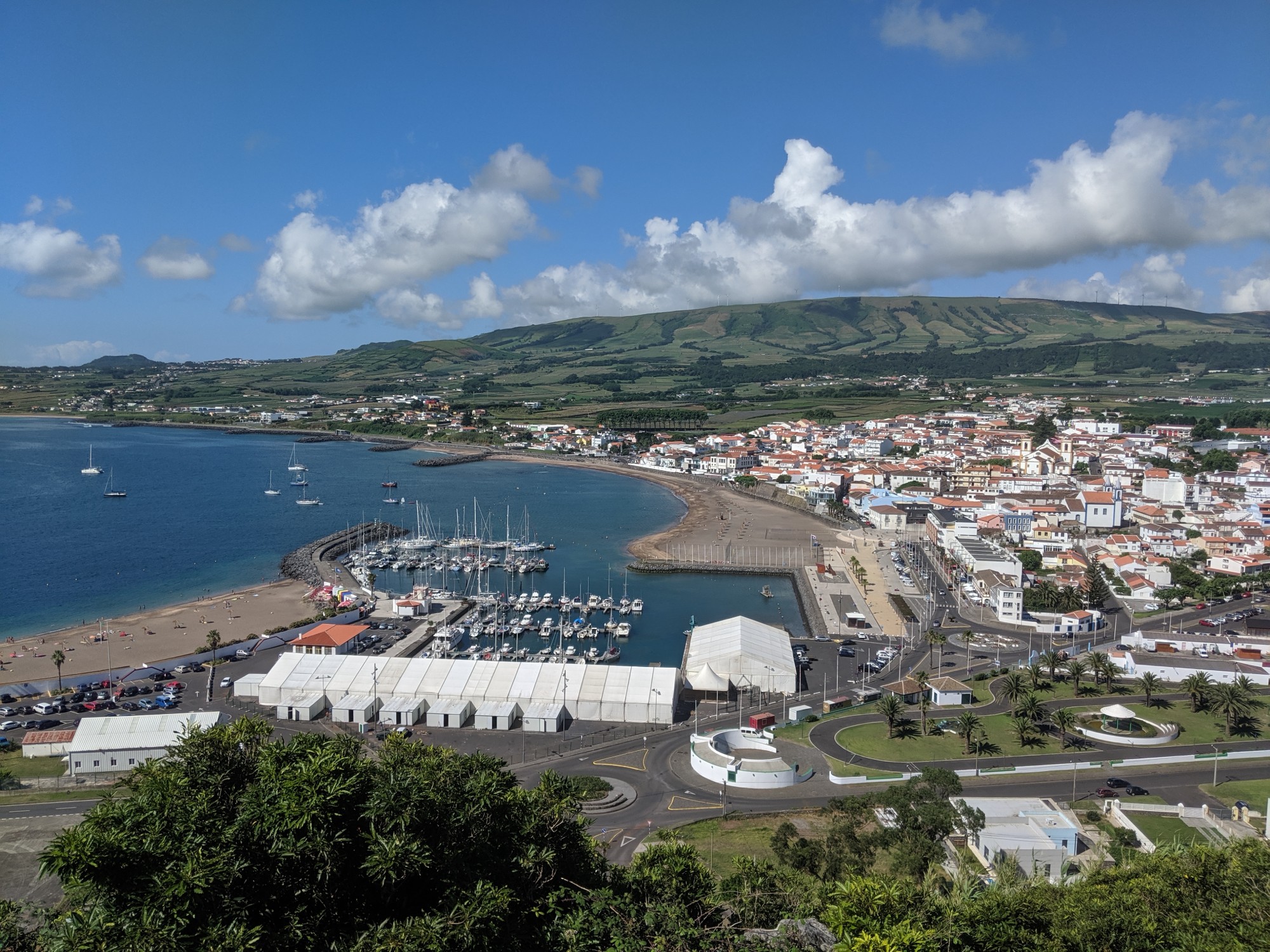
Life on Terceira changes with the seasons—but not in the way you might expect.
It’s less about temperature extremes and more about weather patterns and energy levels. Winters are mild but wetter and windier, which naturally shifts how people live. Outdoor activities become less predictable, and life moves indoors—think cafés, gyms, and home-based routines.
Summer, on the other hand, brings a noticeable lift. Festivals, events, and visitors add energy to the island, and everything feels more active. Restaurants are busier, tourism services are fully operational, and there’s a general sense of momentum.
One thing many newcomers notice is how important your home setup becomes. Because of humidity and rainfall, features like good ventilation, dehumidifiers, and heating (even in a mild climate) can make a big difference to day-to-day comfort.
There’s also a practical side to year-round living: bureaucracy and services. Most essentials are available locally, including immigration services through AIMA in Angra, but processes can take time, and some things still depend on mainland systems.
Best Towns and Areas to Live
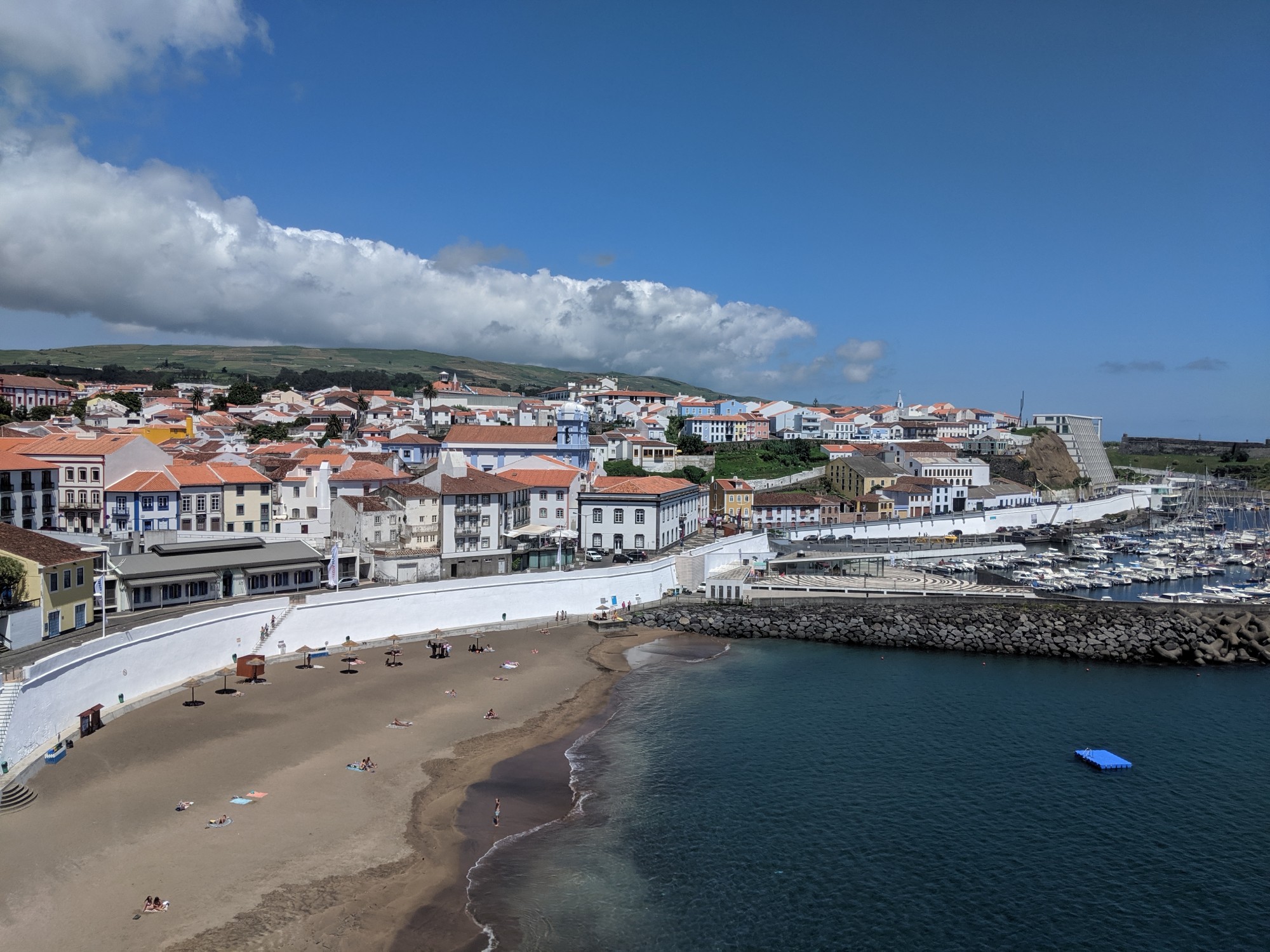
Most people moving to Terceira end up choosing between three broad lifestyles.
- Living in Angra do Heroísmo gives you history, walkability, and easy access to services. It’s the island’s administrative and cultural centre, and the UNESCO-listed core adds a lot of character. The trade-off is that older buildings can come with quirks—renovation needs, parking challenges, and less modern layouts. However, this is common across a lot of Portugal.
- Praia da Vitória feels more practical. It’s closer to the airport, flatter, and often easier for day-to-day routines. Many families and frequent travellers prefer it for that reason, even if it lacks Angra’s historic charm.
- Then there’s the coastal village option, where you trade convenience for space and quiet. These areas can be beautiful and more affordable, but they usually require a car and a bit more planning—especially for things like shopping, schools, or healthcare.
Higher elevation areas offer even more space and greenery, but come with noticeably different weather: cooler temperatures, more fog, and higher humidity.
In practice, most residents optimise for three things: proximity to their daily “anchor” (work, school, or healthcare), the condition of the property (especially in winter), and how much driving they’re comfortable with.
Renting & Buying Property
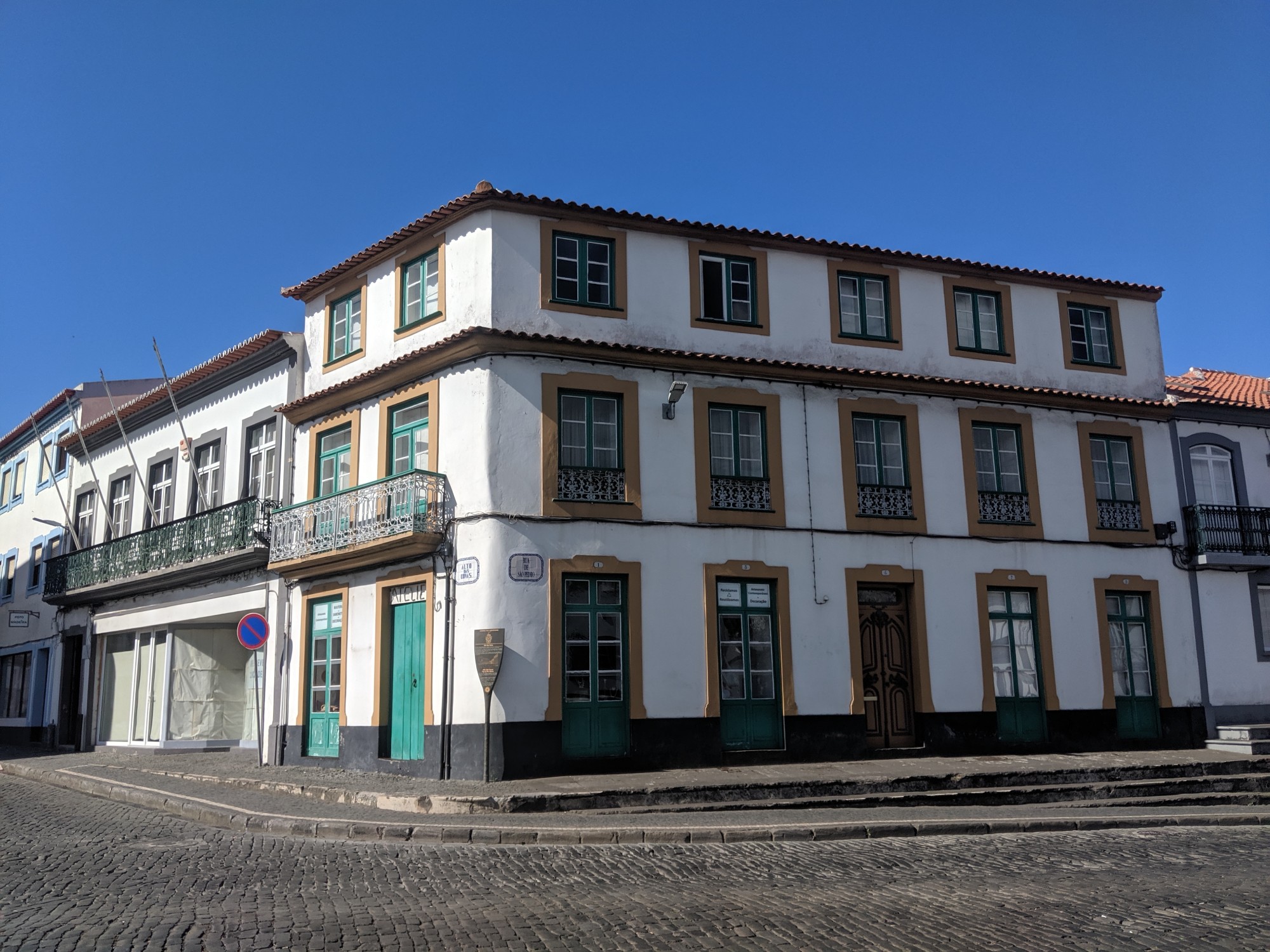
Housing on Terceira can feel confusing from the outside, as it can be with all Azores islands. There is housing available—but the market isn’t always visible. This is particularly true for rentals, where listings can be sparse and not always representative of what’s actually available locally.
Buying: Buying tends to be more straightforward. Prices are still relatively low compared to mainland Portugal, although they vary depending on condition, location, and whether a property is ready to live in or needs renovation. That said, many properties that get sold are “off-market” properties, meaning they aren’t listed online and are done on more of a word-of-mouth basis.
Renting: Renting is where things get more complicated. Supply is limited, some properties are offered as short-term or seasonal lets, and online listings don’t always reflect the full picture. Many rentals are found through local contacts or agencies rather than large property portals. On Idealista, for example, you’re only likely to find a handful of properties for rent and several of those are likely to be short-term rentals.
Cost of Living
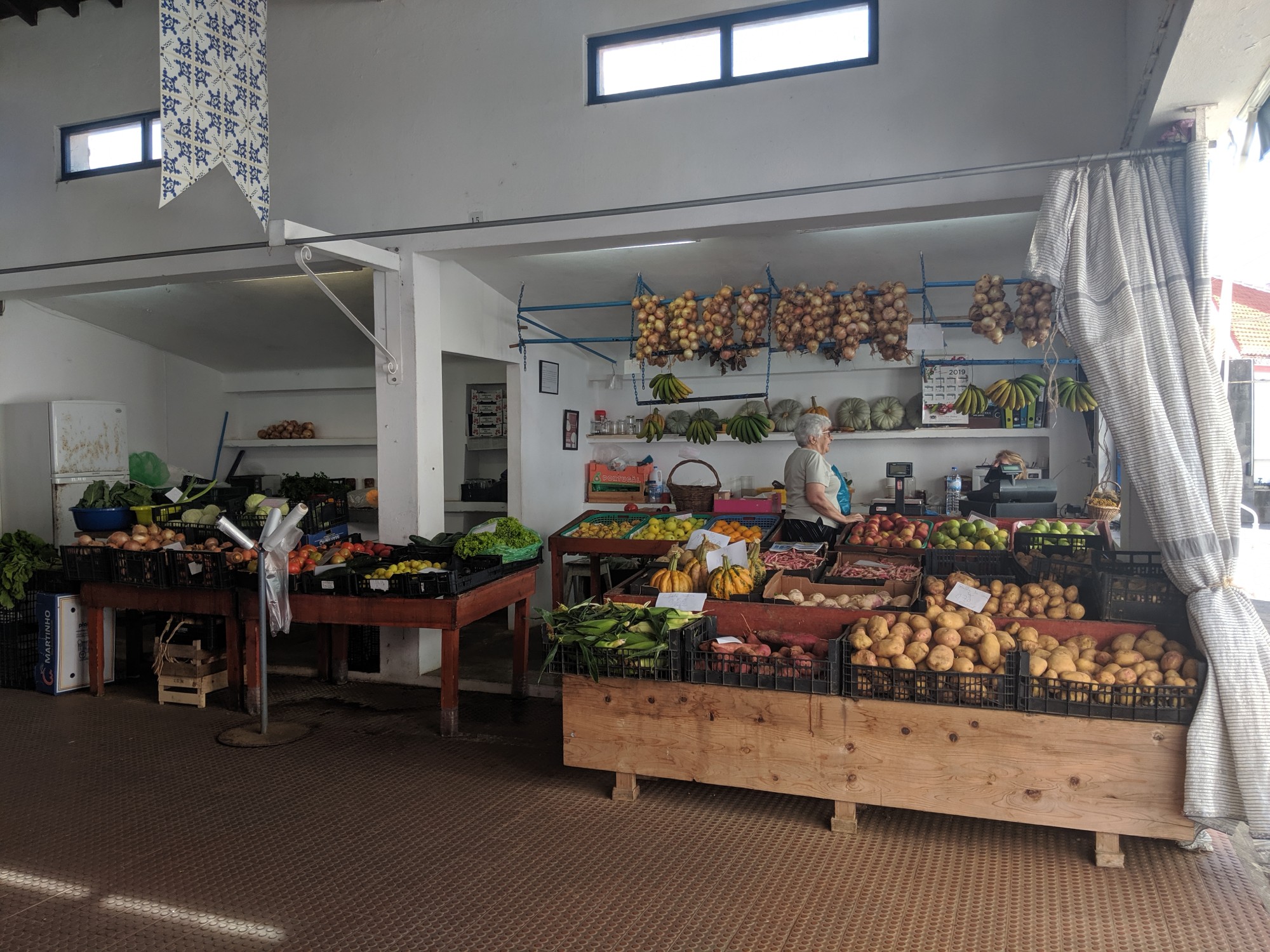
The cost of living on Terceira sits somewhere in the middle. It’s cheaper than Lisbon or Porto in many ways, but not across the board. Lower VAT rates help keep some costs down, but importing goods to an island adds its own expenses. Those looking to keep costs as low as possible may find rural mainland Portugal, particularly Central or Northern Portugal, a better fit.
Housing is the biggest variable and often the deciding factor in your overall budget. Beyond that, groceries can be slightly higher than on the mainland, while eating out is generally affordable.
Most people find that the real value comes from the lifestyle rather than pure cost savings. You’re not necessarily spending dramatically less—but you may feel like you’re getting more for what you spend.
Healthcare
Terceira has comparatively strong healthcare for the Azores because it has a public hospital on the island and at least one private clinic, so it is better served than many smaller islands. The main public hospital is Hospital do Santo Espírito da Ilha Terceira in Angra do Heroísmo, and the island also has a private option, Vital Clínica in Terra Chã, Angra do Heroísmo.
Schools
Schools are available and follow the Portuguese system, but options are limited compared to larger cities, particularly for international education.
Primary / integrated schools
- Escola Básica Integrada dos Biscoitos — serves Biscoitos, Quatro Ribeiras, Altares, and Raminho; it covers pre-school through 3rd cycle and also PROFIJ/special programmes. It is the local integrated school for the north/northwest side of the island.
- Escola Básica Integrada Francisco Ferreira Drummond — based in São Sebastião, with an additional building in Porto Judeu; it serves pre-school through 9th year and draws pupils mainly from São Sebastião, Porto Judeu, and Feteira.
- Escola Básica Integrada da Praia da Vitória — in Praia da Vitória, Rua Nossa Senhora da Saúde; it is a public integrated school covering Jardim de Infância, 1st, 2nd, and 3rd cycles.
- Escola Básica de Angra do Heroísmo — this name usually refers to an integrated/basic school in the Angra area, but I’d want to verify the exact campus/name because there are a few Angra-based school units and the title you gave is a bit broad.
Secondary schools
- Escola Secundária Vitorino Nemésio — in Praia da Vitória, Rua Comendador Francisco José Barcelos; it is a public secondary school and also offers professional pathways.
- Escola Secundária Jerónimo Emiliano de Andrade — this is the main secondary school in Angra do Heroísmo; it is the city’s key general secondary option.
- Escola Básica e Secundária Tomás de Borba — in the Angra area; this one is a hybrid school, so it functions partly as a basic/integrated school and partly as a secondary school.
Jobs
A lot of island employment is still tied to the public sector, local services, hospitality, farming, and infrastructure work. Construction appears to be a meaningful area at the moment, especially for skilled trades and maintenance, and that can be one of the more practical openings for people already living there. Tourism is still important, but it tends to be seasonal and more concentrated in hospitality, guiding, and related services.
There are also jobs in education, including English-teaching and school-related roles, with some listings in Angra do Heroísmo. Healthcare and care-adjacent work can matter too, especially around public health and clinic services on the island, though these jobs usually require Portuguese and relevant credentials. Tech and remote-friendly roles exist in the broader Azores market, and some English-speaking openings are listed for Azores-based locations, though many are not specifically on Terceira.
Getting Around
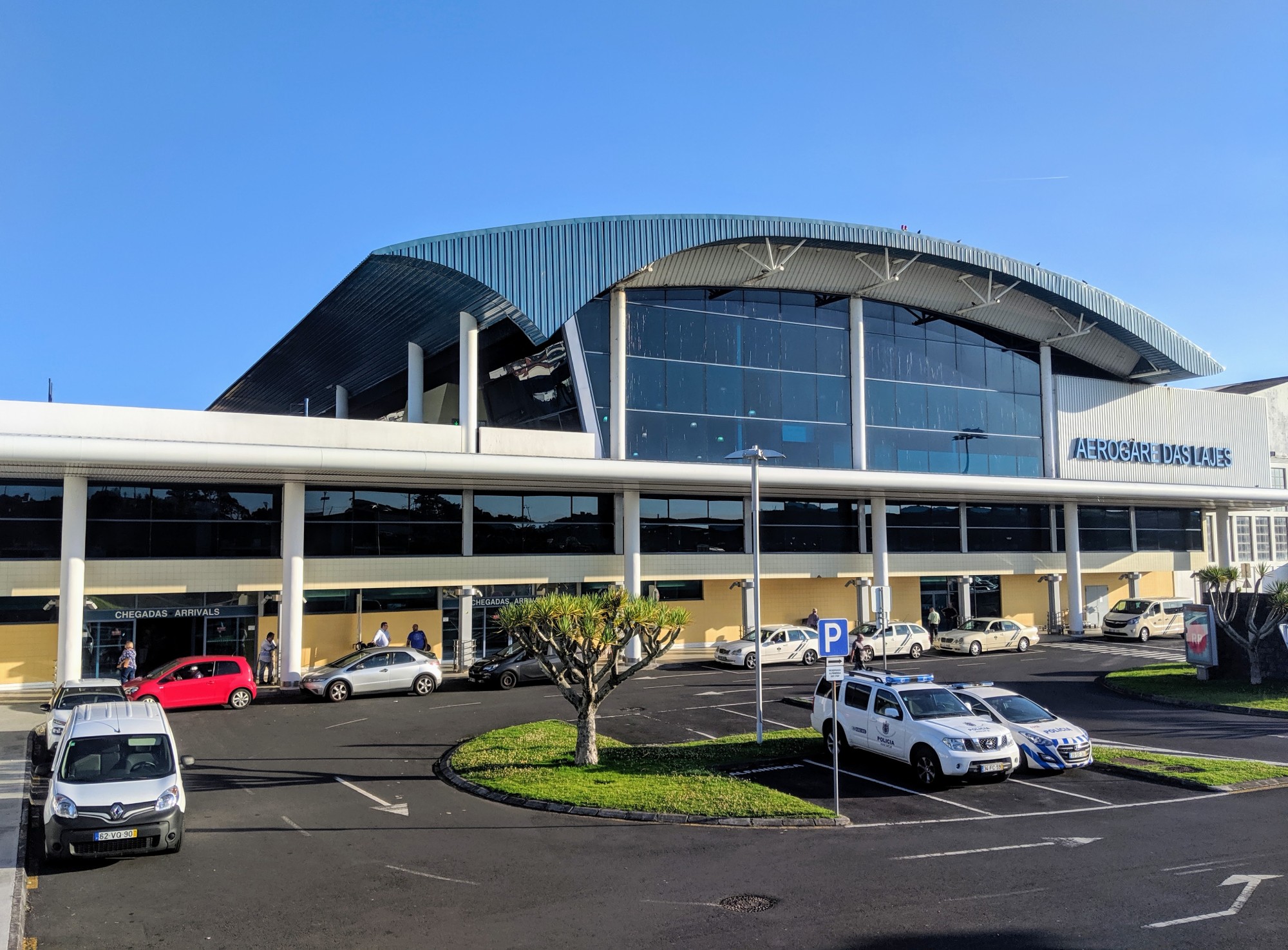
Getting around is straightforward with a car, and most residents structure their lives around driving rather than public transport. Travel off the island is usually by air, especially outside the summer ferry season.
- Ferries: Ferries from Terceira are mainly a summer thing, not a year-round daily network. The main routes link Terceira with the central islands, especially Faial, Pico, São Jorge, and Graciosa, and service is seasonal from about June to September. Praia da Vitória is one of the main ferry points, and some routes also connect from Angra depending on the season.
- Flights: Terceira’s airport is Lajes Field / TER, on the island itself, about 20–25 minutes from Angra by taxi or car. It’s the main air link for the island, with flights to mainland Portugal and also some direct international routes, so you usually fly off-island rather than ferrying. For day-to-day living, this makes Terceira fairly convenient compared with smaller islands.
- Taxis: Taxis are available and useful for short hops, airport transfers, and nights out, but they are not the cheapest option. They work well for occasional use, especially if you live in town or only need a lift now and then. For regular travel, though, the cost adds up quickly.
Pros and Cons of Living Here
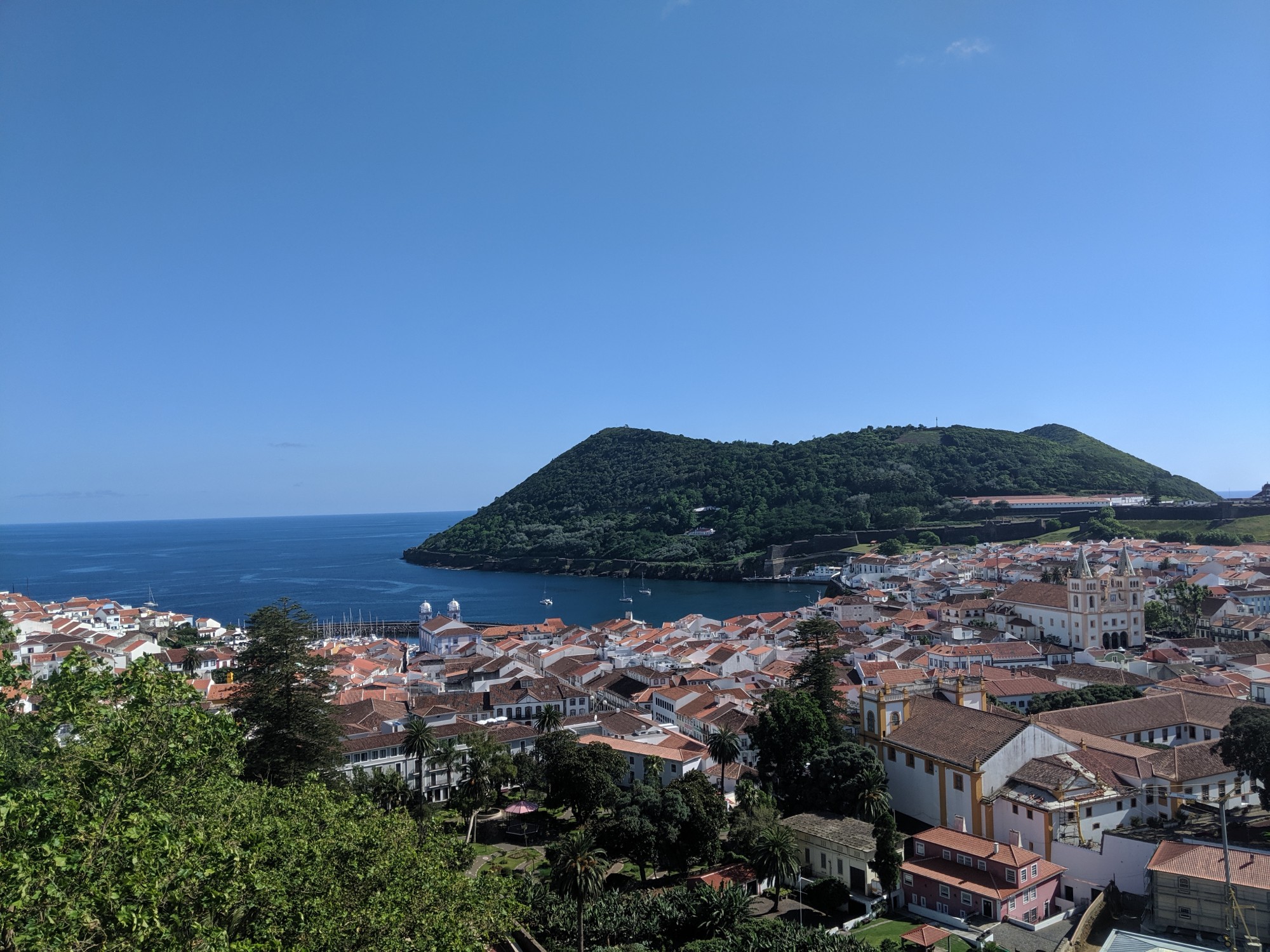
Terceira is one of the easier Azores islands to live on, but it still has the usual island trade-offs: slower pace, fewer jobs, and less choice than the mainland. Compared with the smaller islands, it is much better served; compared with São Miguel, it is smaller, quieter, and generally a bit less expensive and less crowded.
Pros
- Better services than most islands. Terceira has a proper urban centre in Angra do Heroísmo, a second town in Praia da Vitória, and stronger day-to-day infrastructure than the more isolated islands.
- More balanced than São Miguel. It tends to feel less stretched, with housing often easier to find and prices a touch lower than on São Miguel.
- Good quality of life. People describe it as relaxed, safe, scenic, and socially pleasant, with a stronger year-round rhythm than some smaller islands.
- Still enough going on. It has cafés, bars, festivals, beaches, hiking, and a decent local social life, especially around Angra.
Cons
- Small job market. Local work is limited, and well-paid roles are not plentiful outside public services, tourism, trades, and a few other sectors.
- Island isolation. You are still dealing with flight dependence, shipping delays, and less product choice than on the mainland.
- Not as much variety as São Miguel. São Miguel has more people, more services, more private healthcare, and more general choice; Terceira is easier to live on than most islands, but it is still less dynamic.
- Weather and bureaucracy. Like much of the Azores, the weather can be moody, and admin can be slow or inconsistent.
Compared with other islands
- Versus São Miguel: Terceira is quieter, smaller, and usually a bit cheaper; São Miguel has more jobs, more services, and more private-sector options.
- Versus smaller islands like Flores, São Jorge, or Graciosa: Terceira is much more practical for daily life because it has stronger infrastructure, more shops, better healthcare, and more schooling options.
- Versus Faial: Terceira generally has the edge on service depth and day-to-day convenience, while Faial can feel a bit more limited.
Overall, Terceira is a good compromise island: more livable than the smaller Azores islands, less pressured than São Miguel, and still relaxed enough to feel distinctly island-based
Similar Locations
If you’re comparing within the Azores, Terceira sits somewhere between the scale of São Miguel and the remoteness of smaller islands like São Jorge. It offers more infrastructure than most islands, but still retains a quieter, more local feel than São Miguel and especially Madeira.
There really isn’t a comparable island. You either need to go larger and go to São Miguel or go slightly more remote and go to somewhere like Faial.
Final Thoughts
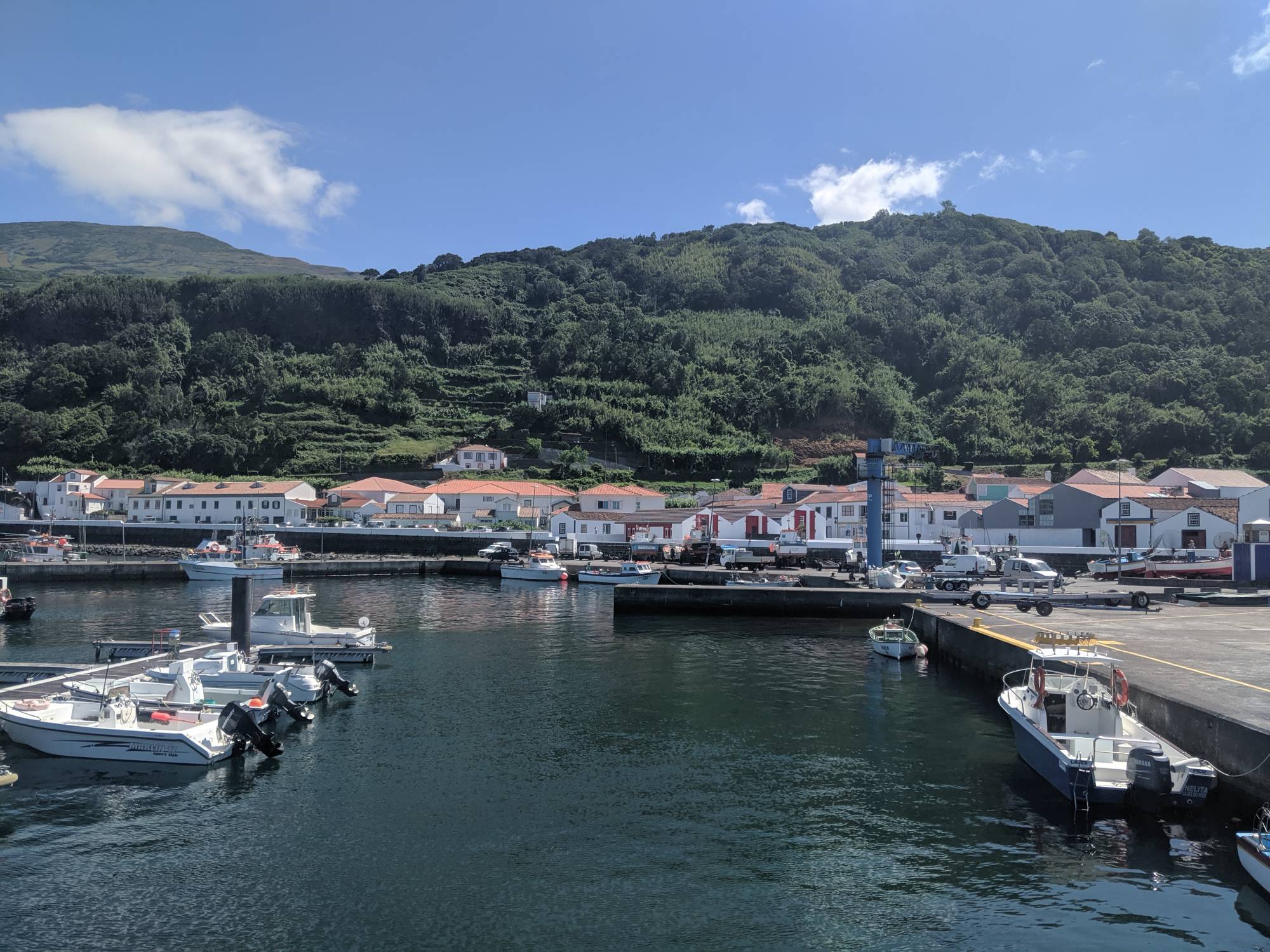
Terceira is one of the most balanced places to live in the Azores.
It has enough infrastructure to make daily life comfortable, without losing the slower pace and natural surroundings that define island living.
That balance is its biggest strength—but also the key trade-off.
You’re gaining space, community, and a different rhythm of life, while giving up some convenience, variety, and opportunity. For the right person, that’s exactly what makes Terceira such an appealing place to call home.
Footnotes & Sources
- https://srea.azores.gov.pt/wp-content/uploads/2025/12/PUBLICACAO_DEMOGRAFIA_2023-1.pdf
- The Sanjoaninas are Angra do Heroísmo’s biggest annual festival, held in late June on Terceira in the Azores. They celebrate São João with street parades, popular marches, music, food, sports, and other local traditions, turning the city into a lively multi-day celebration.
- https://taxsummaries.pwc.com/portugal/corporate/other-taxes
 Thinking about Moving to Portugal?