

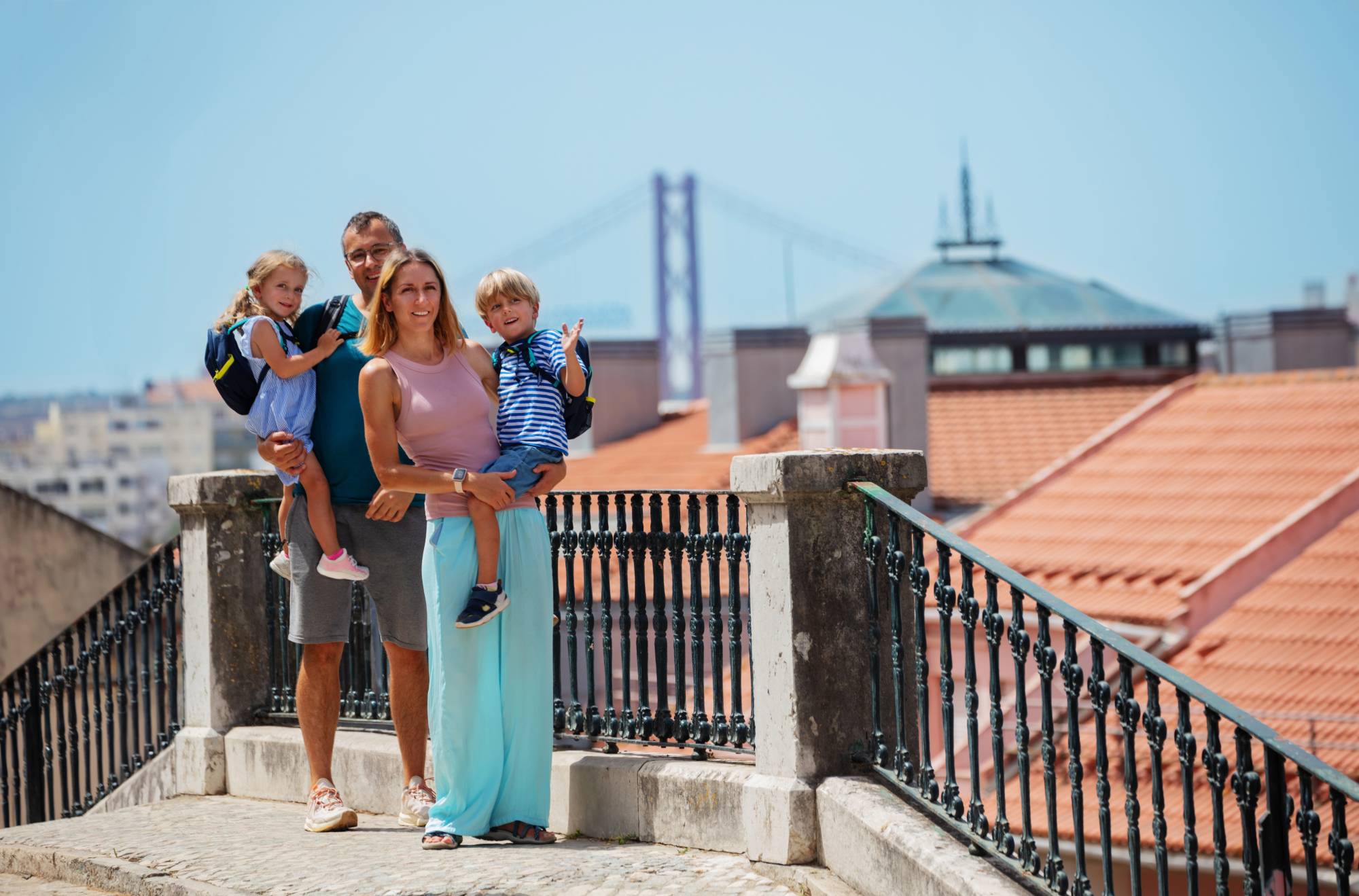
Portugal’s citizenship rules are tightening — and the requirement to show “ties” or “an effective connection” to Portugal may increase as well.
The government is also introducing a civic knowledge test to sit alongside the existing A2 Portuguese language requirement. Applicants will need to demonstrate “sufficient knowledge of the rights and duties of Portuguese citizens and how the country’s politics is organized,” assessed through formal testing.
It’s possible that they will become stricter on showing that you have a real connection to Portugal and aren’t just in it for an “EU passport.”
Want to see more of us and less of all the other junk online?
Let Google know by adding us as a preferred source.
The Connection Requirement: Not New, But Easy to Overlook
One of the conditions for Portuguese naturalization has always been demonstrating a genuine connection to the Portuguese community. It comes up most often in applications made through descent, particularly those applying via a Portuguese grandparent. These applicants may have a clear legal entitlement, but if they’ve had little contact with Portugal or its culture, public attorneys can and do push back. It surfaces in spouse applications too, where someone may be married to a Portuguese citizen but hold no other ties to Portugal besides that.
For most people who have been living in Portugal under a standard visa like the D7 or D8, it tends to be less of a problem — the connection is real and demonstrable through the simple fact of daily life. But as scrutiny of all citizenship applications increases, it may become something that every applicant needs to think about more carefully, regardless of their route. Golden Visa holders in particular — who by design spend minimal time in the country — may need to think how they show a connection to Portugal, particularly if they only spend the minimum number of days in the country.
Immigration lawyer Sandra Gomes Pinto explains the risk plainly:
“One of the requirements is actually that you reside in Portugal and another important requirement is that you have a strong connection to the Portuguese community. So I think there is the possibility that after submitting your citizenship application the public attorneys might say that if you don’t have actually connection with a country because you didn’t reside here and you didn’t show this connection, then you might not be able to get citizenship.”
What “Connection” Actually Means in Practice
The connection requirement isn’t primarily about how many days you’ve spent in Portugal. It’s about whether you can demonstrate an ongoing relationship with the country and its culture — and crucially, whether you can evidence it.
“This is something we advise our clients to do — sometimes be part of the soccer game, be part of some community associations, give back in some way, start to learn the language from day one. But not everybody takes care of that in a preventive way and starts to prepare in due time.”
— Sandra Gomes Pinto
According to lawyers who handle these applications regularly, what actually moves the needle is both concrete and abstract: proof that you attend cultural events, that you’re doing Portuguese things, that you have a life here in some form. A library card. Membership of a community association or sports club. Volunteer work. Portuguese language classes. Portuguese friends. Children in local schools.
For those genuinely living in Portugal, this usually isn’t a concern. If your children are in local schools, you have Portuguese friends and colleagues, you attend local events — the connection is there.
The risk is for people who have been living in an expat bubble: few Portuguese friends, no engagement with local institutions, no attendance at Portuguese events. It doesn’t mean an application would automatically fail, but it’s not a question you want to be caught off guard by.
Building Your Case — and Starting Early
The consistent advice from immigration lawyers is the same regardless of your visa route: don’t wait until you’re preparing your application to think about this. The time to build a connection to Portugal is now.
Concretely, that means building and documenting your connection well before you apply:
- Get Portuguese-registered where you can. A local driving license, a library card, a GP registration — small things that together signal you’re a participant in Portuguese life, not just a visitor with residency rights.
- Join something. A community association, a sports club, a volunteer organisation. Participation in local civic and social life is visible, documentable, and meaningful to a reviewing attorney.
- Invest in the language beyond the minimum. Meeting the A2 requirement is the floor, not the ceiling. Demonstrating B1 or B2 level Portuguese signals a deeper engagement with the country and its culture.
- Keep records of cultural participation. Tickets to Portuguese events, receipts, membership cards, class certificates — anything that demonstrates your ongoing relationship with Portugal is worth holding onto.
- Make Portuguese connections. Friends, neighbours, colleagues, fellow volunteers. Being able to name real people who know you and your life in Portugal is, in practice, one of the most effective things you can offer.
The Bigger Picture
Portugal is not unique in scrutinising citizenship applications more carefully. Across Europe, there is growing political pressure to ensure that naturalization reflects something more than residency by investment or a genealogical entitlement.
The combination of a longer waiting period, a new civics test, and a heightened focus on genuine community ties suggests the direction of travel — and the connection requirement, long present but inconsistently applied, may increasingly become a factor for all applicants.
For those who genuinely intend to make Portugal part of their lives, this is manageable. For those who have kept Portugal at arm’s length — treating it as a legal address rather than a real home — the message from the lawyers who navigate these applications is clear: start building your connection today, not in year nine.
 Thinking about Moving to Portugal?