


Faial, known as the “Blue Island”, is one of the Azores’ Central Group and offers a balance between rugged nature and convenient island life.
With about 14,300 residents (2021)1 and a land area of just 173 km², it’s more populous than Pico but still feels like a small community. Life is largely built around Horta (population ~7,000)2 – a historic port town famed for its sailing culture, painted marina murals and cosmopolitan yachtie scene.
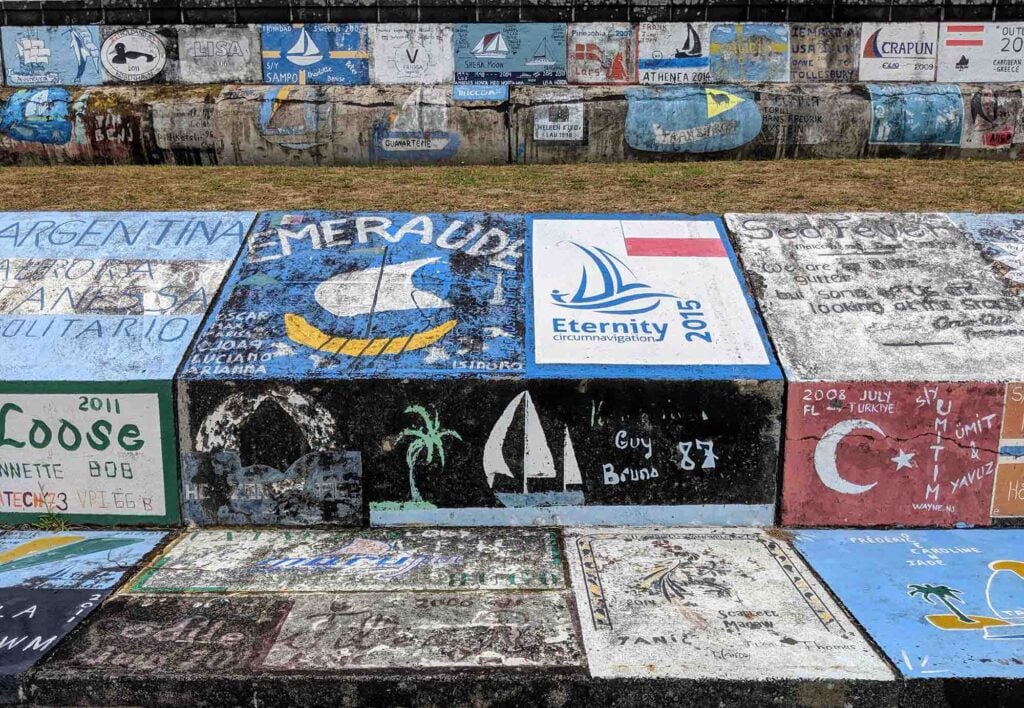
Faial residents enjoy good infrastructure (there is a hospital and an airport with direct Lisbon flights), and daily life mixes traditional island routines with an international flair. You’ll find that English is commonly spoken in Horta thanks to sailors and the businesses that cater to them, but conversing in Portuguese remains important for official matters.
In short, Faial offers a connected island lifestyle – more amenities and transport links than Pico, yet still remote – so you’ll relish the ocean views and community feel while adapting to wet weather and the occasional travel hiccup.
Quick Take: Is Faial Right for You?
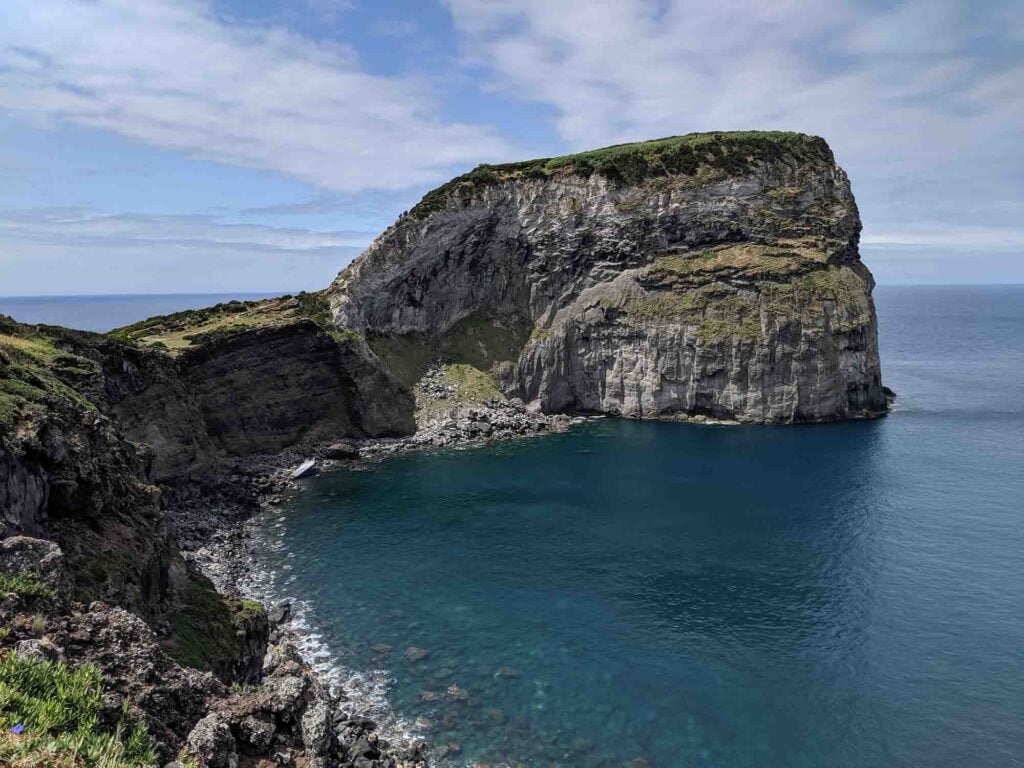
- Climate: Faial’s climate is mild oceanic. Summers average mid-20s°C; winters stay around 14–17°C. Rainfall is heavy from October through March (the island averages ~1,200 mm/year), so expect gray, windy days in winter and quick weather shifts. Summers are drier and perfect for hiking or sailing. The dominant winds and fog (especially inland) do shape life – you’ll often layer up.
- Lifestyle: Relaxed, community-oriented but more lively than most other islands due to the marina and inflow of sailors. Days often start with coffee at a harbour-side café, maybe followed by errands in town or a ferry trip to Pico. Weekends mean hikes to the Capelinhos volcano or impromptu fiestas in a village square. There is little formal nightlife – town quiets by 11pm – but families and expats gather at any chance to socialize outdoors. In general, life here is slow but sociable, with neighbors greeting each other by name.
- Costs: Faial’s cost of living is modest compared to Lisbon and Porto but due to being an island will be more expensive than mainland Portugal for many things, particularly anything that has to be imported. As with all Portuguese islands, getting deliveries from Amazon and other non-Portuguese companies can be slow and challenging.
- Connectivity: Faial is one of the best-connected of the small Azores: there are daily flights to Lisbon and Ponta Delgada (São Miguel), and the ferry to Pico is just 20 minutes. Horta even has a hospital that handles most emergencies locally. That said, winter storms can cancel ferries/planes, so planning trips requires flexibility.
- Ideal for: Boaters, surfers, nature lovers, artists, and anyone seeking an international yet authentic island vibe. Faial suits those who want island quiet without complete isolation – for example, people happy to hop to Pico for a different scene, or to travel easily on and off island. It’s less ideal if you need city amenities (big hospitals, universities, nightlife) at your doorstep.

What’s It Like to Live Here Year-Round?
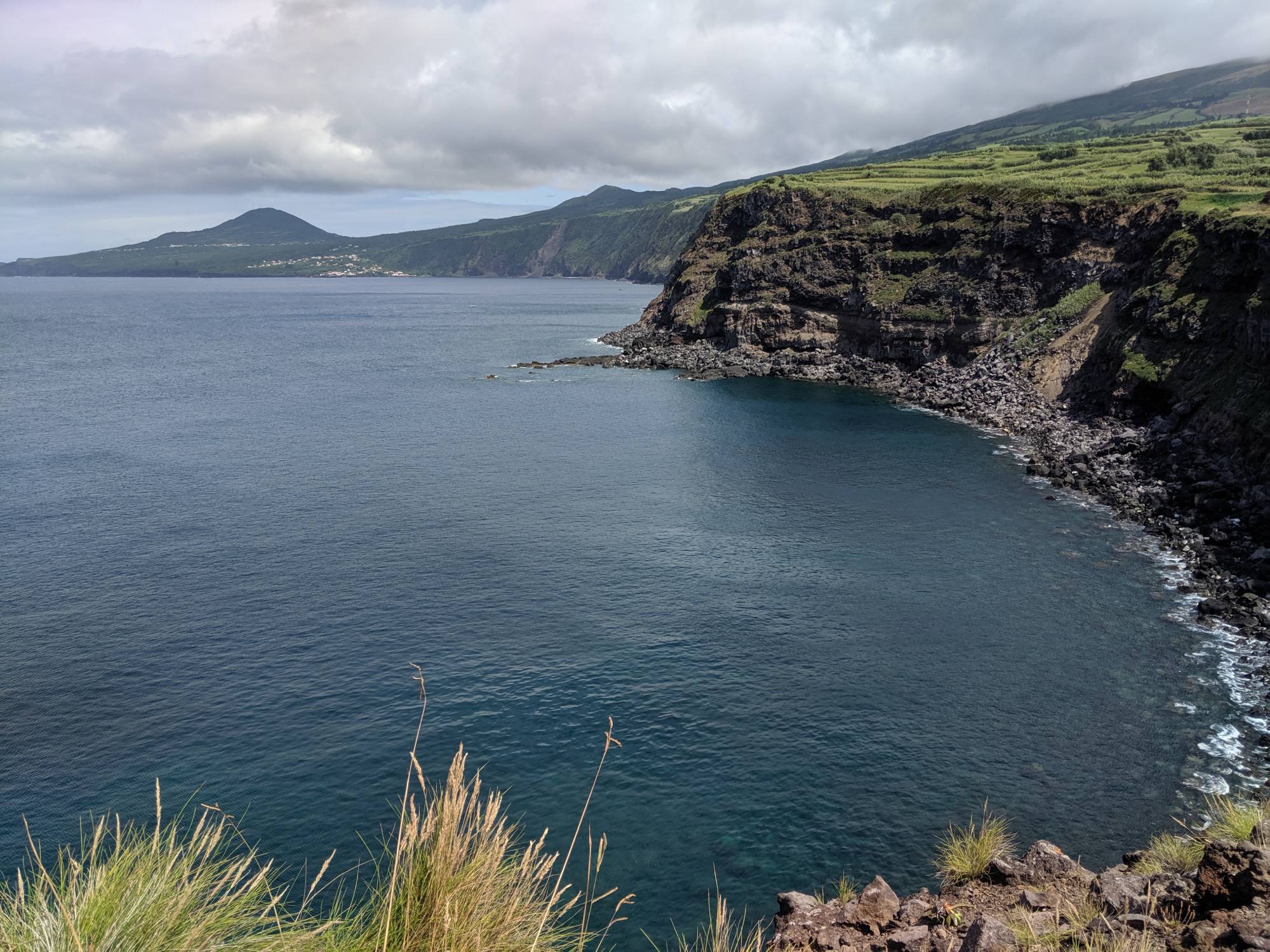
Daily life on Faial revolves around its ocean and outdoor culture, as seen from the bustling marina. Seasonality is pronounced. Summer (July–September) sees sunny days in the 20s°C, and festivals like São João or local music concerts light up Horta. Many outdoor services (ferry frequency, tour operators) ramp up, and the countryside is lush green.
In winter, life slows: fall-back daylight means early dusks, and frequent Atlantic squalls can leave roads quiet. On rainy days, islanders might focus on indoor hobbies or community events. Many houses use electric or wood stoves for heating, but homes are generally well-insulated against cold.
Families enjoy Faial’s compactness: any part of the island is within 30 minutes of Horta. Kids often walk or bike to school. The strong community means if you need a plumber or babysitter, word-of-mouth finds solutions quickly. Health appointments and shopping for anything beyond basics require a trip to São Miguel or Terceira, so residents say “plan ahead” for non-local needs.
Overall, life here is friendly and unhurried – you leave the rush of cities behind, and instead you’re likely to get caught up in island festivals, gardening, or sailing regattas.
Best Towns and Areas to Live
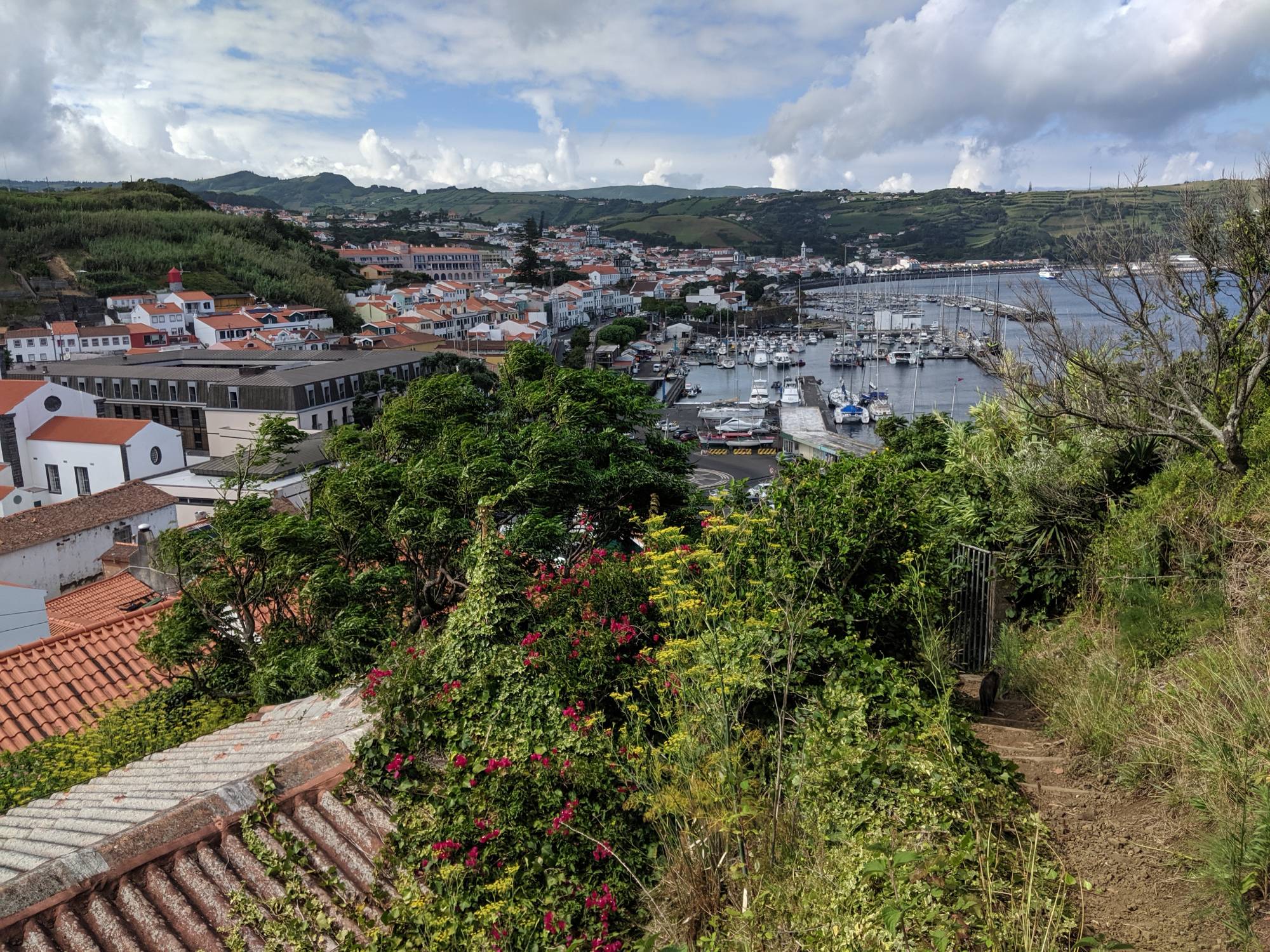
- Horta: The heart of Faial. It’s the island’s main town with supermarkets, banks, government offices, pharmacy, hospital and the airport. Living in Horta means being near amenities: shops, restaurants, gym, internet cafes and weekly markets are steps away. Housing ranges from apartments in the town center to older stone houses on its outskirts. Tourists can bustle in summer, but overall it’s calm by 10pm. For families or expats needing convenience, Horta is top choice.
- Almoxarife / Praia do Almoxarife: A short drive east of Horta, this coastal village has Faial’s best sandy beach (Praia do Almoxarife). It also boasts pastel-colored houses and a more community feel than Horta. There are small shops and cafes, plus a popular swimming complex. Many people choose Almoxarife for sea views and a slightly slower pace, commuting to Horta when needed.
- Feteira: South of Horta, Feteira is a small farming village surrounded by green fields. It has a quiet rural vibe, old churches, and a couple of local markets. It’s residential, with homes often on spacious lots. Driving to Horta takes about 10 minutes. Good for those wanting village life but still easy access to town services.
- Castelo Branco / Flamengos: West of Horta along the main road, these are a few connected villages with shops, schools, and some light industry. A moderate drive (15–20 min) to Horta. They’re centered around agriculture (tea plantation), so more locals and fewer expats here.
- Capelo / Salão: These are quiet hamlets near Capelinhos volcano. Very few amenities, mostly rural. Popular with those buying old homes with land. If you move here, expect to drive for groceries and accept intermittent mobile/internet. Capelo is scenic (vineyard terraces) but off-the-beaten-path.
In general, Horta and Almoxarife are easiest for services and newcomers; villages like Feteira or Capelo suit those who value quiet and nature, and don’t mind a longer drive. No part of Faial is “far” – the whole island is drivable in under an hour – but wind and fog can make some routes tricky in bad weather.
Renting & Buying Property
- Buying: Faial’s property market is medium-sized. There are move-in-ready properties for sale, but many listings are also for plots or ruins in need of serious renovation. Prices vary considerably.
- Renting: As with most Azores islands, there is a lack of long-term rentals, at least advertised online. Rentals often operate by word-of-mouth so you may need to visit to find a suitable property. Prices are at least on-par with most parts of mainland Portugal with rentals for a T4 going for around €1,000-€1,500 per month.
As with all of the Azores, many property sales and rentals happen off-market. It’s a good idea to work with a local real estate or rental agent in order to find all of the properties available.
Cost of Living
Faial’s day-to-day costs are on par with other medium-sized Azores islands, but will generally be higher than many rural parts of mainland Portugal due to the cost of importing:
- Housing: Housing costs are slightly lower than São Miguel, but still more expensive than a small inland town in mainland Portugal.
- Groceries: Groceries aren’t as high as some of the smaller islands, like Flores or Santa Maria, thanks to the Pingo Doce on the island. However, many products need to be imported which does increase costs.
- Dining Out: Costs are on-par and even slightly higher than mainland Portugal, and many restaurants cater primarily to the tourist sailors who visit Horta.
Expat Life
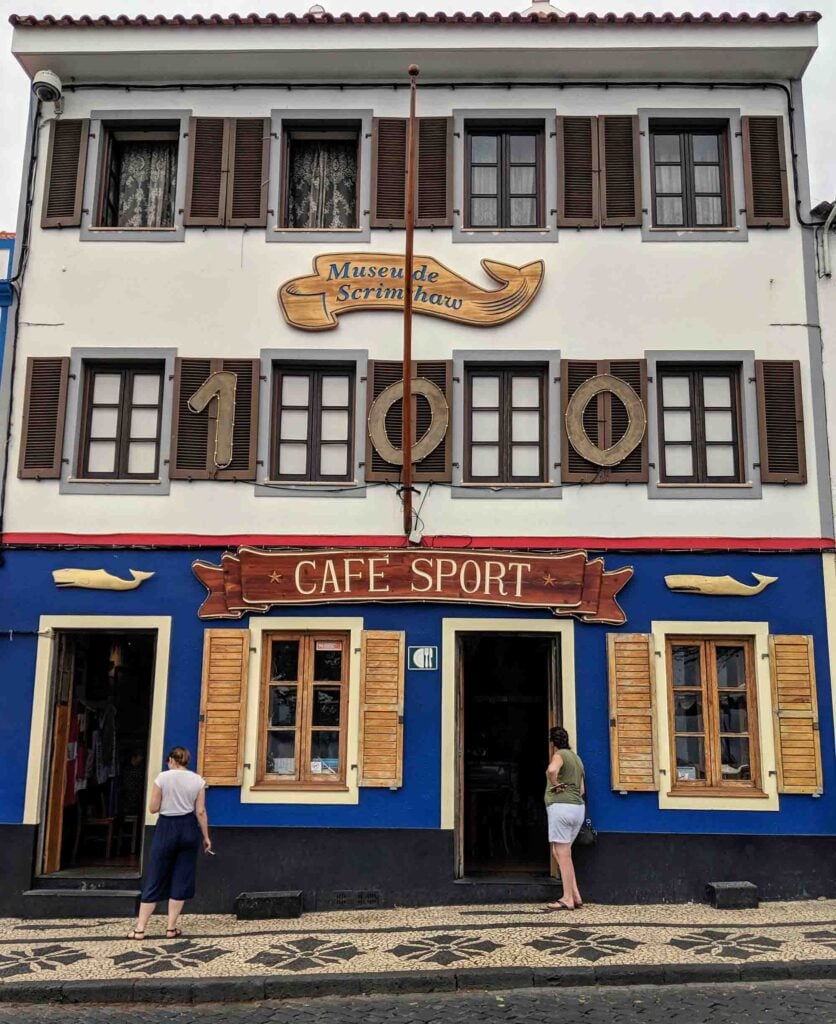
Faial has one of the liveliest expat communities in the Azores, particularly in Horta and Almoxarife. Many are sailors (having stopped over and decided to stay). Compared to Pico or Flores, you’ll meet more internationals here – English, Dutch, French and Americans are not uncommon. English is spoken in many businesses (given the marina’s visitors and a resident English-speaking population), but day-to-day integration still goes smoother with Portuguese.
Socially, expats often form groups through sailing clubs, bars, or Facebook groups such as Expats – Ilha do Faial and Expats in Azores. Newcomers often comment that the blend of locals and visitors (many of whom return annually) makes Horta multicultural in a quiet way.
However, life on Faial can be isolating at times. While Horta is busy by Azorean standards, once the sun sets and the season ends, nightlife is minimal. Some expats say winters are the hardest months, with stormy weather keeping everyone indoors. Nevertheless, most long-term residents feel the trade-off is worth it for the island’s safety, beauty, and community.
Healthcare
Faial is well-served for its size:
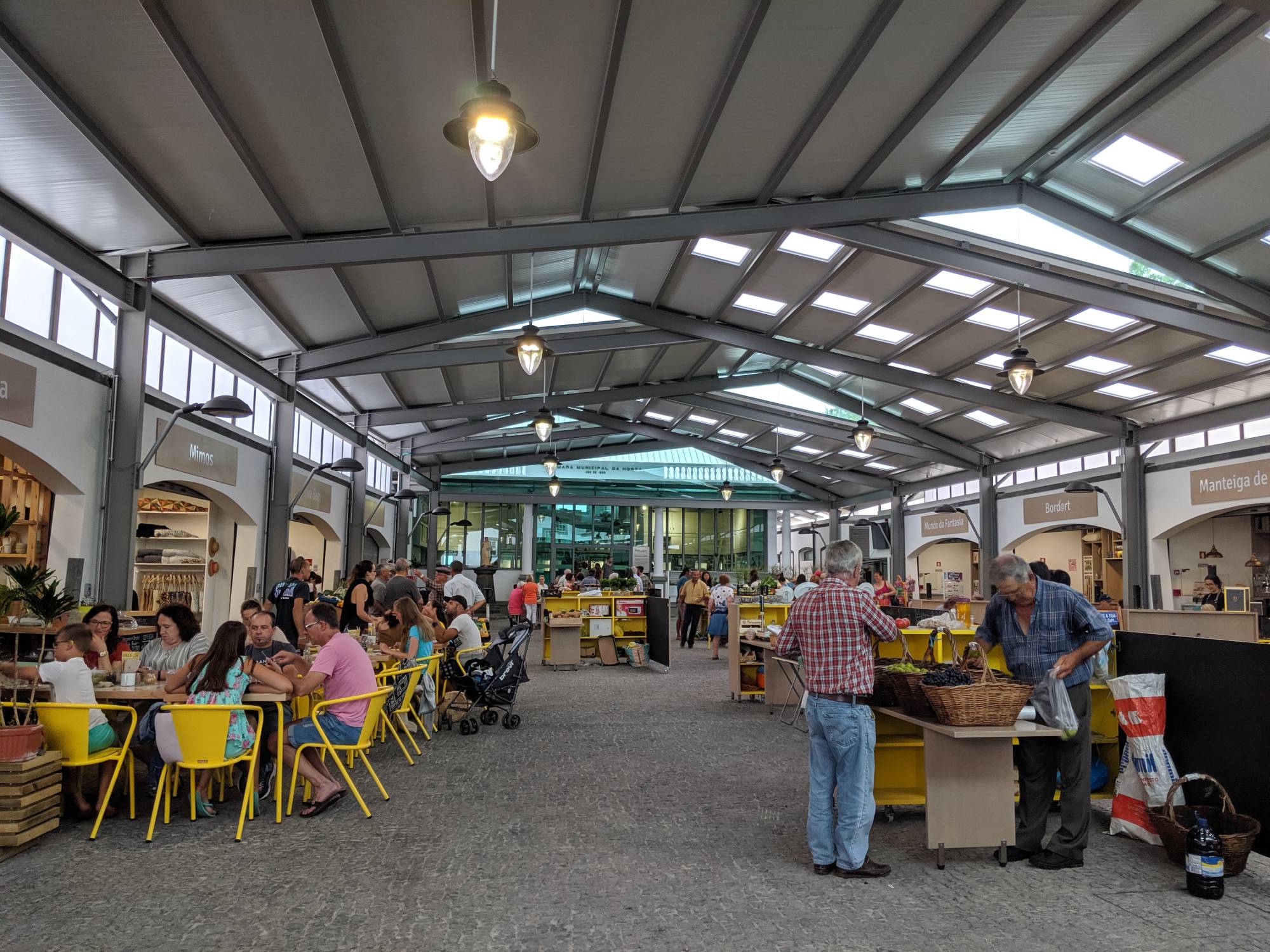
- Hospital: Horta has a small public hospital (Hospital da Horta) with an emergency department, general medicine, and some surgical capabilities. It handles most day-to-day and urgent needs. There are also health centers (Centros de Saúde) in Horta and in some parishes with family doctors and nurses.
- Specialist Care: For serious procedures or specialist treatment, patients are often evacuated by helicopter or ferry to São Miguel or even Lisbon, depending on urgency. However, common healthcare needs (childbirth, minor surgery, routine scans) can usually be done on Faial or via referrals.
Schools
Faial’s public education system covers pre-school through secondary:
- Pre-School and Primary: There are several kindergartens (jardim de infância) and an elementary school in Horta, Escola Básica Integrada Da Horta.
- Secondary: The high school (Escola Secundária Manuel de Arriaga) is in Horta and serves the whole island. It offers the standard Portuguese curriculum; popular subjects include languages, sciences and business. Class sizes are small (several dozen students per grade). There’s also a vocational school specializing in maritime skills and tourism.
- Quality and Alternatives: By Azorean standards, Faial’s schools are decent but there is a lack of secondary school choices. Teachers are professional, but resources (labs, tech) lag behind mainland. There is no international or English-language school on Faial (or any Azorean island).
Getting Around

With an area of just 66 km², Faial is compact but transportation is essential:
- Car: Most households have a car. Roads connect all parts of the island; the main Horta–Almoxarife–Praia do Almoxarife road is especially good. Gas stations are in Horta, Almoxarife and Feteira. A small car is often enough given size, though SUVs are popular in winter for rough weather.
- Bus: The intercity bus (Farias) runs routes connecting Horta, Praias and Almoxarife every 1–2 hours on weekdays. Tickets are cheap but schedules are limited.
- Taxi: Available 24/7 in Horta. Handy for airport transfers or nights out, but not a daily commuter option.
- Air: Faial Airport (HOR) is about 5 km north of Horta. Azores Airlines offers almost daily flights to Lisbon (2.5 hours) and Ponta Delgada (55 min). You will also find direct flights to other Azores islands, including Flores and Corvo, but these are much less regular.
- Ferries: Atlanticoline ferries connect Faial–Pico and Faial–São Jorge (via Pico/Velas) regularly in summer, less so in winter. The Faial–Pico ferry (Faialense) takes ~20 minutes (Horta to Madalena) and runs at least once or twice daily year-round (more often April–Oct).
Overall, public transport is decent for an island of this size, but most locals drive. The excellent ferry link to Pico and daily flights to Lisbon make Faial one of the easiest Azorean islands to access.
Climate and Weather
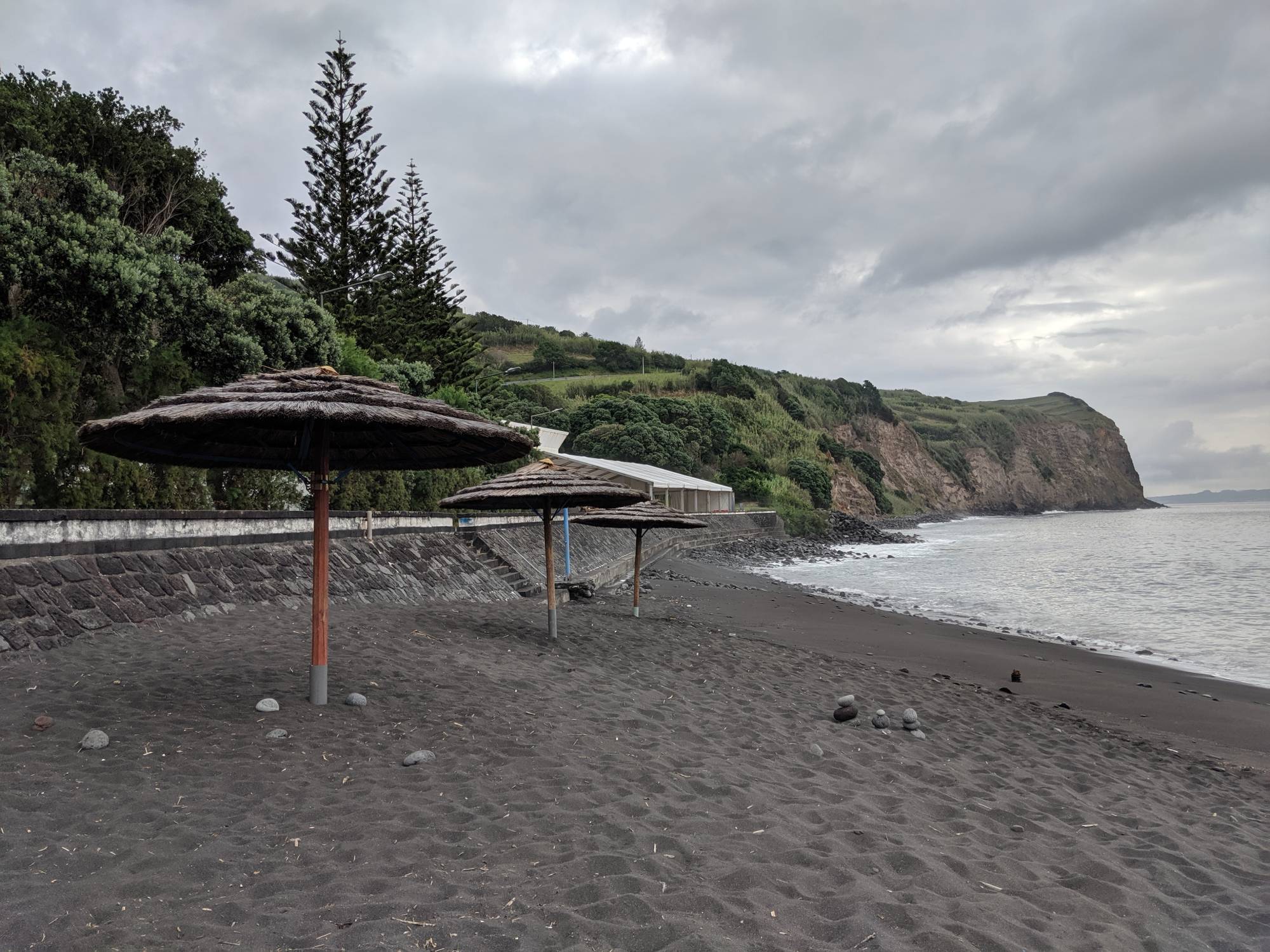
Faial’s weather is mild and oceanic, yet prone to quick changes:
- Temperatures: The island’s lowlands see average highs about 20–25°C in summer and around 15°C in winter. Night lows seldom go below 10°C even in January. The broad temperature range (day vs night) is small.
- Rainfall: Faial is quite wet – particularly between October and March. It could be described as “humid subtropical”, meaning rainfall is heavy (often 1,000+ mm/year) and spreads over many days. July is usually the driest month.
- Winds and Fog: The Azores high winds hit Faial’s west side hardest, while the Caldeira often traps low clouds (local nevoeiro). Horta may be foggy at sea level if the volcano’s crater is cloud-covered, and summit-level conditions can be very different. In winter, Atlantic storms can bring gale force winds and spindrift – roofs and power lines are occasionally damaged during big storms.
- Sunshine: Summers bring plenty of sun, though even then, passing clouds are common. Spring and autumn are mixed. Faial gets its fair share of sunny beach days (ideal for boating), but also several overcast, rainy weeks each year.
Adaptation: Islanders dress for all seasons. Many have high-quality rain gear. The climate makes Faial incredibly green, but also means outdoor plans must be flexible.
Will I Need to Learn Portuguese?
While you can manage with English in tourist spots (especially Horta), Portuguese is effectively necessary for full integration on Faial. Locals appreciate when you make an effort: even knowing basic greetings goes a long way. Key points:
- Daily Life: Shopping at the mercado, speaking with your landlord or neighbor, and navigating bureaucracy (bank, mail, council) generally requires Portuguese. Many older Faialenses speak little English, though younger people often do.
- Healthcare and Schools: Appointments at the health center or school meetings will be in Portuguese. If you have children, they’ll attend Portuguese-speaking classes unless you home-school.
- Community Events: If you want to join a village festa, church group, or local sports club, speaking some Portuguese is essential. Most festivals and meetings are not bi-lingual.
- Citizenship/Residency: To become a Portuguese citizen, you must pass a Portuguese language exam (A2 level). Learning the language can also help you navigate the legal process more smoothly.
Given Faial’s welcoming nature, new residents often organize or join language exchange groups. Many find that picking up Azorean dialect terms and casual speech happens naturally over a year or two.
Pros and Cons of Living Here
Pros:
- Sailing and Boating Culture: With Horta’s world-famous marina, Faial is a yachtie’s paradise. Even landlubbers enjoy marine vibes – whale-watching, local fish markets, and seafood cuisine are plentiful.
- Community and Safety: Crime is extremely low. Faial’s population is friendly; residents routinely help each other out. It’s easy to feel part of a community here.
- Infrastructure for an Island: Faial punches above its weight: good hospital, reliable ferries/planes, a university campus (UAc – Superior Technological School campus in Horta), decent schools, and all basic shops.
- Events and Culture: For such a small place, Horta has a lively cultural scene (art galleries, concerts, book fairs).
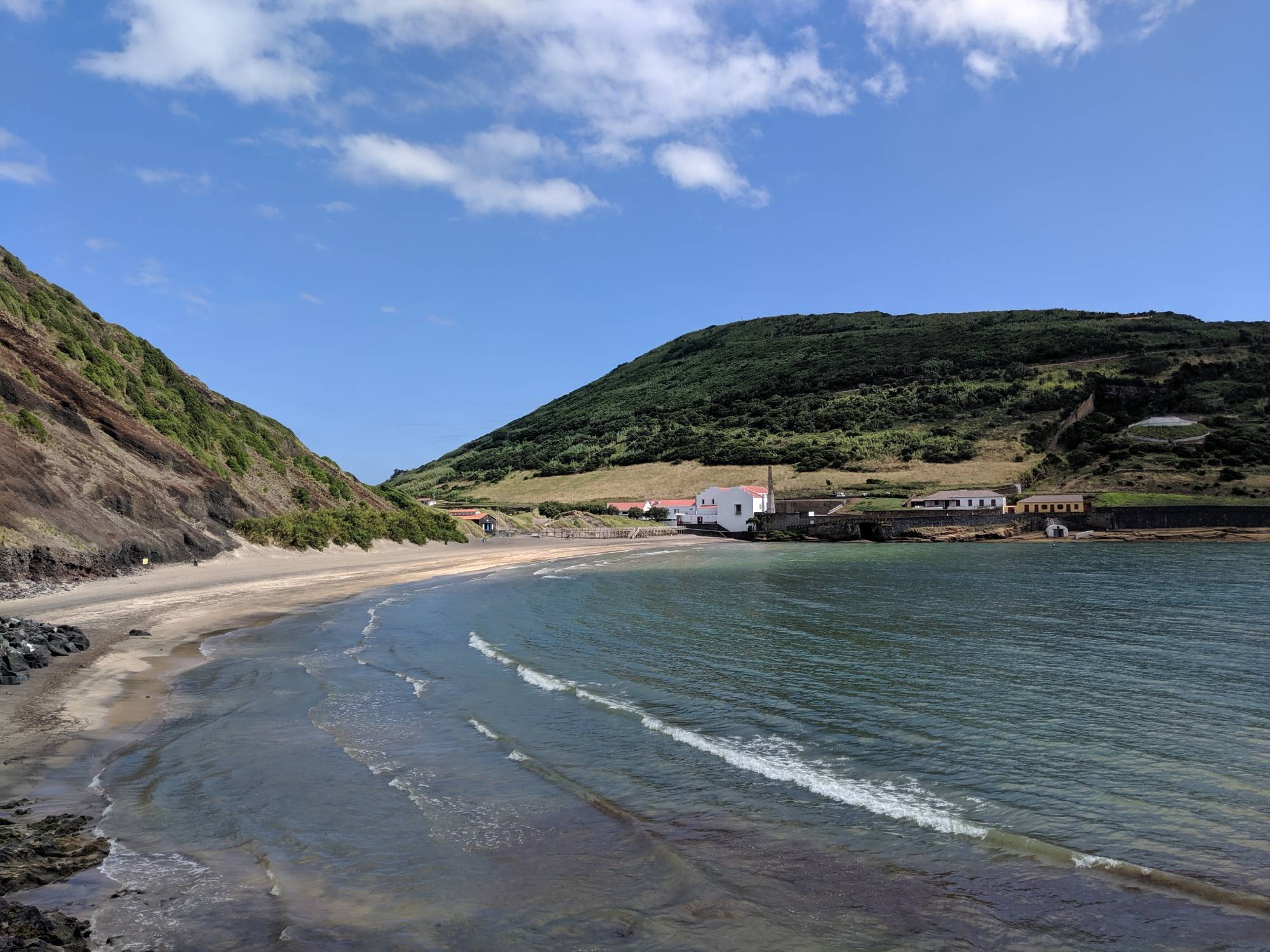
- Natural Beauty: Lush hills, hydrangea-lined roads, panoramic ocean vistas. If waterfalls, craters and starry nights excite you, you’re in luck. Faial’s green slopes and views of Pico’s volcano make everyday a postcard.
Cons:
- Weather: Faial is wet and windy. Fog can isolate the interior. Locals say the rain and gray skies in winter “gets into your bones.” If you hate carrying rain gear, this (or anywhere on the Azores) may not be for you.
- Limited Job Market: Outside tourism, marina services or government, job options are narrow. For career-minded folks, Mainland opportunities are often better. Most expats are either retirees or can work remotely.
- Small Island Syndrome: There’s no hospital with every specialty, no big supermarkets or malls. If you love endless shopping or gourmet dining, you’ll find Faial lacking. Urban conveniences require trips to São Miguel or Lisbon.
- Volcano Earthquakes: Faial sits on seismic fault lines. Minor quakes happen occasionally, and a significant 1998 earthquake (preceding a small eruption) is in living memory3.
Similar Locations
- Pico: Faial is often compared to Pico. Faial (Horta) has more services (airport, hospital, events) and slightly higher costs, whereas Madalena (Pico) is wilder and a bit cheaper.
- São Jorge: Also part of the “triangle,” with rugged cliffs and a similar volcanic feel. Life is slower and greener than Faial, with no airport (ferry only).
- Madeira: Warmer all-year, larger economy, and subtropical gardens. Funchal has many amenities, but you give up the Atlantic sails-and-craters ambiance.
Faial stands out as a unique mix of Azorean archipelago life – more developed than São Jorge, more intimate than São Miguel. It’s part of the famed “triangle” with Pico and São Jorge, offering easy hop-stops if Pico’s wildness or São Jorge’s cliffs call you.
Final Verdict: Who Should Move to Faial?
Faial is best for those who embrace both nature and convenience. The ideal newcomer might be:
- A sailor or boating enthusiast who wants a base in the Atlantic – here dozens of cruising yachts anchor and there’s a strong sailing community.
- A family or couple seeking safety and natural recreation on a small scale. Horta has enough services for families (schools, a clinic, shops) that it doesn’t feel as cut-off as some of the other islands.
- Remote workers or retirees drawn to the Azores’ quality of life but needing reliable connectivity. Faial’s airport is good enough that you can easily cross to and forth the mainland.
- Nature lovers who don’t mind cooler, wetter weather. If you enjoy hiking to volcanic landscapes, diving, fishing or whale watching, you’ll have plenty of options.
- Anyone wanting a peaceful life with a touch of “international” on the side. With Horta’s events and expats, you’ll meet people from all over, but always return to a tight-knit local community.
It’s not for everyone: if you need constant nightlife, immediate access to specialized healthcare, or ultra-fast travel connections, São Miguel might suit better. But if you want an island that feels like “home” in the Atlantic, where you can see your neighbors on a hike and still catch that flight to Lisbon a few times a week, Faial could be perfect.
Footnotes & Sources
- According to Wikipedia
- According to Wikipedia
- The earthquake was strongest in Faial. Around 10 people died and 90 were injured: https://www.upi.com/Archives/1998/07/09/UPI-Focus-Strong-earthquake-kills-10-in-Azores/4980899956800/