
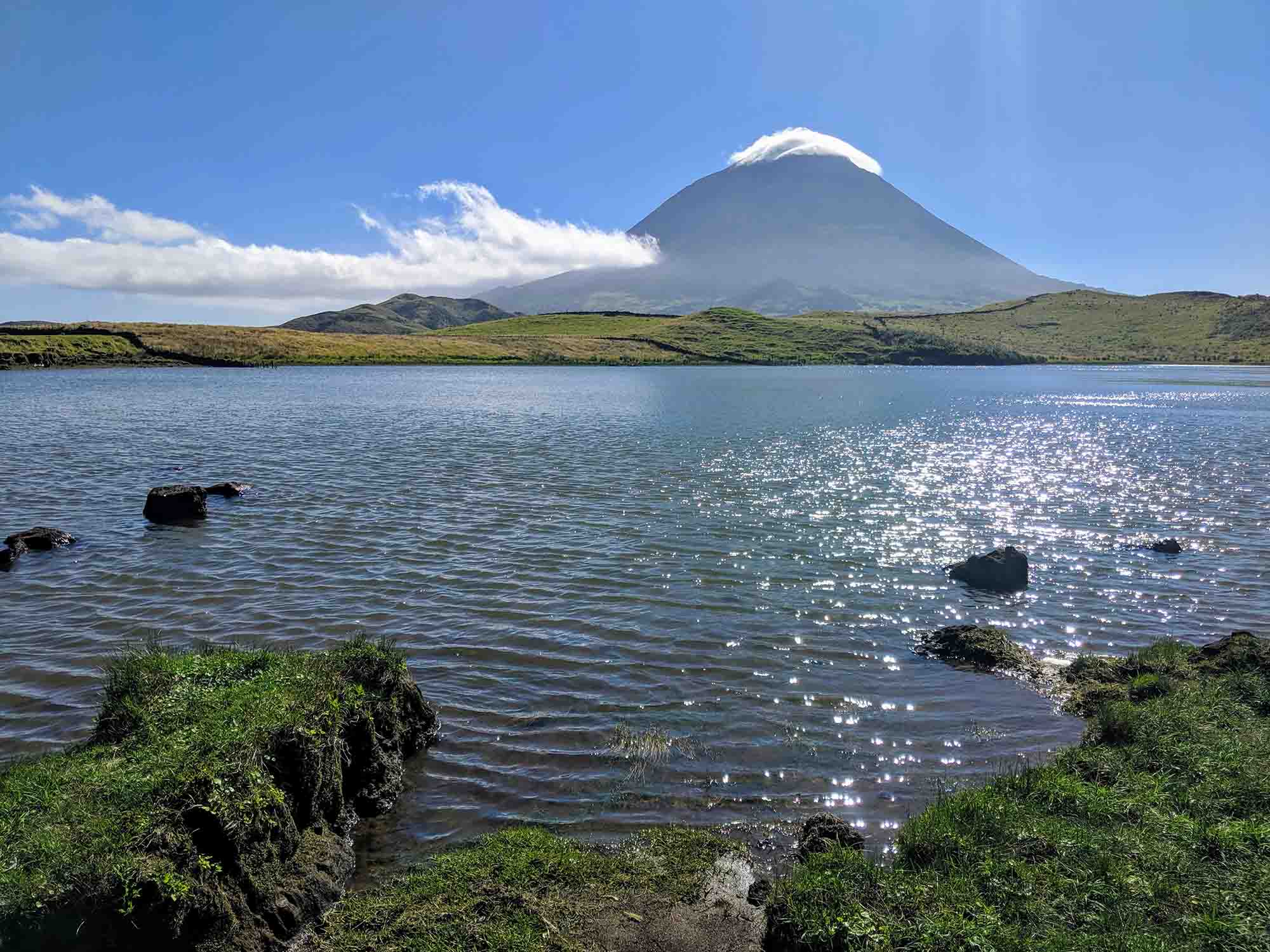

Pico Island is known as “the black island.” It is dominated by its 2,351-meter volcano, a constant reminder of its dramatic natural setting. With about 14,000 people 1 spread across small towns and farming villages, life here is quiet, rural and community-driven. Daily life in Pico centers on simple routines: tending vineyards, fishing, and visiting nearby neighbors.
The pace is very slow – people usually drive into Madalena, São Roque or Lajes do Pico for errands and socializing (these are the island’s main hubs). The island’s long maritime history has fostered a culture of hospitality, and many locals still trace family ties across the channel to neighboring Faial.
Expect the friendliness of a small town but also the logistics of remote island living – supply ships, weather delays and one airport flight or ferry between you and the rest of Europe.
Quick Take: Is Pico Right for You?

- Nature & Scenery: Home to Portugal’s highest peak (Mount Pico) and a UNESCO wine landscape. Excellent for hikers, whale-watchers and photographers, with hikes through vineyards and plunging coastlines.
- Climate: Mild but wet and changeable. Average summers ~22°C, winters ~14–17°C, but rain and fog are frequent year-round. Dress in layers and always carry rain gear.
- Lifestyle: Rural and communal. Islanders often know each other, and life revolves around family, church and the vineyard. English is widely spoken in tourism and expat circles, yet Portuguese is needed for official matters. Expect little nightlife beyond local bars or summer festivals.
- Cost: Generally cheaper than Lisbon/Porto for basics, but groceries from abroad can be pricier and stock can run out between shipments. Property prices have jumped, partly from tourism demand.
- Connectivity: Travel in/out depends on flights and ferries. São Miguel (Ponta Delgada) and Terceira are main connections. Weather can disrupt links – many residents build “buffer days” into plans.
- Community: A growing expat population (often retirees, remote workers, or those running guesthouses). Locals value peace and order: crime is virtually nil. If you thrive on nature and community, Pico can feel like paradise; if you crave urban amenities, you’ll find it limiting.

What’s It Like to Live Here Year-Round?
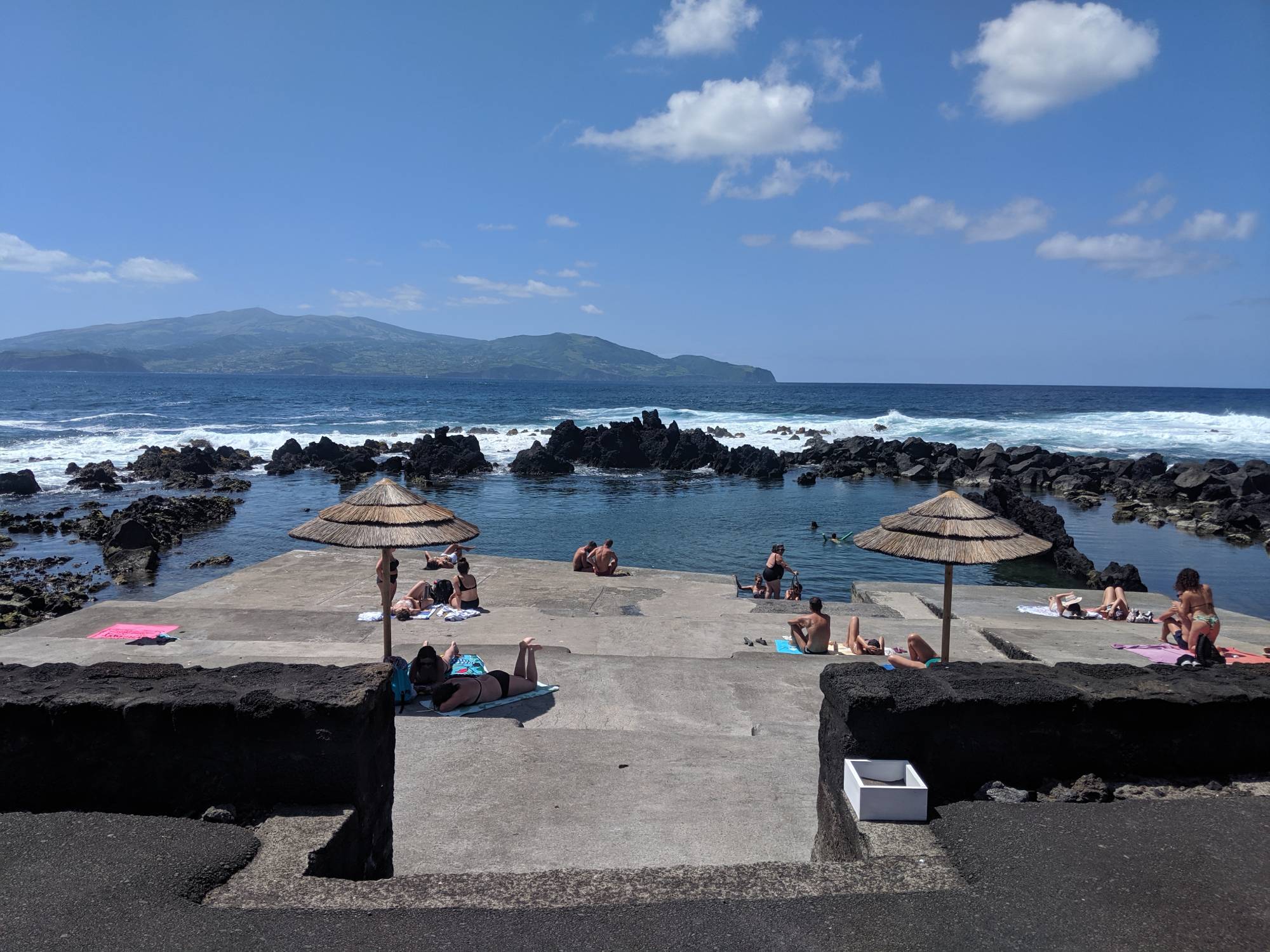
Living on Pico is a trade-off between spectacular nature and isolation. Days are tied to nature’s rhythms: you might start with a swim in one of Pico’s natural pools (like Arcos do Cachorro) or a sunrise hike up forest trails.
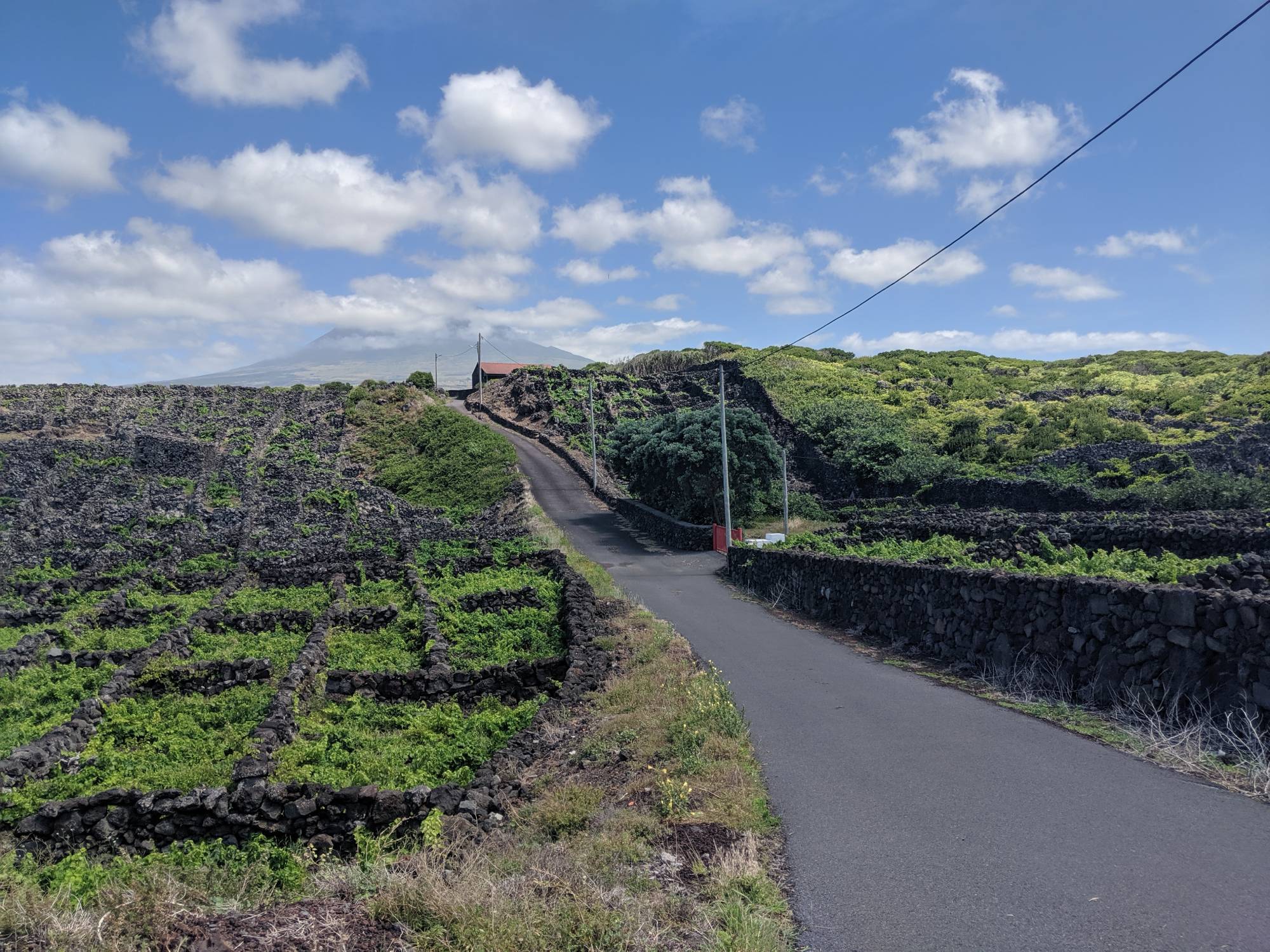
Locals often catch or farm their food – tuna, limpets and home-grown vegetables are common. Pico’s unique tiny vineyards (planted in the black lava fields called currais) produce the famous verdelho and arinto wines. 2
Winters are mild but very wet and windy. Rainstorms and Atlantic gales roll through frequently; summer storms can pop up even on clear days (the climate is famously unpredictable). Because of this, homes are built sturdily, and culture is very inside-out: family gatherings, cozy cafés, and enjoying the local sopa (fish stew) over long dinners.
Spring and summer see peak activity. Whale-watching boats launch from Lajes or Madalena; hikers tackle Mount Pico (always checking weather before the ascent). The island blooms with hydrangeas and wildflowers. Festivals (like the grape harvest events) bring even small villages to life. If you love outdoor living, Pico delivers: in one week you can hike a volcano, dive with dolphins, tour a vineyard, and still have time to relax by the sea.
Overall, expect quiet days but endless views. It’s rewarding but demands flexibility for the occasional travel or weather hiccup.
Best Towns and Areas to Live
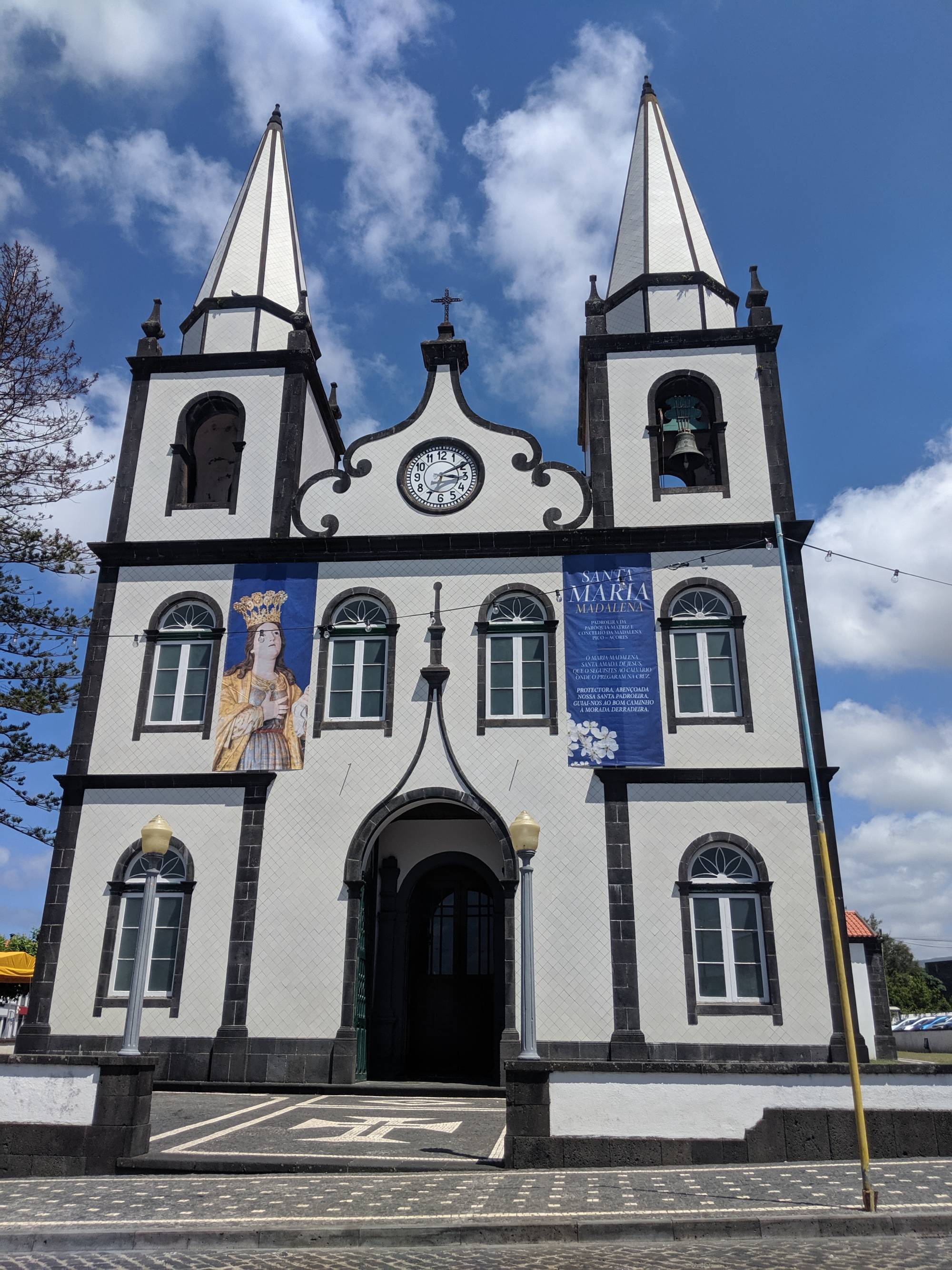
- Madalena: The largest town (≈5,000 people) and administrative center. Home to supermarkets, banks, shops, and the island’s airport. It’s the most “urban” spot on Pico – ideal if you want services and restaurants within walking distance.
- São Roque do Pico: A smaller fishing village on the northern coast (≈3,200 people). It has a genteel charm, with wine cellars and a seaside promenade.
- Lajes do Pico: The southern port town (≈2,000 people). It’s quieter, known for whale-watching tours and volcanic beaches. Lajes feels more rural; fishers and farmers dominate life here. Choose Lajes for solitude and ocean views, but note services (shops, cafes) are very limited outside Madalena/São Roque.
- Small Villages and Countryside: Pico’s other parishes (like Santo Amaro, São Mateus) are sleepy hamlets of vineyards and farms. Properties here can offer big land and tranquility. Roads are good, but without a car you’d be very isolated. Some expats renovate stone cottages in these hills.
Because the island is small, driving anywhere takes at most 30–40 minutes.
Pick your home based on how much solitude or convenience you want: Madalena and São Roque have all you need nearby; Lajes and villages offer scenic quiet.
Renting & Buying Property
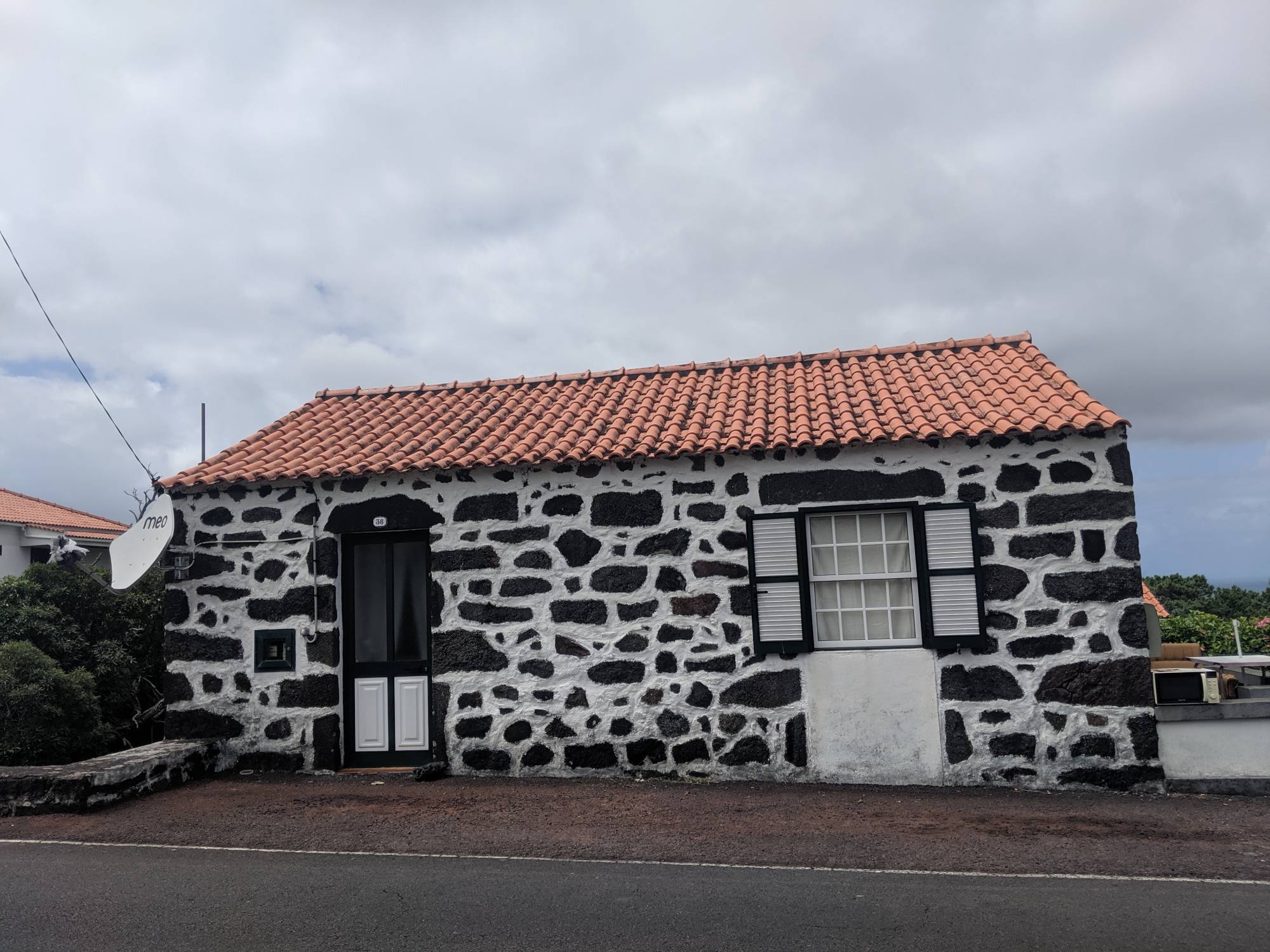
Pico’s property market has tight supply and rising prices (as on the rest of the Azores).
- Buying: Pico typically has more properties for sale than some of the smaller islands like Graciosa, Flores, or Santa Maria. Prices are similar to mainland Portugal, with a few bargains to be had here and there. A lot of the properties for sale are plots or ruins, so be sure to factor in the challenges and costs of renovating a property on an island.
- Renting: There are a handful of properties to rent, usually for around €700 per month. Finding rentals can be challenging as demand for long-term rentals is low and most landlords focus on short-term rentals instead.
Cost of Living
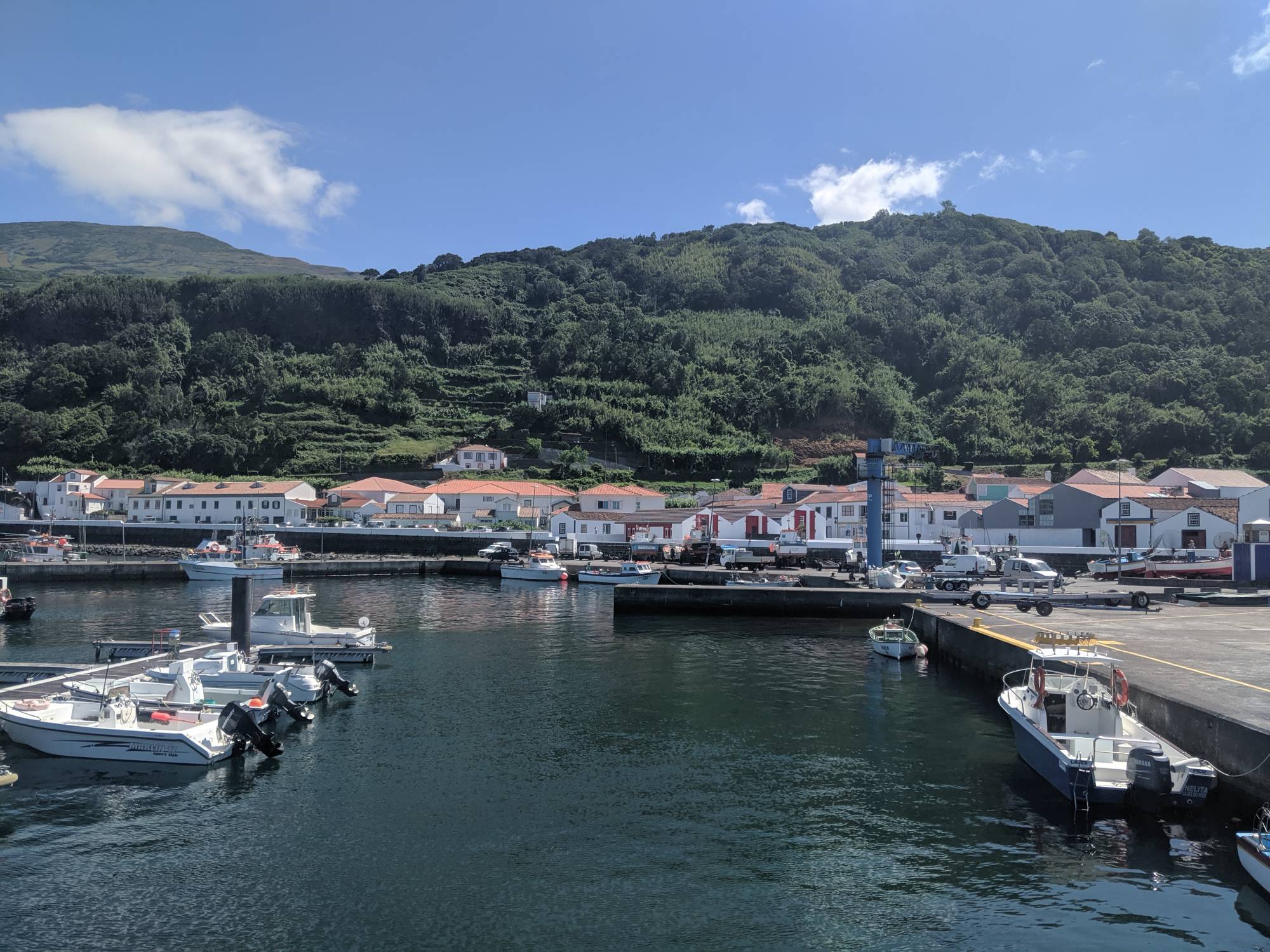
Daily expenses on Pico are reasonable but islandly.
While rental and property purchase prices are on par with mainland Portugal, the biggest increase in costs will be in areas like cars and groceries.
Thankfully, there are several grocery stores on Pico and you aren’t reliant on small convience-sized stores. Madalena, for example, has a Pingo Doce and a Continente Modelo.
Healthcare
On Pico, medical facilities are basic. There is no hospital on the island. Instead:
- Health Center: In Madalena there’s a health clinic (Centro de Saúde) with general practitioners, nursing, and an emergency room for minor injuries. The clinic’s Facebook page posts whenever a specialist doctor is visiting. There are also smaller health posts in São Roque and Lajes. Prescription drugs are available at pharmacies in all three towns.
- Hospital Access: For anything beyond first aid or routine care, patients must travel. The nearest full hospital is on neighboring Faial (Hospital de Horta) and major hospitals in São Miguel or Terceira. Emergency patients are med-flighted or ferried off-island, which often residents note is a serious downside of island life.
- Overall: Day-to-day healthcare on Pico is adequate if you’re healthy, but expect any specialist care or major emergency to involve transport to larger islands. Older retirees especially should plan accordingly (e.g. carry medications and have a plan for off-island care).
Schools and Family Life
Education on Pico is entirely in Portuguese via public schools:
- Basic Education: There are several combined primary and secondary schools across the island (Madalena, São Roque, Lajes) such as Escola Básica e Secundária da Madalena, Escola Básica e Secundária de São Roque do Pico, and Escola Básica e Secundária das Lajes do Pico.
- Quality: Schools provide a good basic education; English is taught but fluency varies. There are no international or bilingual schools on Pico. If you have school-age children, know they will quickly immerse in Portuguese. Many expat families supplement with homeschooling or Skype tutoring for English.
- Higher Education: No universities on Pico. For university or specialized secondary education, older teens usually relocate to São Miguel (Universidade dos Açores) or the mainland.
Overall, Pico can raise children well in a safe, natural environment. Families should be proactive in language support and consider visits to other islands for diverse experiences.
Expat Life
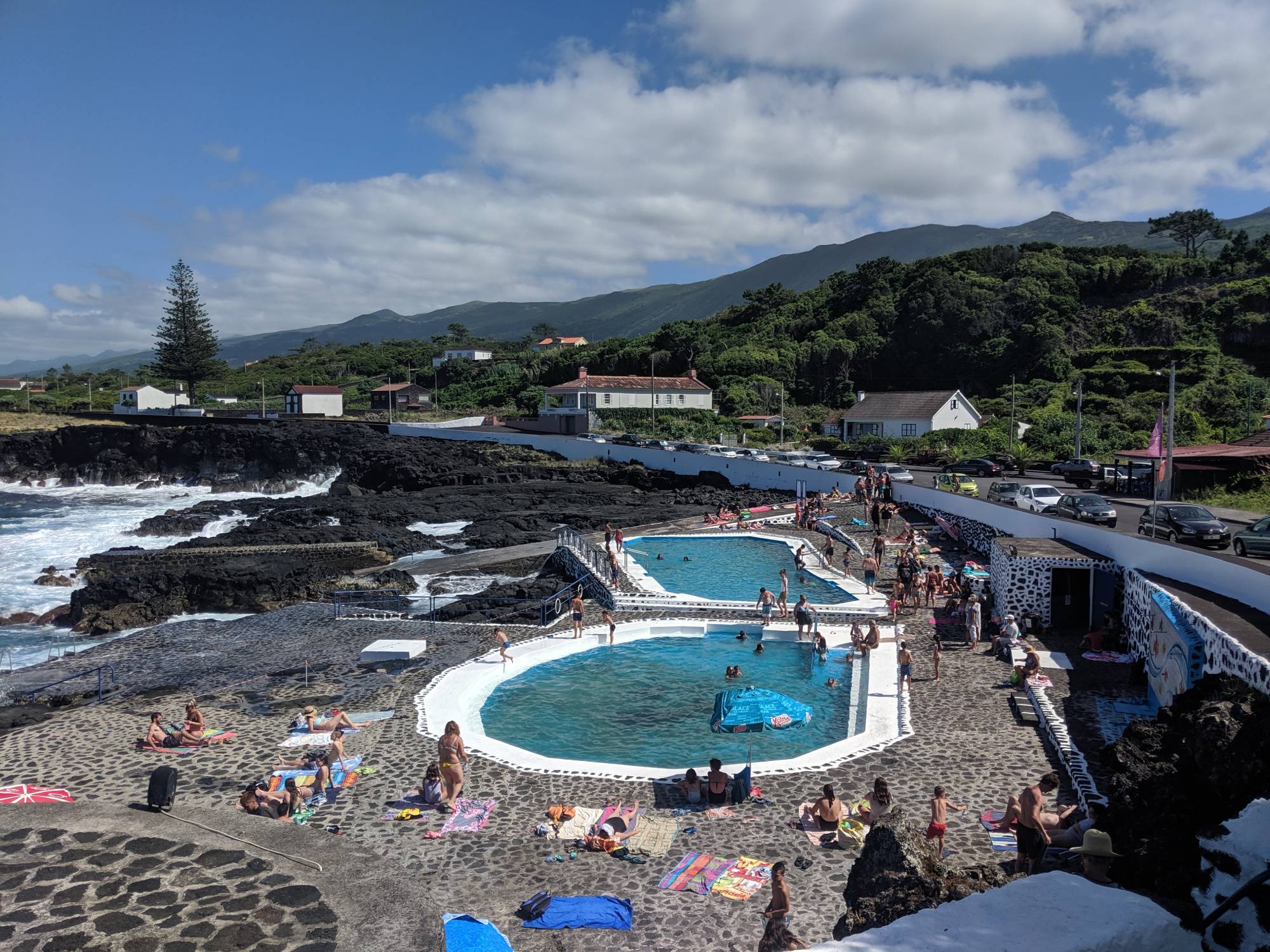
Pico’s expat scene is relatively small but growing. Many newcomers come for the lifestyle rather than career: retirees, creatives, remote workers, and eco-enthusiasts. There are pockets of Dutch, German, and American residents, often forming tight communities (for example, in São Roque and Madalena).
Compared to São Miguel or even Terceira, you won’t find large international clubs. Instead, expats integrate via local channels: volunteering (community gardens, church events), renting/leasing deals, and the few Facebook groups for Azores expats (such as Expats in Azores and Expats Pico Azores).
English is spoken in tourist businesses and by younger Portuguese, so you can often get by without Portuguese at first. But long-term residents emphasize that learning Portuguese and joining local events is key to feeling at home.
That said, isolation can be an issue. Some expats find Pico wonderfully peaceful; others feel lonely in winter months. It helps to visit before deciding: see how you cope without familiar fast-paced services. If you thrive on nature and simplicity, you’ll find Pico’s expat network warm.
Getting Around
Pico’s transport is limited but workable:
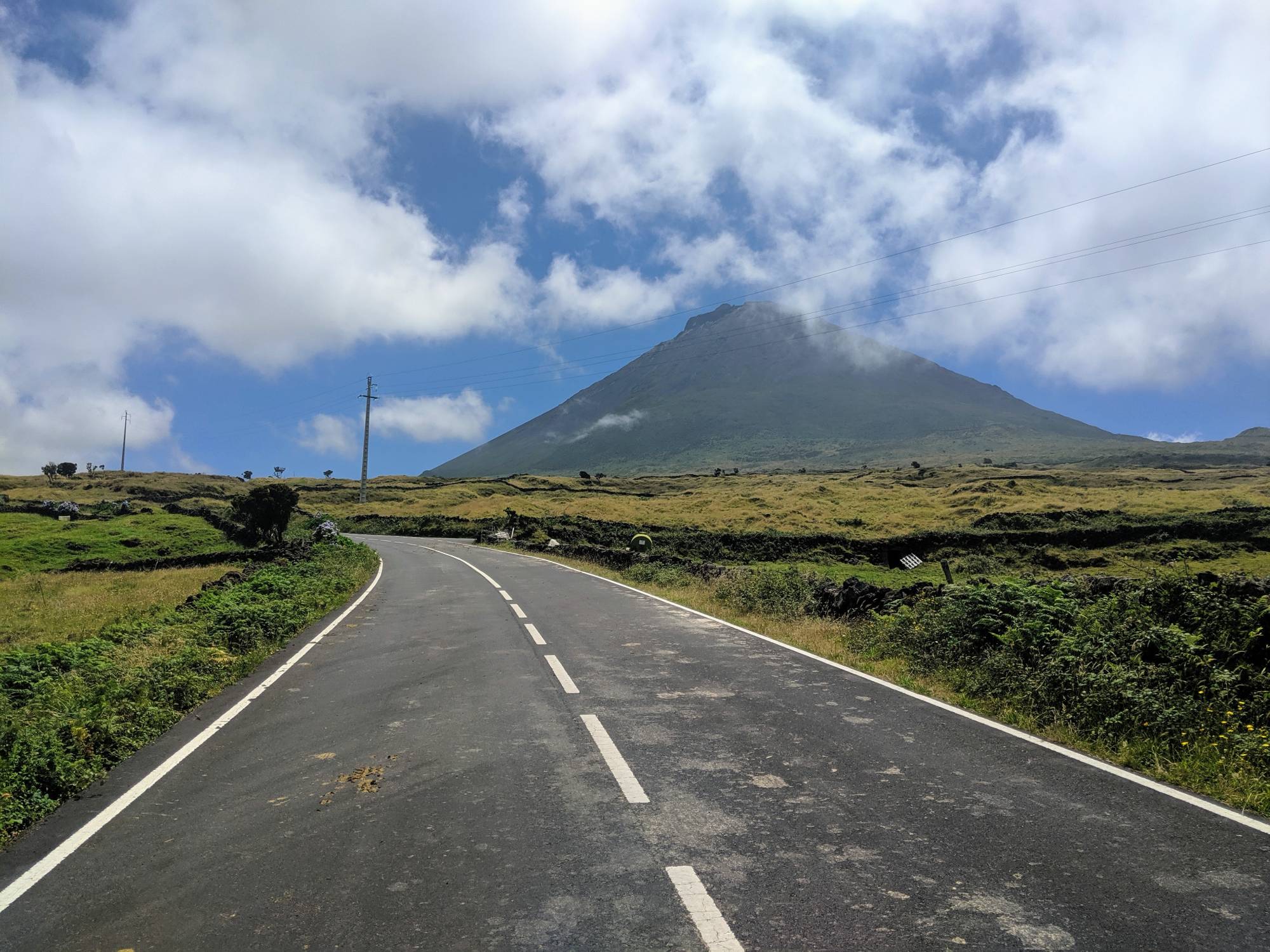
- Car: Most residents use a car. From end to end takes around 30–40 minutes.
- Bus: The local bus (UTC) runs a few routes (e.g. Madalena–São Roque, Madalena–Lajes) a handful of times daily. There is an app for both Android and iOS.
- Taxi: Taxis exist in Madalena (and sometimes São Roque).
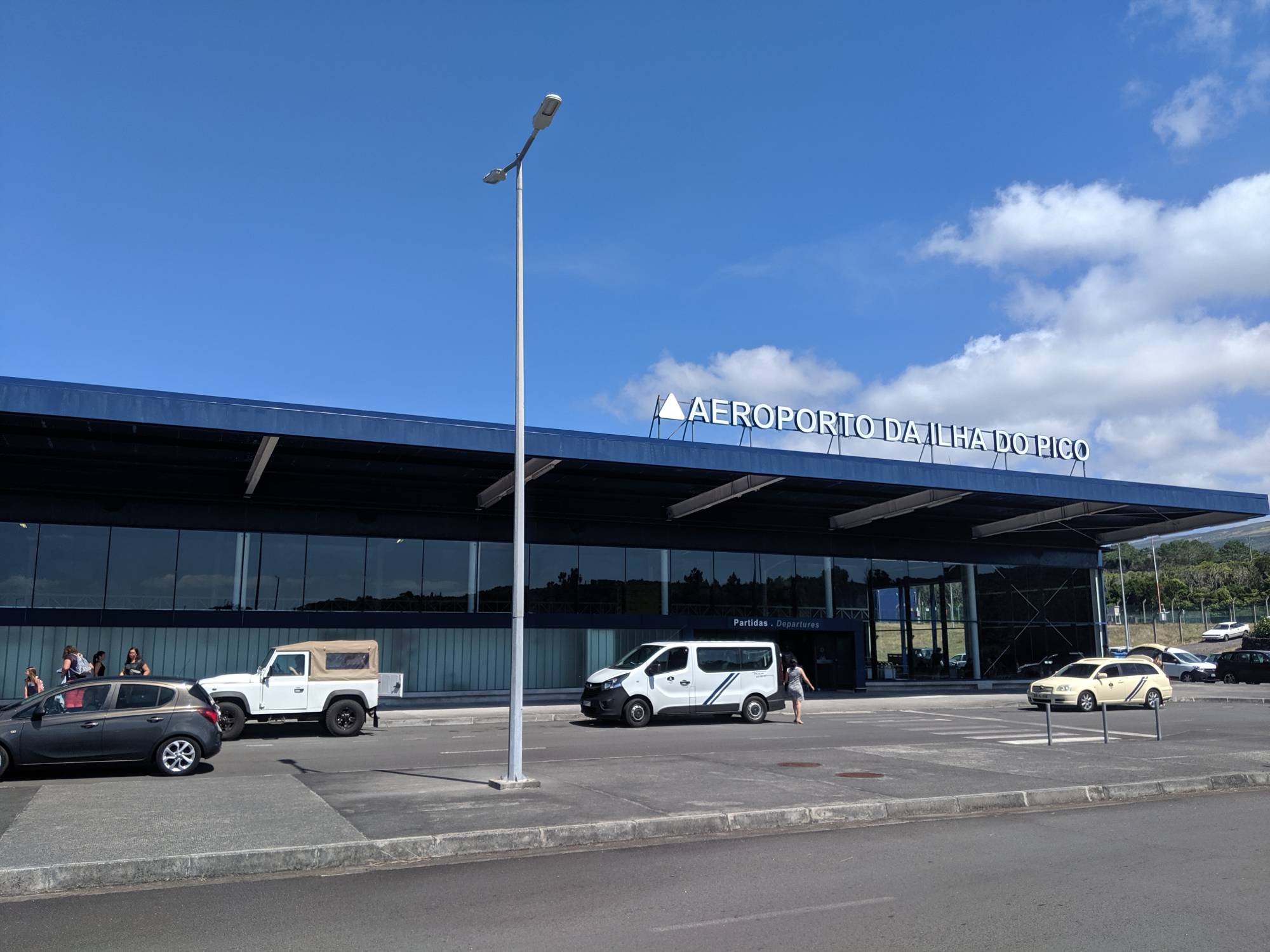
- Flights: Pico Airport (PIX) has daily Azores Airlines flights to Ponta Delgada (São Miguel) and a couple per week to Terceira (schedule can vary seasonally) as well as some direct flights to Lisbon. Flights are frequently cancelled or delayed by fog/wind, so always have a buffer day for important travel.
- Ferries: Atlanticoline ferries connect Pico to Faial (~30 min) and São Jorge (via Faial sometimes).
- Boats & Diving: Given the whale-watching culture, some locals have boats. Swimmers and divers often launch from Lajes, where sea conditions are calmer. Otherwise, most travel off island or reach remote coves by car to a hiking trail.
Climate and Weather
Pico’s climate is mild oceanic but notoriously capricious. Key points:
- Temperatures: Typical lowland temperatures range from 14–22°C across the year. It very seldom gets very cold or very hot.
- Rainfall: Pico is one of the wettest Azores islands. Annual rain is around 1,000–1,500 mm (Porto dos Carneiros on the northeast coast gets on the high end). Rain is spread fairly evenly, though fall and winter are wetter. It’s common to have rain showers or mist on many days.
- Humidity & Wind: Humidity is high (75–85% year-round), and Atlantic winds can be strong, especially in winter. Winds can change quickly, too.
- Sunshine: Days can shift from sun to cloud to rain rapidly. This “four seasons in a day” phenomenon means packing layers and rain gear for most outings.
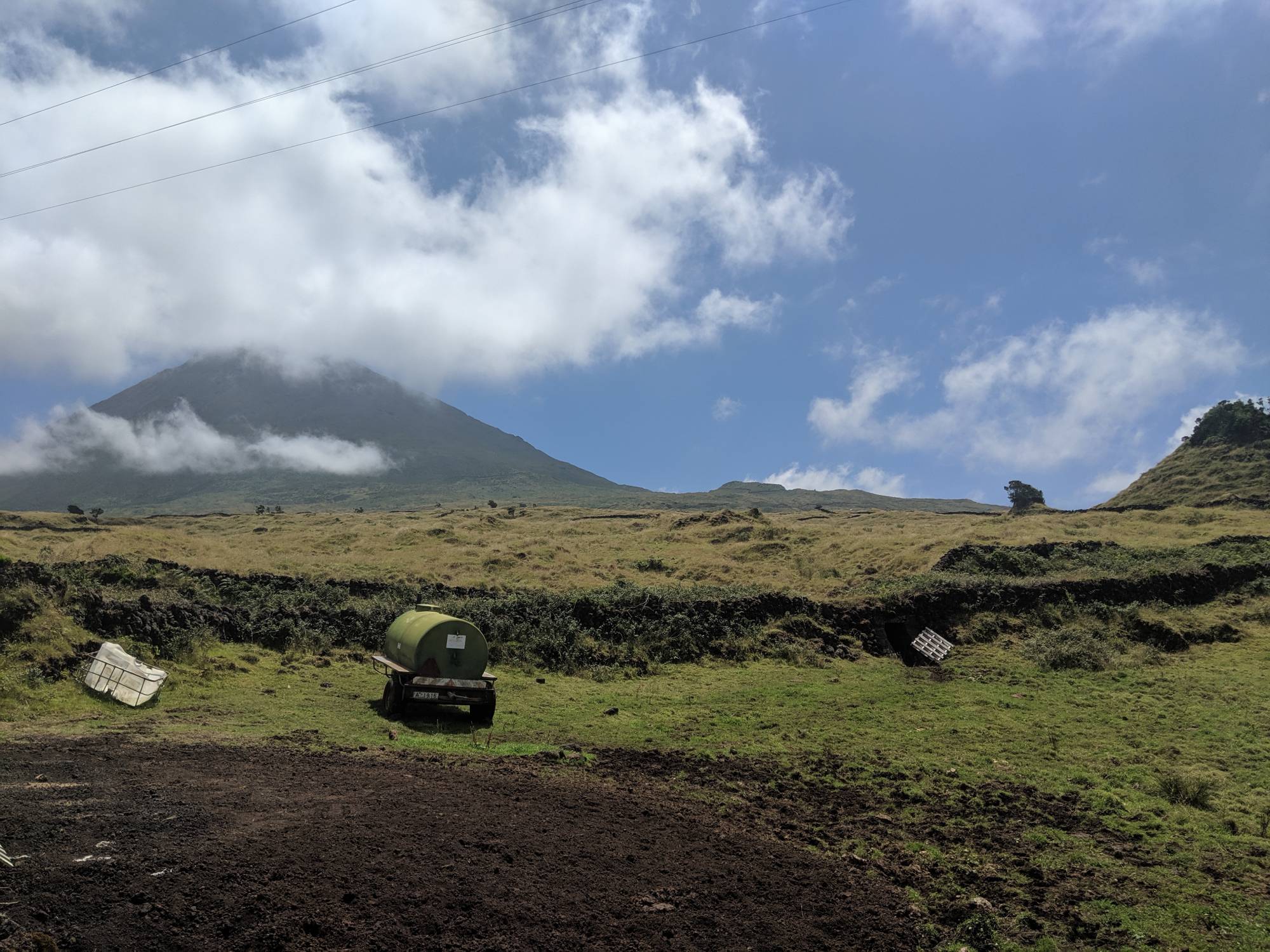
- Mount Pico Influence: The volcano itself creates microclimates. The summit often sits in clouds while the coast below is sunny. Snow can dust the peak in winter, even as sailors in Madalena wear short sleeves.
In practice, plan your week around weather windows. Pico can have extended gray, wet periods, especially late fall to early spring. Travelers and locals alike note that “if you don’t like Pico’s weather, wait five minutes.”
But the lushness and abundant water also mean the island is incredibly green and fertile.
Pros and Cons of Living Here
Pros:
- Stunning Nature: You live on a volcano! Hiking Mt. Pico, vineyard-tours, whale-spotting and coastal swims are daily or weekend adventures. The wine and whaling heritage make for unique culture.
- Close-Knit Community: Pico is safe and neighbors look after each other. Many say you quickly feel like part of an extended family. Community events (festas, markets) give a warm local vibe.
- Low Crime: Near-zero crime rate (even safer than many rural areas), giving peace of mind for families and retirees.
- Authentic Azorean Experience: Pico retains an islander authenticity. You’ll learn Portuguese, partake in old traditions (harvest fiestas, Holy Spirit celebrations), and set down roots rather than just vacation.
Cons:
- Geographic Isolation: You are always at least one stop from the rest of Europe. Any flight involves connecting through Lisbon or Ponta Delgada. Flights/ferries can be canceled on bad weather. This can feel very limiting (no guaranteed quick weekend trips).
- Weather: The climate is spectacularly changeable and often wet. If you hate rain or wind, Pico can feel dreary. Conversely, long spells of rain can lead to cabin fever.
- Limited Services: Shopping beyond basics means trips off-island or using slow mail-order. There are no big malls, and many specialty goods (electronics, certain foods) are hard to find. Deliveries from non-Portuguese companies can be slow or it may be hard to get items delivered at all (as with all Azores islands).
- Narrow Economy: Job options are small-scale: tourism, agriculture or public sector. For most foreigners, remote work or passive income is needed. There are very few corporate jobs or industries.
- Social Adjustment: In such a small community, privacy is minimal. News and gossip spread quickly. Some newcomers find it intrusive or feel pressure to conform.
If You Like Pico, You Might Also Consider…
- Faial (Azores): Pico’s neighbor with a bit more urban feel (Horta) and a marina. Also volcanic, with a lively expat community (sailors, artists). Horta has more restaurants and flights.
- São Jorge (Azores): For equally dramatic landscapes (vertical cliffs, fajãs) but slightly less volcano and more greenery. Life is similar, just without the mountain.
Each of these shares some element of Pico’s charm (volcanic landscape, remoteness, close-knit life) while differing in climate or services. It’s wise to visit potential alternatives to feel the vibe.
Final Verdict: Who Should Move to Pico?
Pico is ideal for those who prioritize nature and simplicity over convenience. The ideal Pico resident might be:
- A couple or single person with steady remote income or savings (e.g. freelancer, retiree).
- Someone who thrives on outdoor life – hikers, fishermen, kayakers, wine enthusiasts.
- People who love community and don’t mind being known by name.
- Those willing to embrace “island time” – patience with weather, and readiness for the occasional shop run requiring a ferry.
- Anyone feeling burnt out by city noise and looking for a slower, safer lifestyle.
It’s not for everyone. If you need frequent flights, easy access to specialist healthcare, or a vibrant nightlife, São Miguel or Terceira might suit you better. But if you want towering volcanoes as neighbors and a life that’s intertwined with the land and sea, Pico can be the perfect getaway home.
Footnotes & Sources
- 13,883 according to the 2021 census
- Pico’s currais are small, rectangular plots on the volcanic island of Pico (Azores, Portugal) enclosed by low, hand‑built basalt‑stone walls. These walls protect the vines from strong Atlantic winds and salt spray, while also creating a microclimate that helps the soil retain rainwater in an otherwise rocky, lava‑rich landscape.