


Graciosa is a quiet, rural island in the central Azores, often called the “White Island” for its chalky earth and historic white windmills. At 61 km² with about 4–4.6K people1, it feels like a peaceful farming community.
Life moves at a leisurely pace here – neighbors still stop to chat on the street, and most villagers literally greet each other by name. Santa Cruz da Graciosa (the main town) and Lajes (a smaller village) are the population centers. The terrain is mostly rolling pastures and vineyards, not the dramatic cliffs of other Azores islands, giving Graciosa an open, gentle character.
This island suits people who value safety, community, and nature over nightlife or shopping – think of it as an Azorean idyll of windmills, wheat fields and cow pastures.
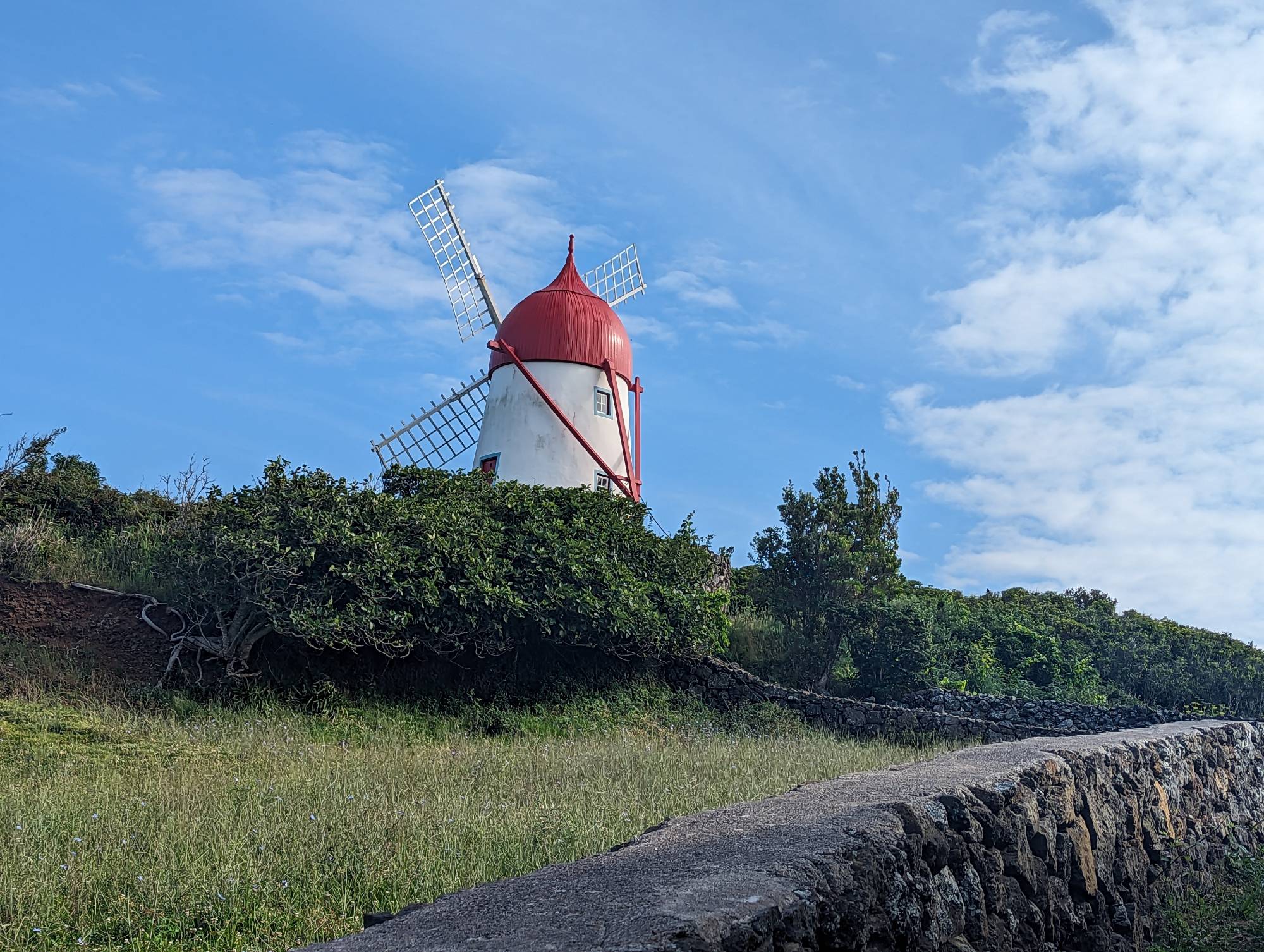
Quick Take: Is Graciosa Right for You?
- Very Small & Peaceful: Only ~4,600 residents. Everyone knows everyone. Expect tiny villages, almost no traffic, and few tourists year-round.
- Authentic Rural Life: Traditional agriculture dominates (dairy, beef, corn), and much of life centers on local farms and festivities. Crime is virtually zero.
- Limited Conveniences: Only a few grocery shops, restaurants and basic services. Serious shopping requires a trip off-island.
- Strong Community: Islanders welcome newcomers but privacy is limited. Good if you like friendly familiarity.
- Mild Climate: Warm summers (~23–25°C) and mild winters (~16°C highs). Graciosa is relatively dry and sunny by Azores standards.
- Affordable Housing: Cheaper than mainland city centers or bigger islands (ample farmhouse houses and plots available).
- Who It’s Best For: Families and retirees who cherish tranquility, hikers and cyclists who appreciate easy terrain, or anyone wanting an old-world island lifestyle. It’s not suited to those needing to fly outside of the Azores regularly or in need of an active social scene.
What’s It Like to Live Here Year-Round?
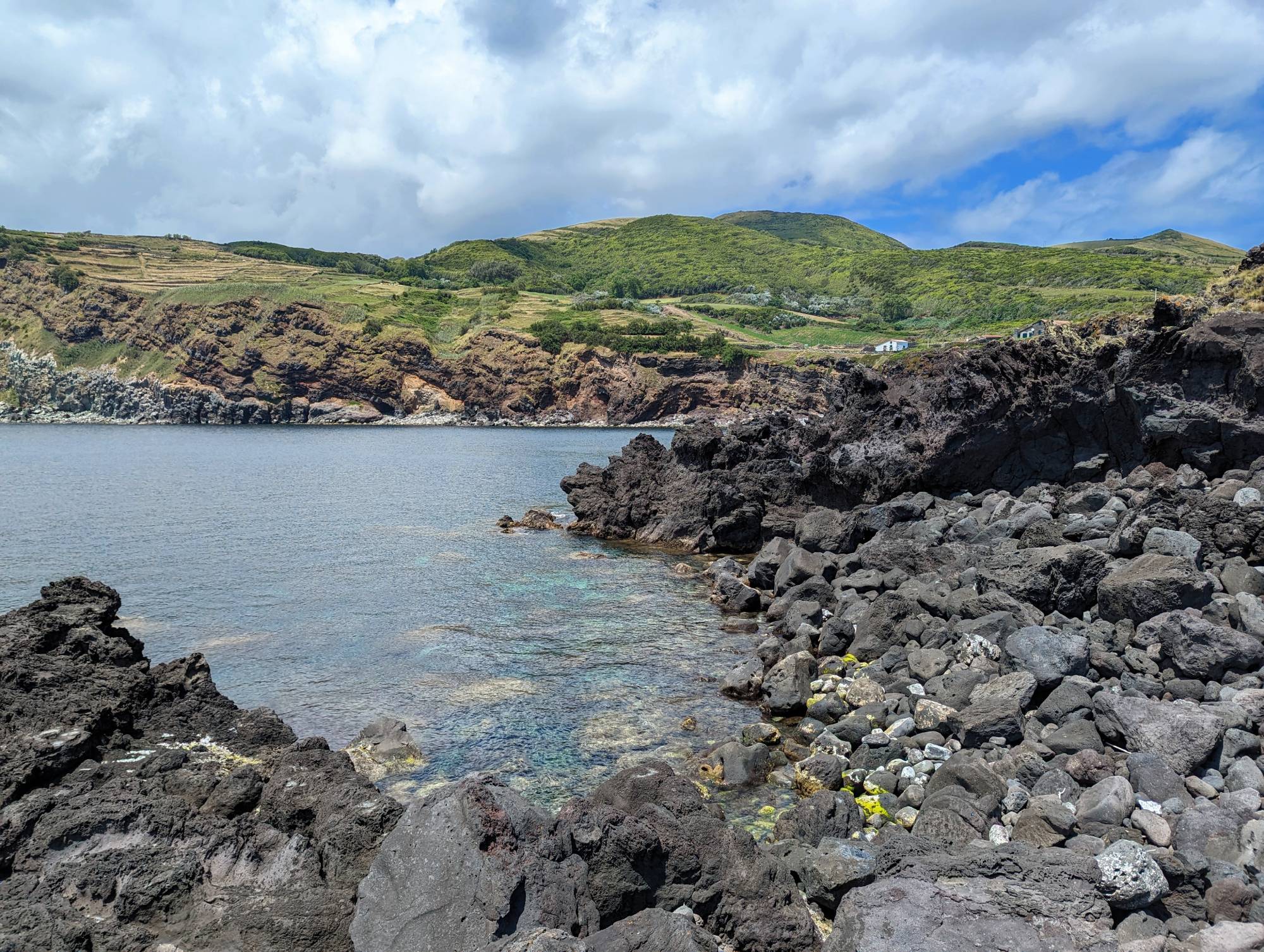
Daily life on Graciosa revolves around the sun and community. Farm mornings might start milking cows or feeding chickens before the village shops open. Summer days are warm and dry; winters are mild but can be windy. Graciosa is one of the driest Azores islands, so rain is less relentless than on Flores or Corvo. Even so, expect brief showers or drizzle several times a week.
People tend gardens and vineyards (Graciosa is one of Portugal’s smallest wine regions) or work at local cooperatives. Meat and dairy are local staples, so fresh cheese and beef stew are common meals. Barbecue culture (churrasco) is big; neighbors often share grilled meat on holidays.
There are a few simple bakeries and cafes in Santa Cruz and Lajes for pão (bread) and coffee. Weekly markets sell produce and the famous queijadas da Graciosa (cheese tarts).
Evenings are quiet: you might join a church festa (village festival) in summer or simply enjoy the stars with almost no light pollution. Grocery runs mean stocking up on basics on Lajes Day (market day) or venturing to Terceira by ferry for variety. The pace is slow – for example, shops often close at lunchtime and reopen late afternoon. Internet and cell coverage is decent in town but can be spotty in hilly areas.
In short, life here is self-sufficient and community-driven.
Best Towns and Areas to Live
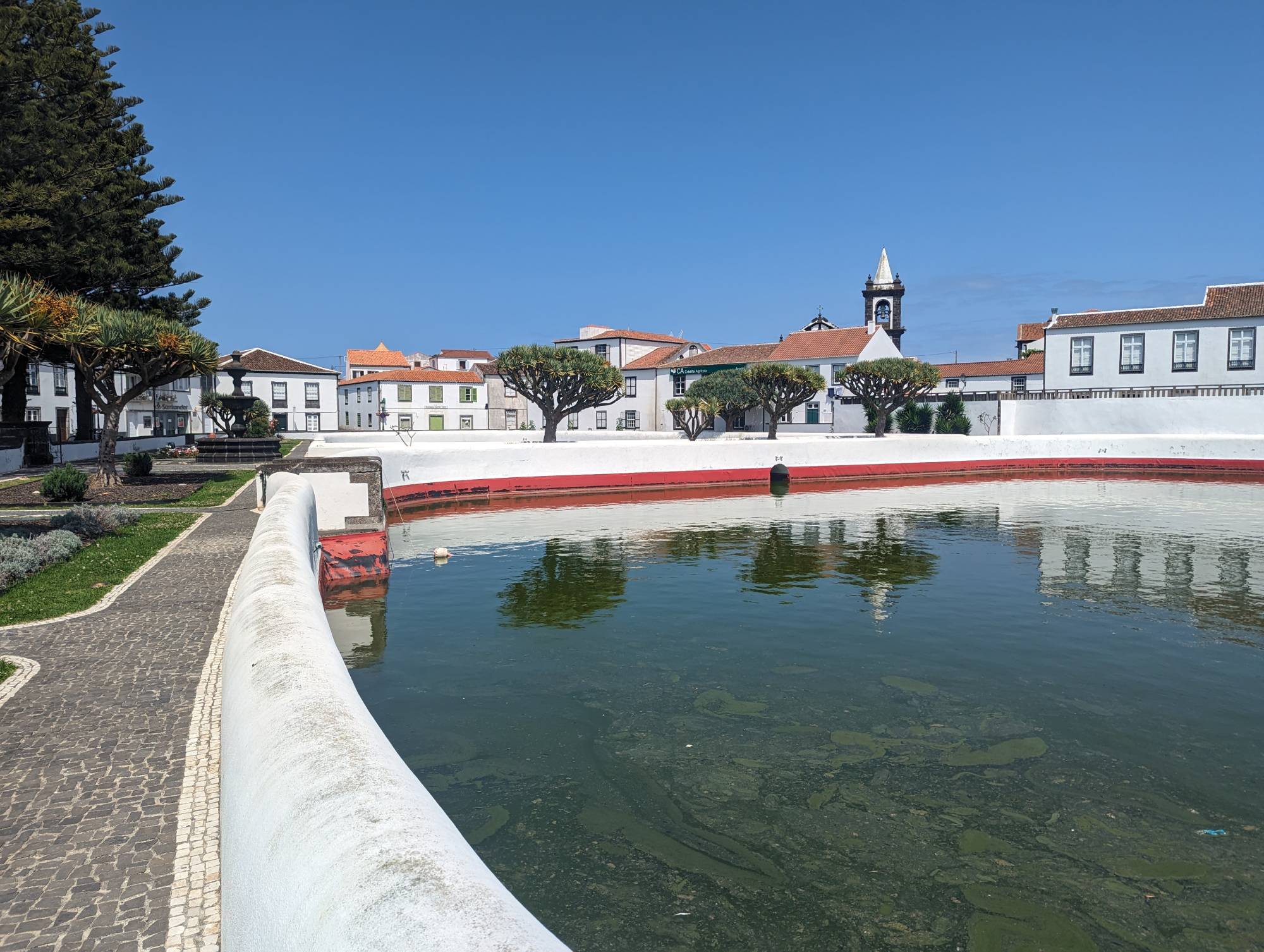
- Santa Cruz da Graciosa: The capital and largest town. It has the airport, ferry port, health center, bank, and most shops. Many locals live here or nearby villages (Luz, Santo Amaro). Its flat streets mean everything is within walking distance. Good choice if you want the most amenities.
- Vila da Praia (Lajes da Graciosa): A smaller picturesque village on the south side. It has its own cafes, a cultural center, and views of the Carapacho bay. The historic Hotel Carapacho (near the spa) is here. Best for sea views and quick ferry access.
- Praia ou Folga, Guadalupe, Santo Amaro: Tiny hamlets of a few dozen houses. Very peaceful and scenic (volcano caldera, lava fields). These are ideal if you want land and sea views, but require a car.
- Surrounding Villages: Treixedo, Luz, Ribeirinha, Bandeiras – mostly farmhouses and small residences. Road connections are good but public transport is minimal.
Because Graciosa is compact, no area is far from the capital. Land is plentiful (villages have spacious yards), so many opt for houses with gardens. Expect to negotiate directly or through local realtors.
Renting & Buying Property
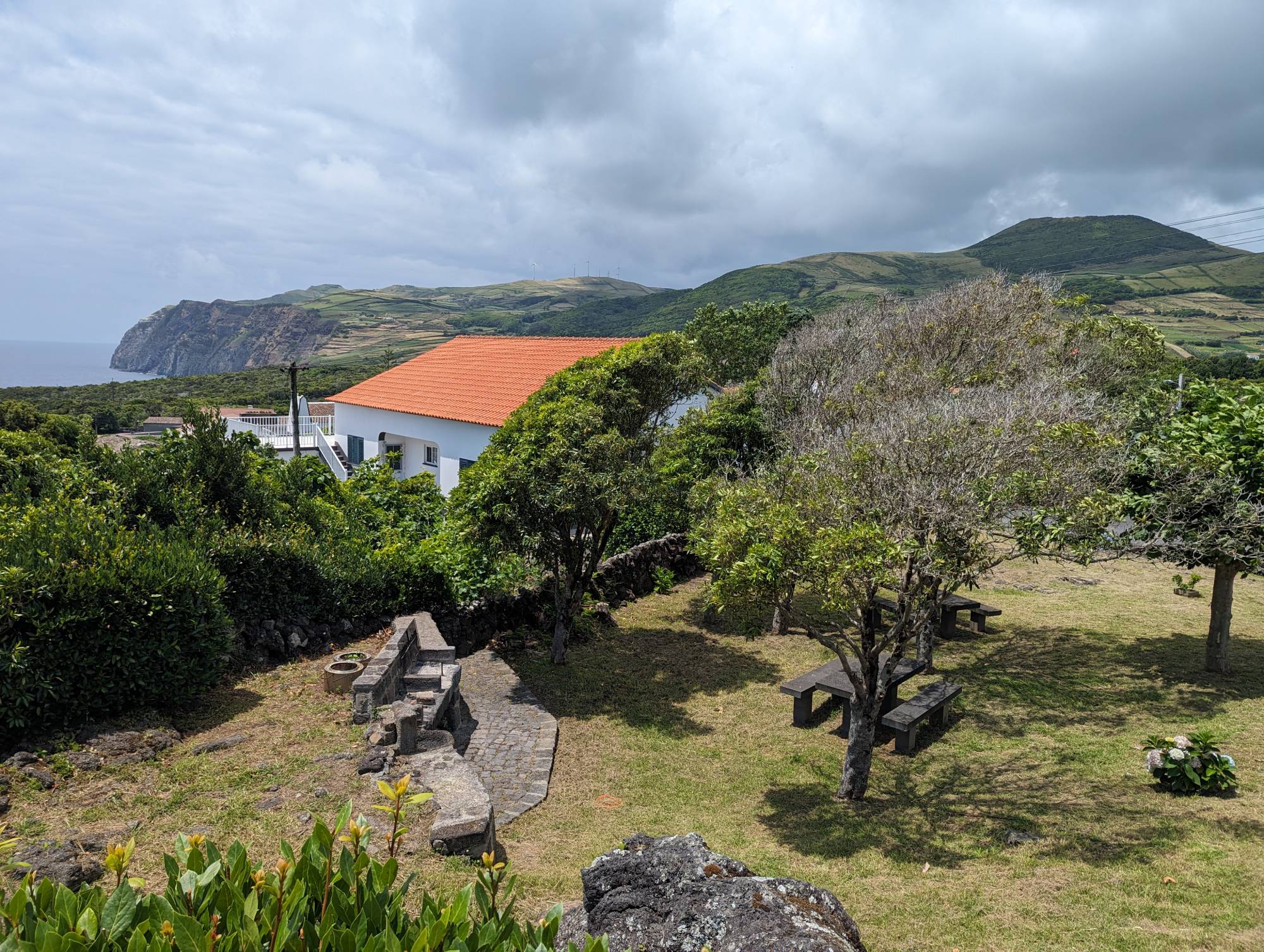
Graciosa’s real estate market is small but diverse. Listings (mostly via local agents or online portals) show everything from dilapidated stone houses to turnkey villas.
- Buying: Pricing can be affordable, but listings are limited. You will find a lot of plots of land and ruins in need of serious renovation. Move-in ready properties are much rarer.
- Renting: Long-term rentals are scarce and are rarely advertised online. You will most likely need local contacts to find properties available for rent.
In summary, property on Graciosa is low-cost relative to Portugal’s average. However, the small market means choices are limited and turnover is slow.
Many property sales are off-market, so a good local real estate agent will know of properties for sale that aren’t listed on places like Idealista or ImoVirtual.
Cost of Living
Graciosa is affordable for daily expenses, but keep in mind island-specific quirks:
- Housing: As above, housing is very cheap but finding a property to rent or buy can be challenging.
- Groceries: Local staples (milk, cheese, beef, vegetables, cornmeal) are inexpensive thanks to on-island production. However, imported items can cost more than in Lisbon because they arrive by ferry.
- Dining Out: Modest prices. A cup of coffee ~€1–2, a pastry €1–2. Lunch menus (sopa + main) run ~€7–€10. A simple dinner (fresh fish or grilled beef with sides) is about €10–€15 per person. There are few “fine dining” options; most eateries (tascas/cafés) are casual.
Healthcare
Graciosa has basic healthcare only. There is a small Health Center (Centro de Saúde) in Santa Cruz da Graciosa. It can handle minor ailments and prescriptions, but there is no hospital on Graciosa. Serious emergencies require air transfer to Terceira or São Miguel. Most families carry the Azores health card and rely on visiting doctors on other islands for things like surgery or specialized treatment.
Pharmacies are present in Santa Cruz and Praia.
Schools and Family Life
Education on Graciosa is state-run and modest in scale. The Escola Básica e Secundária da Graciosa in Santa Cruz offers public schooling from nursery through secondary. Primary classes are split among village schools (Santa Cruz and Praia), and secondary students travel to Santa Cruz for classes. Total enrollment is small (a few hundred students island-wide), so class sizes are small. Subjects are all taught in Portuguese, with standard curriculum.
There are no international or bilingual schools on Graciosa. Homeschooling is legal but must follow Portuguese guidelines.
Family life is community-centered: school events, church, and local sports (soccer teams, music classes) are common activities. Daycare and youth programs exist but are limited compared to a big city.
Expat Life
Graciosa has virtually no expat enclave. Almost all residents are Portuguese Azoreans. A small handful of long-stay foreigners (often from Northern Europe or North America) own or run local guesthouses, farms or dive schools, but you won’t find expat clubs.
If you move here, you’ll likely integrate with locals rather than fellow foreigners. Portuguese language skills are a big plus. Newcomers often make friends through church, a local market, or parish associations.
That said, the Azores-friendly vibe means outsiders are usually welcomed warmly. People are curious about newcomers but also respectful. Privacy can be limited (word travels fast in small villages), so it helps to be open and patient. English is spoken in tourism contexts (e.g. some restaurants), but day-to-day you will use Portuguese.
Getting Around
Graciosa is very small (20 km end-to-end), so distances are short. Public transit is minimal, so a car is extremely useful if you want flexibility.
- On the island: There are a few local bus routes (Graciosa Transportes) connecting Santa Cruz, Praia, and a couple other villages, but schedules are very limited (fewer than a dozen round-trips per week on some lines). Many locals simply walk or bike within villages. Taxis operate in Santa Cruz (white cars), but you need to phone ahead. Car rental is available at the airport and a couple agencies in town (prices around €50–€70/day in summer). Biking is popular in fair weather because the terrain is flat.
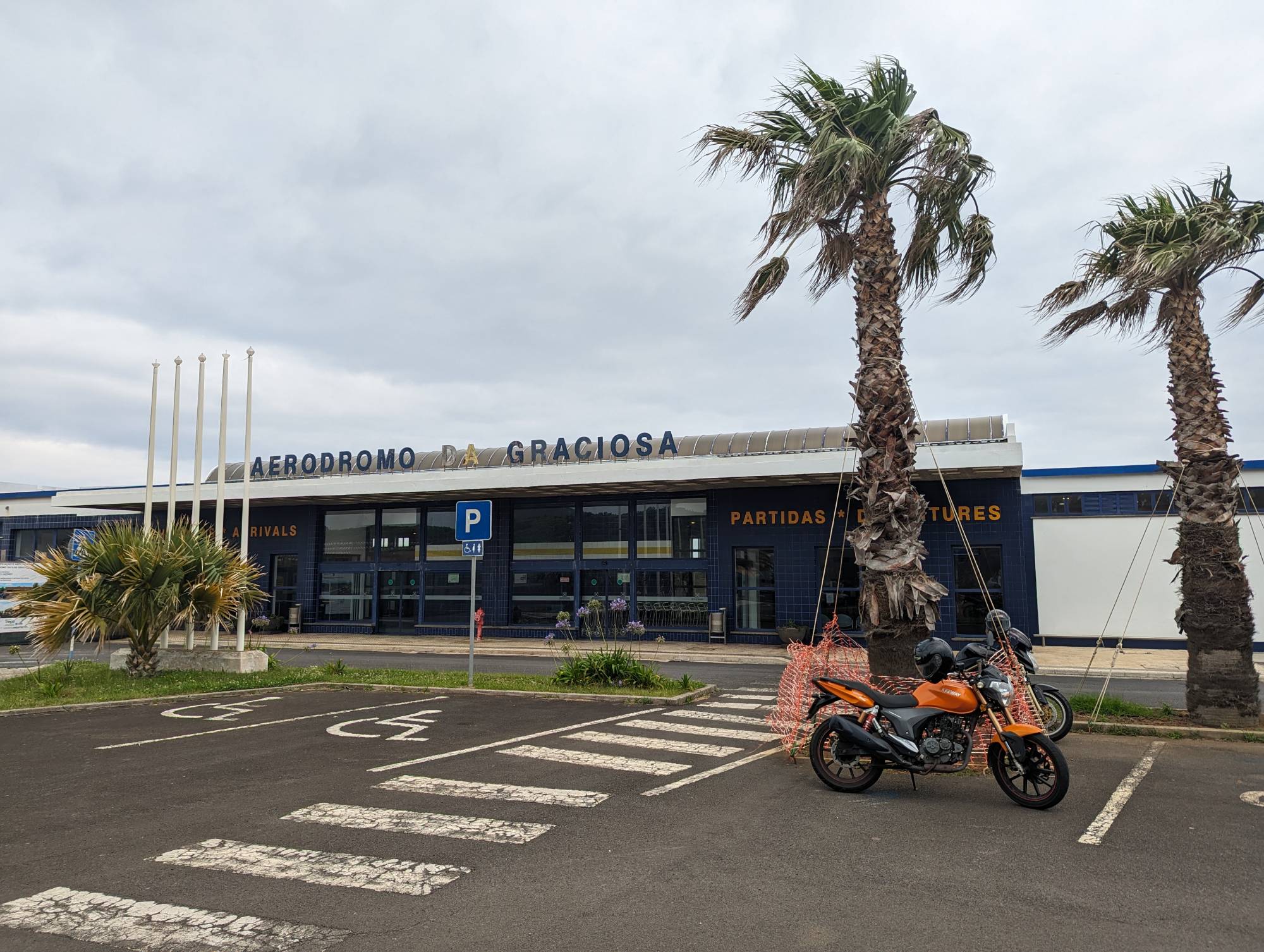
- Flights: The airport (GRW) has very short flights (15–20 minutes) to Terceira or São Miguel with Azores Airlines. Typically, you fly to Terceira and connect (sometimes on the same plane). Weather (fog, winds) can cause delays. There are usually no direct flights from Lisbon; you must route through Ponta Delgada or Terceira.
- Ferries: Atlânticoline runs ferries (seasonal, mostly spring/summer) linking Graciosa with other central islands (e.g. Lajes/Terceira, Horta/Faial, São Jorge). These are usually a couple of times per week each route. In summer, a fast catamaran might connect to Terceira a few times a week (€16–€20 one-way, ~1.5 hours).
Getting on and off Graciosa requires some planning around these limited schedules. Once on the island, most places are within a 20–30 minute drive.
Climate and Weather
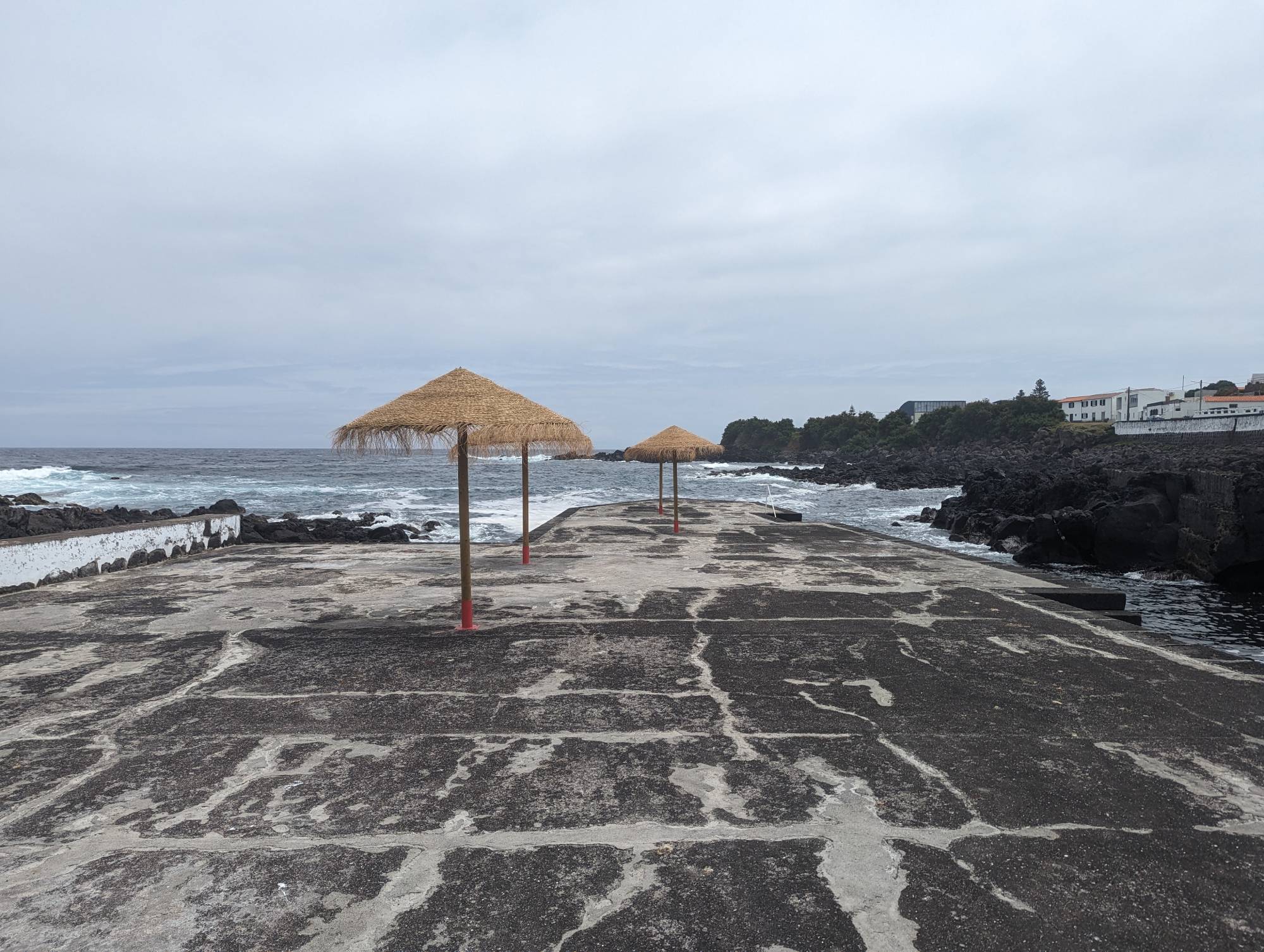
Graciosa enjoys one of the mildest, sunniest climates in the Azores. It has a humid subtropical/Mediterranean climate. Here are typical conditions:
- Temperature: Annual average ~19.7°C. Winter daytime highs average 15–17°C; summer highs average 23–25°C. Frosts are virtually unknown. August (the warmest month) averages ~25°C, while February averages ~16°C at midday.
- Rainfall: Total ~700–800 mm per year, far less than the western islands. It rains most in late fall/early winter: December often ~150–170 mm, whereas July and August have only ~25 mm. Even when it rains, showers are often brief.
- Humidity & Wind: Humidity is fairly high (~80–85% year-round), but coastal breezes and the island’s low hills mean it rarely feels oppressively muggy. Graciosa is breezy, especially along the coast. Gale-force winds can occur in storms, but the gentle terrain means these winds are less dramatic than on taller islands.
- Sunshine: Graciosa typically sees about 1,800–2,000 hours of sunshine a year. Late spring and summer offer the most reliably clear weather. Winter days are shorter (around 10 hours of daylight) and often partly cloudy, but hard frosts or snow are essentially unheard of.
In summary, Graciosa’s climate is very temperate. Pack layered clothing (evenings can feel cool with ocean breezes) and a good raincoat for winter/spring. Summers rarely exceed 30°C, so it’s comfortable without much AC.
Will I Need To Learn Portuguese?
English is spoken by some younger islanders and tourism workers (hotels and a few guides), but you will get the most out of living here if you speak Portuguese. Locals especially appreciate it when visitors try – even basic phrases go a long way. If you plan to stay long-term or integrate (work, make friends, volunteer), investing time in learning European Portuguese is highly recommended. You will also need to familiarize yourself with the Azorean accent, although be aware there are limited resources in Azorean Portuguese.
For residency or citizenship, knowing Portuguese matters: you’ll need at least level A2 to pass the language exam for long-term stay. But even before that, fluent Portuguese will enrich every aspect of life on Graciosa.
Expat Life
The expat scene is basically nonexistent – a few petulant British/Irish retirees, some Germans or Dutch into rural life, and occasional families from mainland Portugal or other Azores islands. As with many Azorean islands, there are also some Portuguese-Americans who have moved back permanently or spend several months of the year on the island.
This means no established expat networks. To meet others, your best bet is:
- Join pan-Azores Facebook groups (e.g. Expats in Azores).
- Attend local events (fairs, wine tastings, religious festas) and simply talk to people.
Many expats report that, while small-town life can feel isolated at first, friendships tend to be genuine and enduring. Key challenge: loneliness can strike if you don’t speak Portuguese or haven’t found a niche.
Pros and Cons of Living Here
Pros:
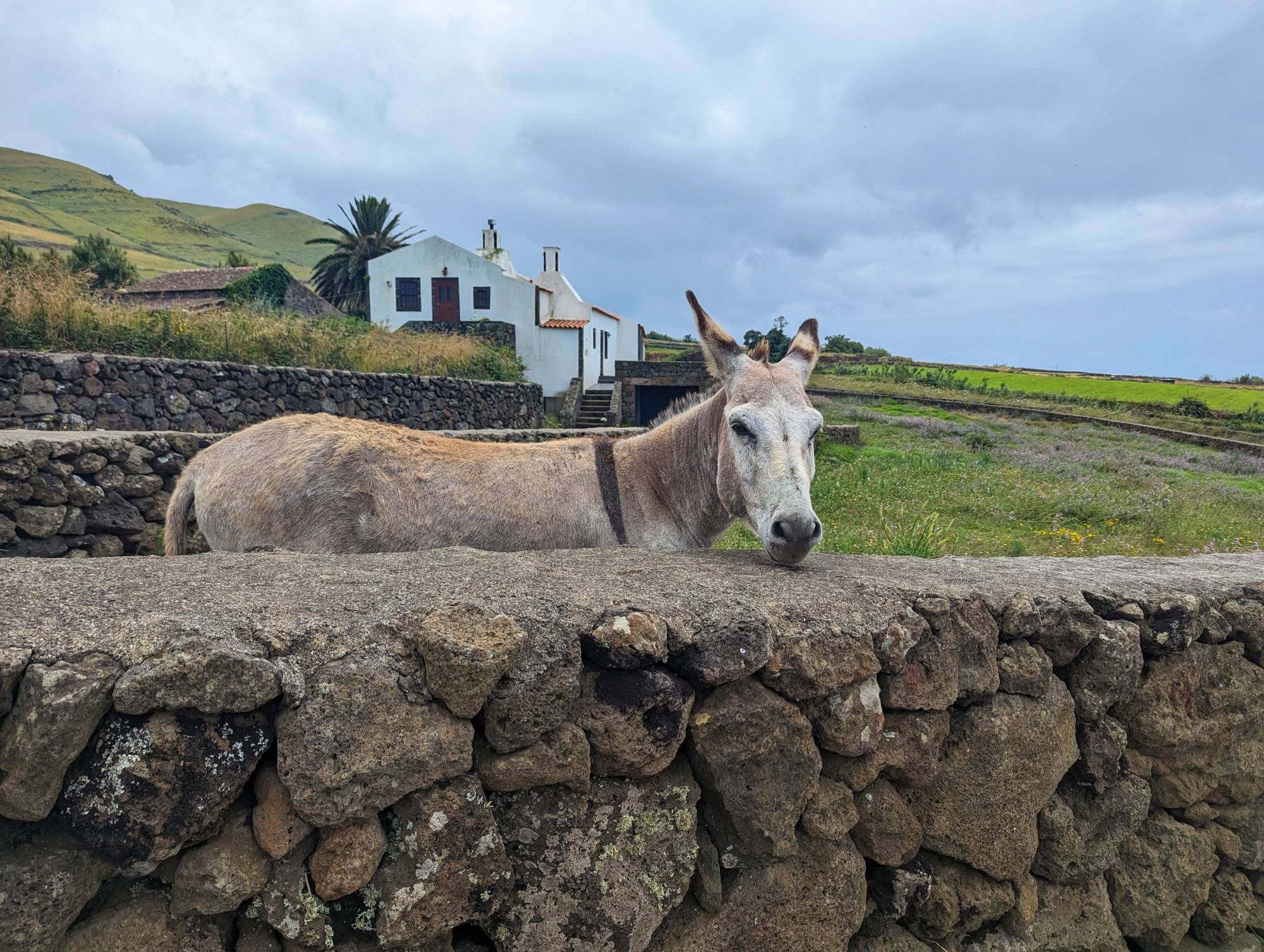
- Peace and Safety: Very low crime. Traffic is minimal. Neighbors look out for each other.
- Community Spirit: People still greet you in the street and invite you to local church or village events.
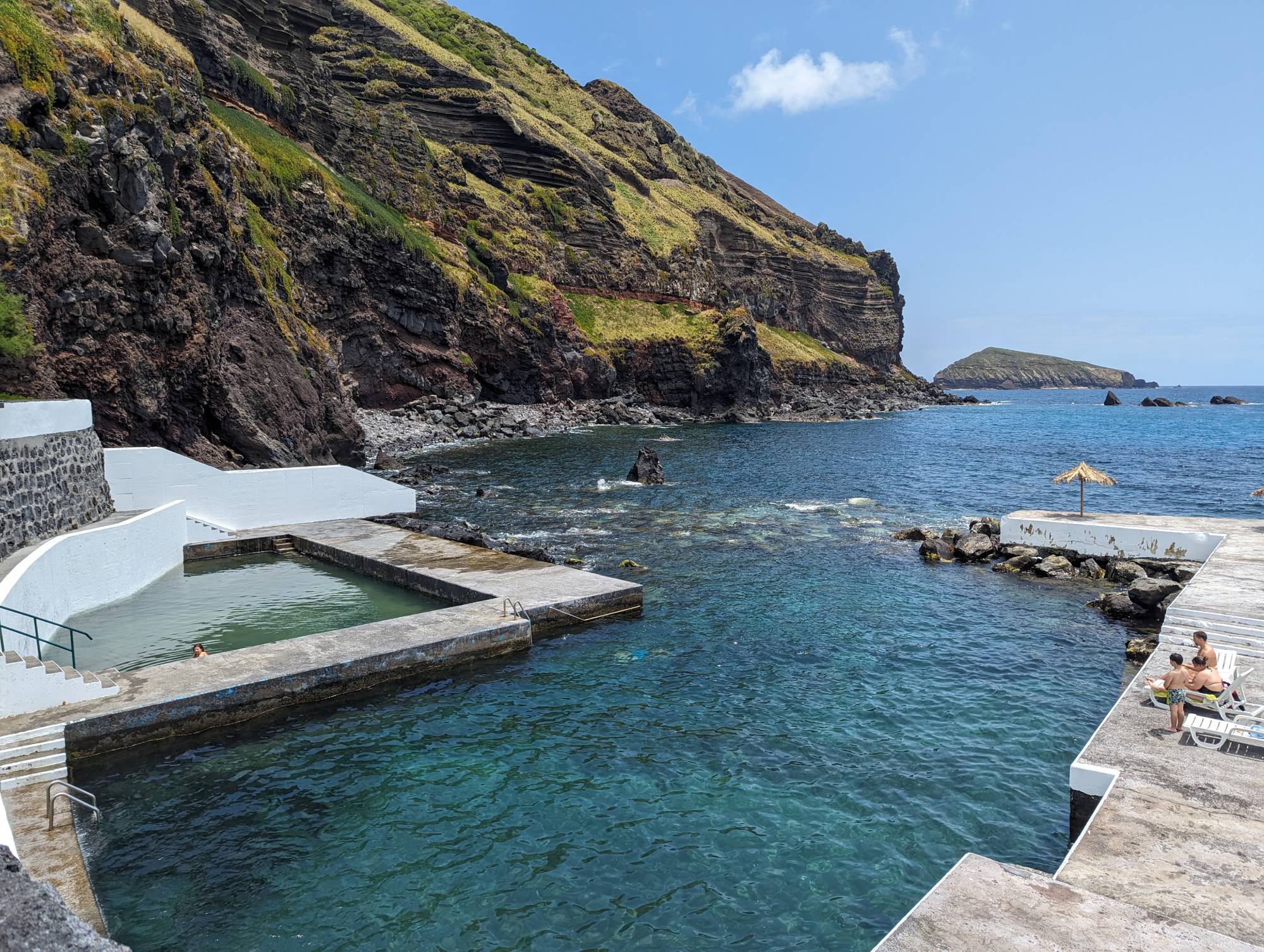
- Nature & Landscape: Gentle hikes, interesting geology (Furna do Enxofre cave), saltwater swimming pools (Carapacho hot springs) and sweeping Atlantic views – all with almost no crowds.
- Good Climate: Mild winters, warm summers, and less rain than most Azores islands.
- Wine & Agriculture: If you love wine or cheese, Graciosa’s local white wine and goat cheese are real treats. The landscape is full of cornfields, vineyards, and livestock.
Cons:
- Isolation: You will feel cut off at times. Flights are small prop planes (subject to cancellation), and ferries can be seasonal. Visiting Lisbon is a multi-leg journey. Emergencies mean long waits for rescue.
- Limited Services: No hospital – just a tiny health center. Few shops (no malls, no retail chains). Very few doctors, dentists or specialists. Shopping choices (clothing, appliances) are minimal.
- Social Pressure: The small community means everyone knows your business.
- Economic Opportunity: Few jobs beyond tourism (seasonal inns, diving), farming, public service or education. Many locals commute off-island for work. If you need regular employment, you’ll likely have to do it remotely.
- Expat Support: If you need help navigating bureaucracy or learning the language, you won’t find it on Graciosa. The little expat help there is mostly online or on other islands.
Similar Locations
If Graciosa appeals to you, consider these as well:
- Pico (Azores): Vineyards and cattle but larger (44K people), with a mountaintop volcano. Still rural and scenic, but more tourist amenities (whale watching, wine tourism).
- Faial (Azores): Combines a small city (Horta) with quiet villages. Lush and volcanic, with a stronger expat/digital nomad community (marina, American Bar).
Each of these offers rural island living, though none are exactly like Graciosa’s Azorean blend of warmth and lush greenery.
Final Verdict: Who Should Move to Graciosa?
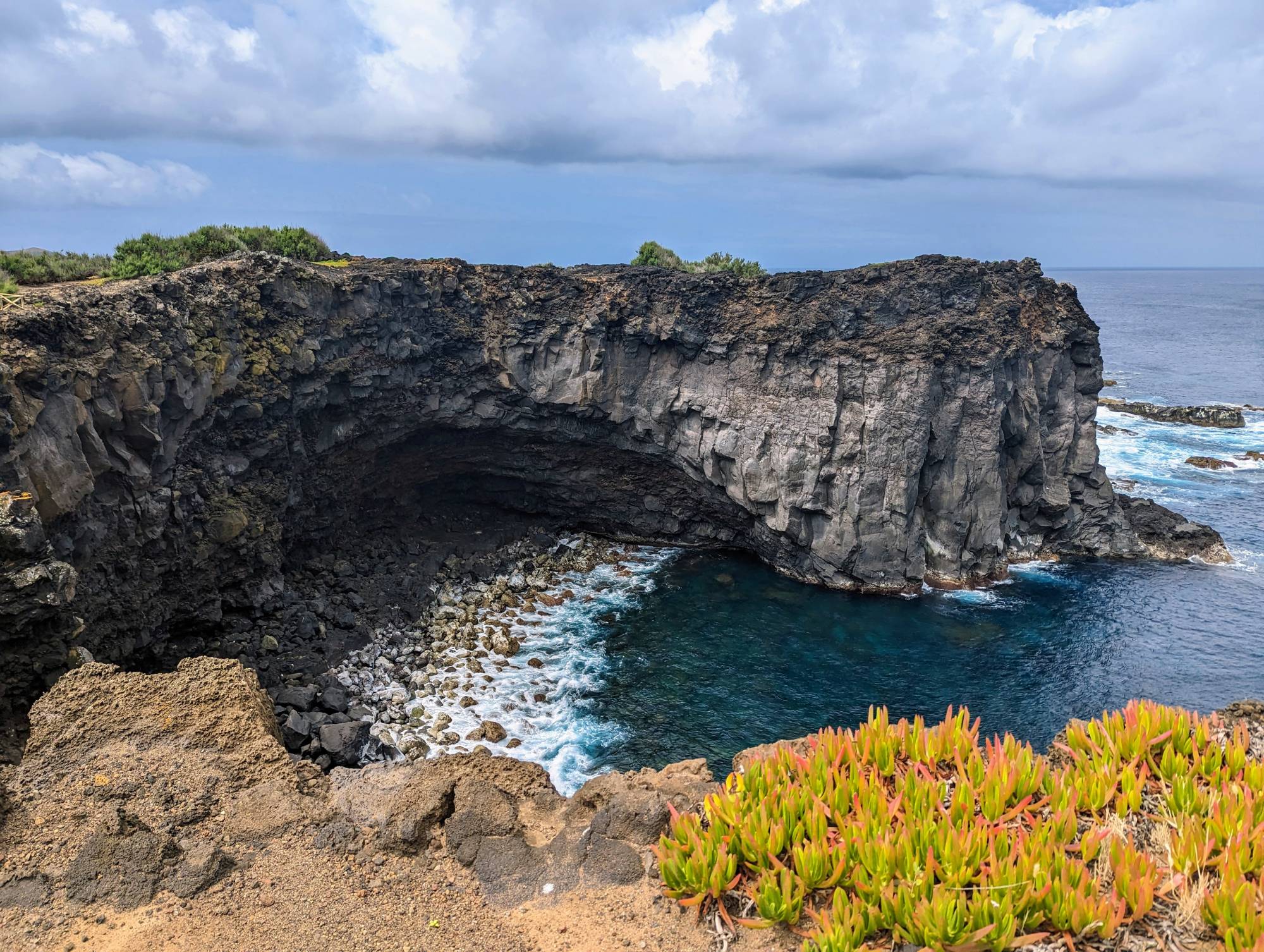
Move to Graciosa if you crave an unhurried rural lifestyle within the EU. Ideal newcomers are those with stable remote incomes (digital workers, retirees) or people in agriculture/ecotourism who can thrive in a small community.
You should love nature and simplicity – easy hikes replace malls, and a good local café is your town hall. If you’re adaptable, enjoy wind-whipped views and don’t mind being the outsider in a close-knit village, Graciosa can be rewarding.
Skip Graciosa if you need big-city culture, frequent travel connections, diverse schools or healthcare, or vibrant social scenes. This is not a place to hide from community or to expect anonymity.