


The Algarve has earned a fantastic international reputation: sunshine, beaches, and an global community that makes moving abroad feel less like jumping off a cliff and more like stepping onto something almost familiar.
But it’s also Portugal—which means you get the good (safety, lifestyle, pastéis de nata) and the frustrating (bureaucracy, housing quirks, healthcare bottlenecks). And because so much of the Algarve runs on tourism, the experience can change dramatically depending on where you live and what month it is.
This guide breaks down the Algarve’s biggest pros and cons in practical terms—especially for Americans, Canadians, and Brits deciding whether this is the right place to retire (or spend part of the year).
The quick version
The Algarve is a great fit if you want:
- Mild winters, lots of sun throughout the rest of the year, and a strong expat support network
- Beach access
- Easy travel connections (especially to the UK/Europe, and increasingly North America)
Think twice if you need:
- A true big-city vibe
- A well-paid local job
- To live well on a shoestring budget
The Algarve’s Pros
There are plenty of upsides to living in the Algarve, from warm weather to beautiful beaches, so it’s no surprise that this is one of the most popular destinations for expats.
The Weather
Sunshine, yes — but also real winter rain and serious summer heat.
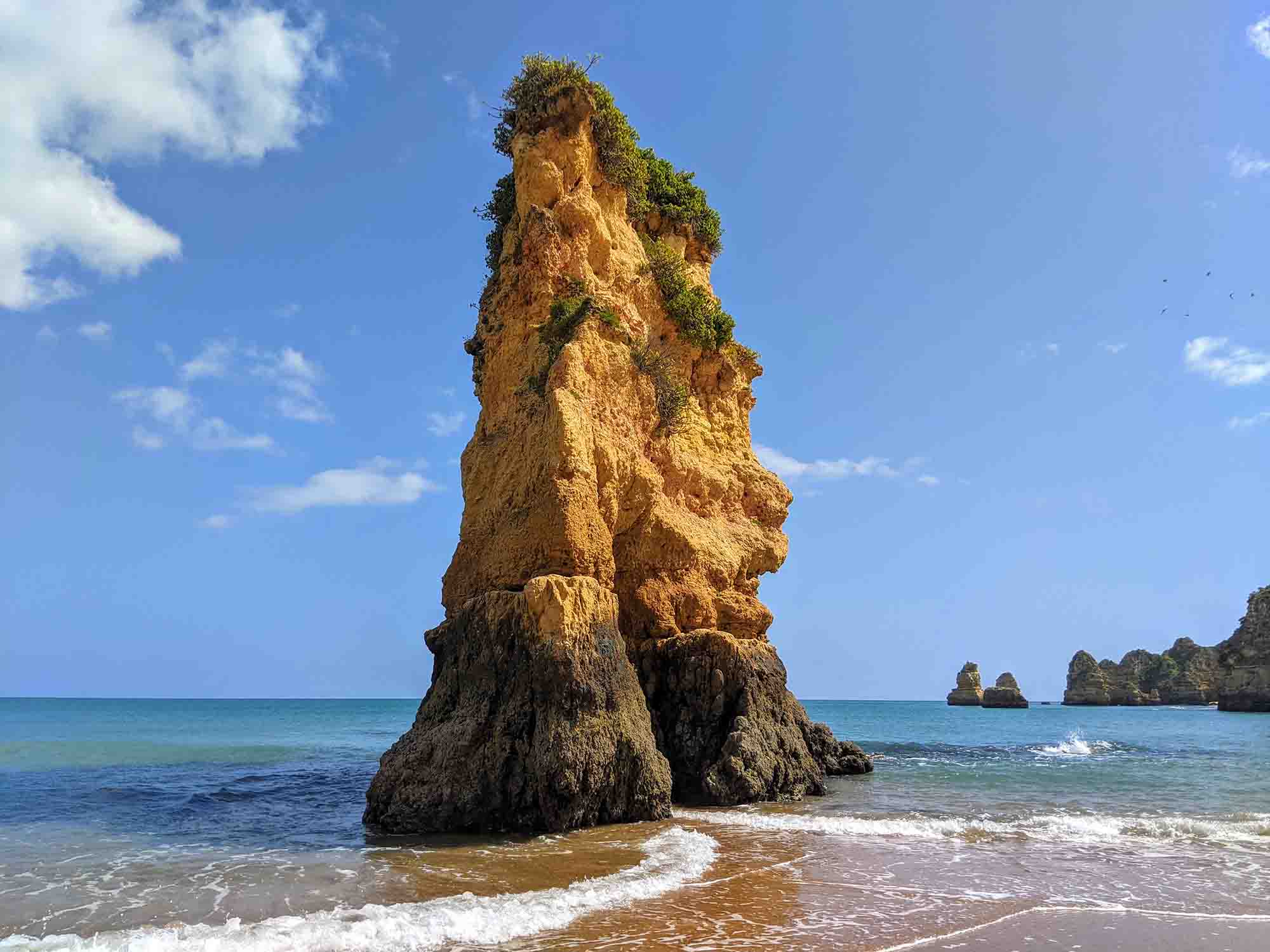
The Algarve’s climate is one of its biggest draws—especially if you’re escaping Canadian winters or UK gray. Winter daytime highs typically hover around 16°C (61°F), and summer highs average around 29°C (84°F), with heatwaves pushing into the 90s°F / mid-30s°C.
In practice, that can mean Christmas lunch outside in December… and desperately hunting for shade (and cold water) in July and August.
But there are two reality checks worth building into your expectations.
Winters Can Be Wetter than you expect
Yes, it’s often bright and mild—but winter is also when the Algarve gets most of its rain. December is typically the wettest month, with around 96mm of rainfall.
It doesn’t usually drizzle politely for an hour and move on. Winter weather here can arrive in bursts: a few days of heavy downpours, then a stretch of sunshine, then another storm system rolling in.
When it’s pouring, the Algarve can feel surprisingly limited if your day-to-day happiness depends on beaches, walking, and outdoor cafés—especially in smaller coastal towns that are built around “being outside.”
And while it’s not every week, flash flooding does happen in low-lying areas during intense rain events (often more “localized chaos” than “nationwide disaster,” but still disruptive). On the plus side, the Algarve rarely experiences snow or frost.
As with most of Portugal, the biggest issue isn’t the temperature outside: it’s the temperature inside. Most homes were built without insulation and without central heating, so you’ll either need to renovate or factor in high electricity bills during the winter months.
The summer heat is getting harder to ignore
July and August regularly push above 30°C (86°F), and you’ll hear plenty of long-timers say summers feel hotter than they used to. That’s one reason air conditioning has become more common—in homes where it might not have been considered essential a decade ago.
And wildfire risk is not theoretical. In August 2018, fires in the Algarve/Monchique area led to major evacuations and required more than 1,000 firefighters at the height of the response.
Temperatures are cooler by the coast, and closer to the West Coast, but property prices are also higher on the coast.
Lifestyle:
Slower, calmer — but it can feel sleepy (especially in winter).

The Algarve is relaxed in the best possible way. Long lunches aren’t a treat, they’re normal. Life happens outdoors. The pace is gentler, less performative, and far less intense than what many people are used to in North America or the UK.
For some, that’s exactly the point.
But “relaxed” can quietly slide into “very quiet”, depending on where you live—and what time of year it is.
By North American standards, the Algarve’s cities are small. Faro, the regional capital, and Portimão, the second-largest city, each have populations of roughly 50,000. Even at their busiest, they don’t offer the constant buzz, cultural churn, or late-night energy of a big city.
Seasonality plays a big role too. Many coastal towns feel two completely different places depending on the month. Summer brings crowds, noise, and life; from November to March, some areas slow right down. Restaurants close, streets empty, and the social energy drops noticeably—especially in towns that rely heavily on tourism.
If there’s a sweet spot, it’s spring and fall. The weather is excellent, the region feels alive but not overwhelmed, and you get the Algarve at its most balanced—busy enough to feel social, quiet enough to feel relaxed.
Portugalist takeaway: The Algarve rewards people who are comfortable with stillness. If you need constant stimulation, it may feel sleepy. If you value space, sunlight, and an easier pace, it can feel like exactly the life you were looking for.
Cost of living
Still cheaper than many beach locations in other countries — but not the bargain it used to be.
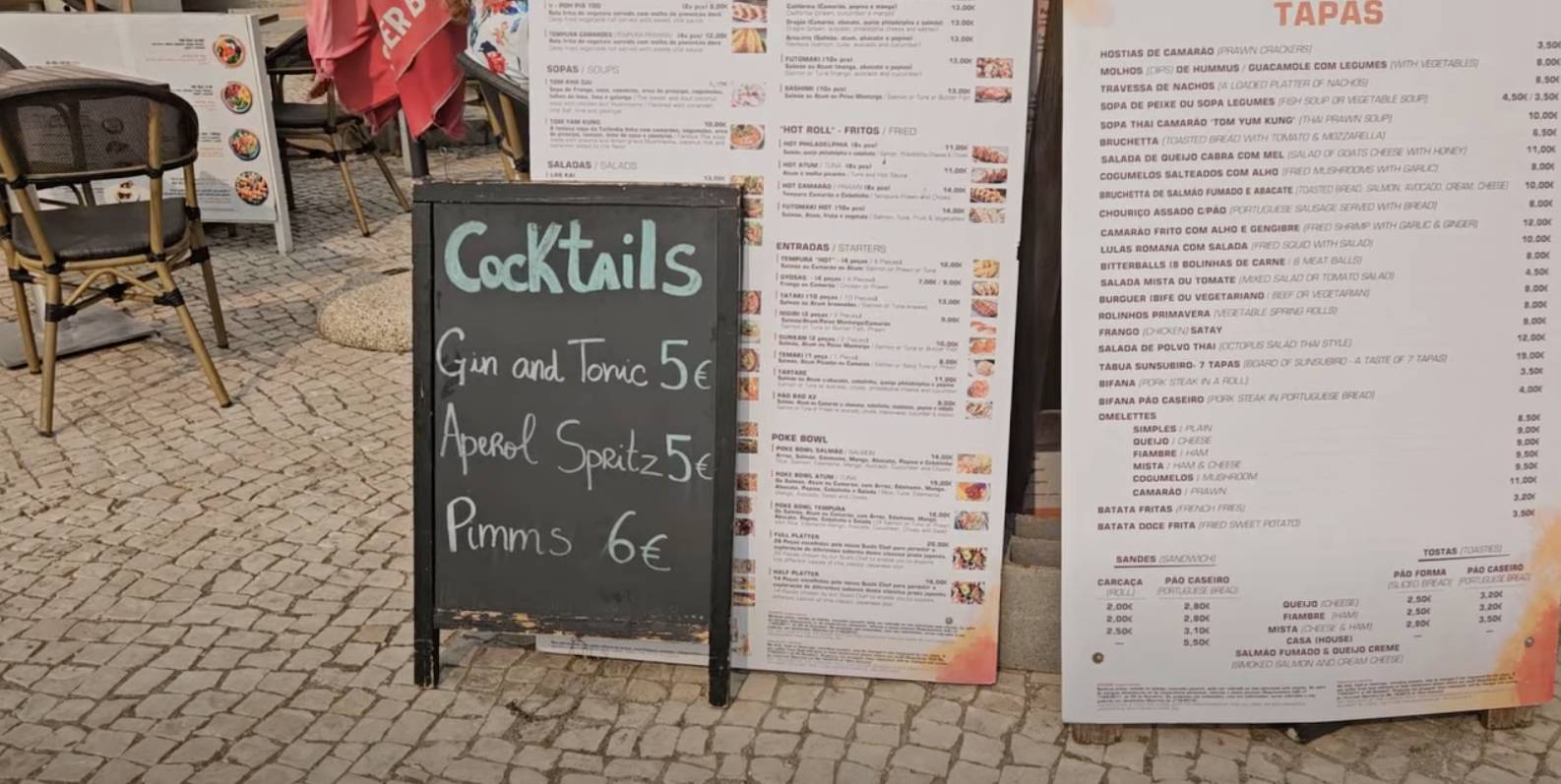
There’s no getting around it: the Algarve has become more expensive, and faster than many people expected. Prices have risen across Portugal, but the Algarve now sits firmly among the country’s pricier regions—second only to Lisbon in many categories.
That said, expensive is relative. For many Americans, Canadians, and Brits, the Algarve still feels affordable compared to other coastal lifestyle destinations. It’s just no longer the steal it once was.
What 2025 looks like in practice
For most couples, a “comfortable” monthly budget now tends to fall somewhere between €1,700 and €2,600, depending on how you live. Renting versus owning, how often you eat out, whether you rely on private healthcare, and how close you live to the coast all make a big difference.
Rent is where many people feel the change most sharply. A one-bedroom apartment typically rents for €800–€1,600 per month, depending on location and season—and crucially, whether it’s a true long-term rental or a seasonal lease disguised as one.
Buying property isn’t cheap either. Average apartment prices in the Algarve are often cited around €2,750 per square meter, with significant variation between inland towns and prime coastal areas. Prices near the sea, golf resorts, and popular expat hubs are often well above the regional average.
Eating out remains one of the Algarve’s strengths. A casual lunch or simple dinner can still cost €12–€15, while a mid-range dinner for two usually lands around €50–€60. Lunch menus and inland restaurants tend to be noticeably cheaper than coastal hotspots.
Context matters
While costs have risen, many newcomers still find the Algarve compares favorably to other sunny coastal regions. It’s generally cheaper than California, the South of France, or places like Biarritz—but it’s no longer dramatically cheaper, especially once housing is factored in.
Some people respond by looking inland, hoping to save money. That can still work—but inland prices have risen too, and the gap isn’t as wide as it used to be. The days of finding a charming bargain simply by moving ten minutes off the coast are mostly gone.
Portugalist takeaway: You can absolutely live well in the Algarve, but it’s no longer “cheap Portugal”—especially for rentals and coastal property. The value is still there, but it now comes from lifestyle, not low prices.
Faro Airport
Faro Airport is a genuine advantage (and it’s improving for North Americans).
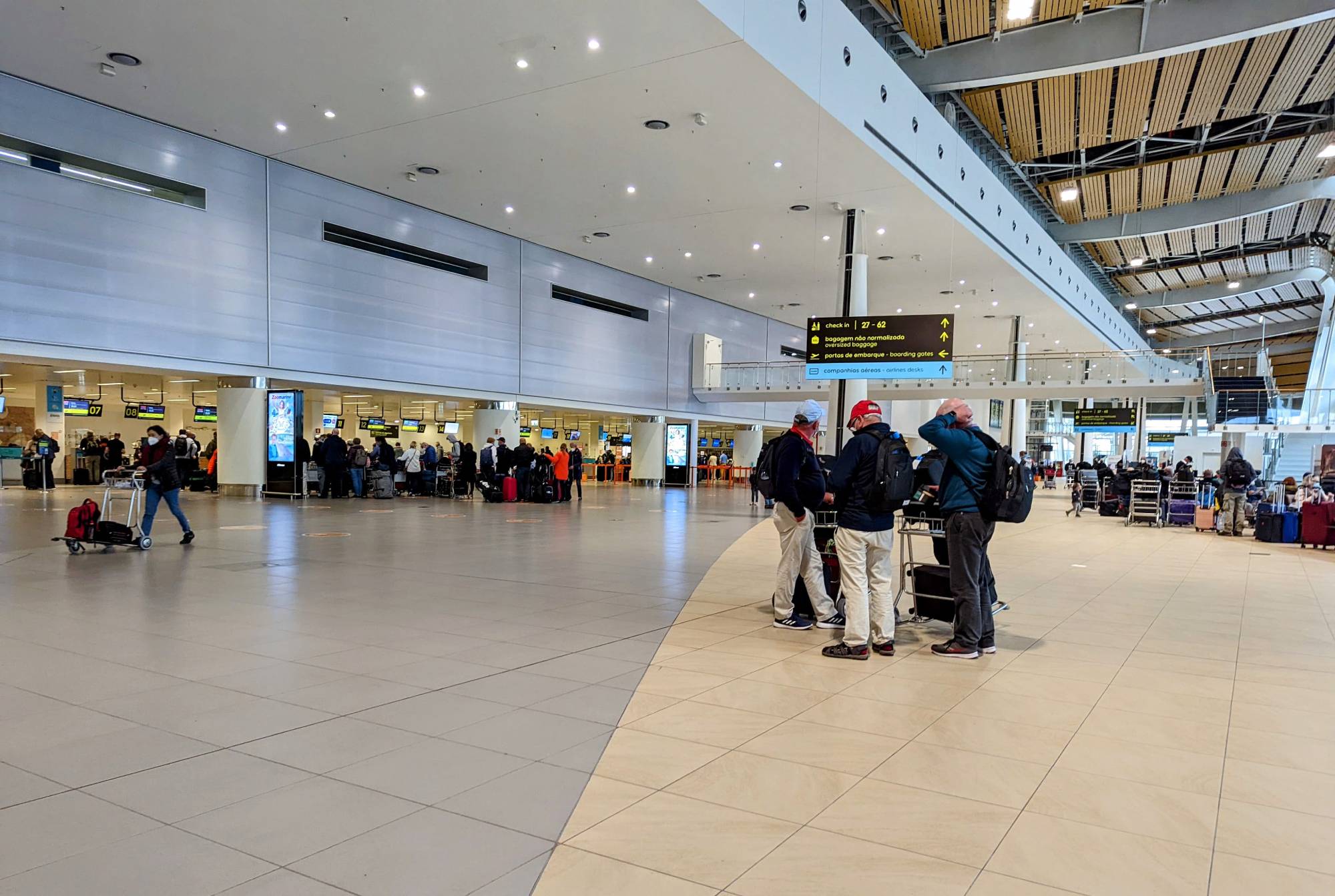
If you expect to go back and forth—something many retirees and part-year residents do—the Algarve has a clear advantage that often gets underestimated: Faro Airport.
For years, Faro has been packed with convenient seasonal routes to the UK, Ireland, Germany, and Northern Europe, making short hops back “home” relatively painless. That alone puts the Algarve ahead of much of Central and Southern Portugal, where reaching a major airport can easily add several hours to every trip.
What’s changed more recently is North America.
In 2025, United Airlines launched a seasonal direct route from Newark (EWR) to Faro, operating several times a week during peak season. Air Transat also continues to offer seasonal direct flights from Toronto to Faro, making the Algarve one of the easier parts of Portugal to reach without automatically routing through Lisbon.
For comparison, living on the Alentejo coast, parts of Central Portugal, or even inland Algarve often means a long drive before your journey truly begins. Faro’s airport access is a genuine quality-of-life upgrade—especially as you get older or start traveling more frequently.
Portugalist takeaway: If flying back and forth matters to you, Faro Airport is one of the Algarve’s strongest practical advantages—and it’s quietly getting better for North Americans.
Safety
One of Portugal’s strongest selling points.
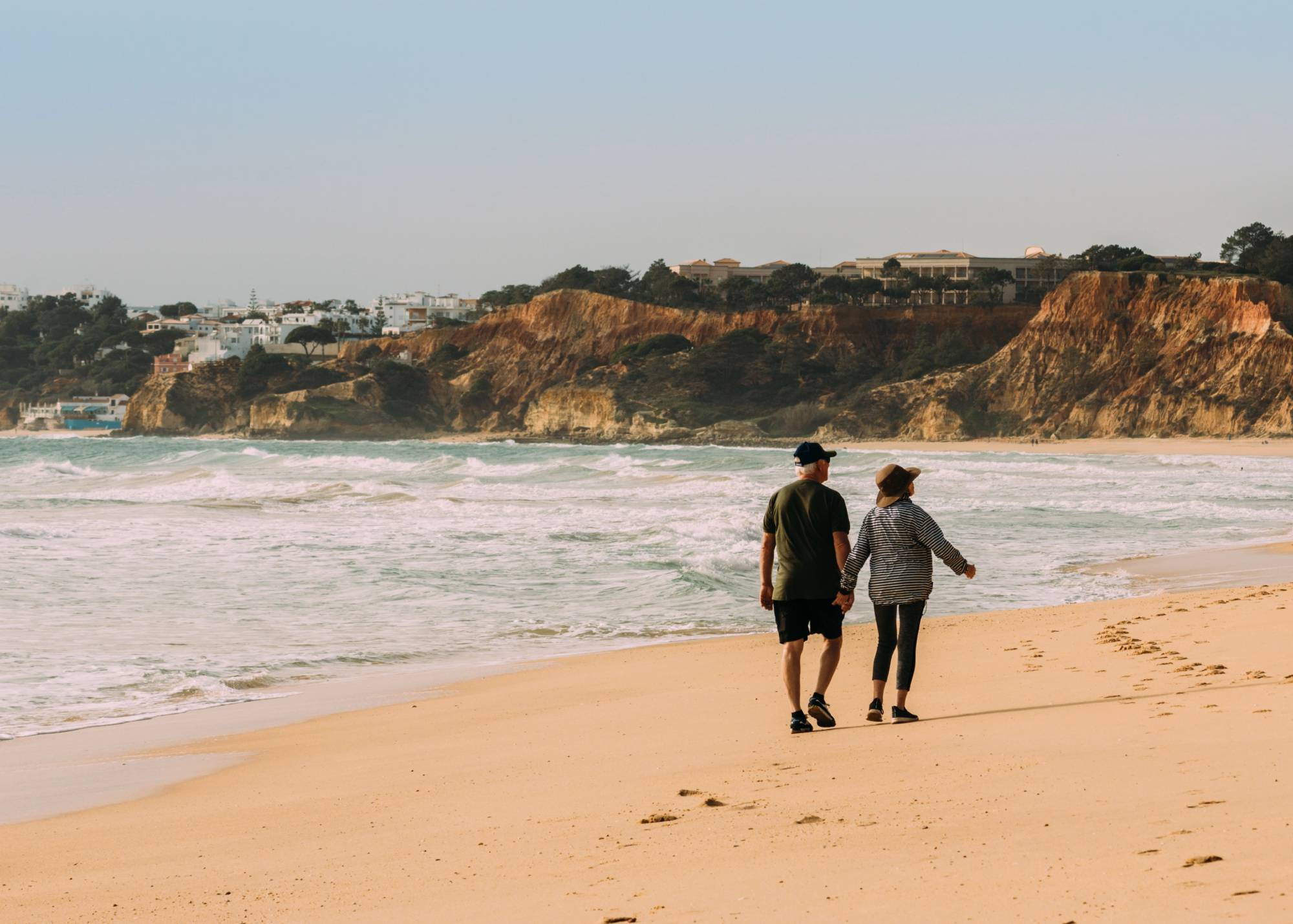
Safety is one of those things you don’t always notice—until it’s missing.
Portugal consistently ranks among the safest countries in the world, and in 2025 it remained firmly within the global top tier. For many Americans and Canadians in particular, this translates into something subtle but powerful: lower background stress.
People walk at night. Violent crime is rare. You don’t constantly scan your surroundings or think twice about everyday errands. That doesn’t mean crime doesn’t exist—but it’s far less central to daily life than in many Western countries.
For retirees, families, and anyone looking to slow down, this sense of safety often becomes one of the Algarve’s most underrated benefits.
Portugalist takeaway: The Algarve won’t eliminate life’s problems—but it can noticeably reduce the mental load of simply moving through the world.
Community & language
An easy landing—but don’t mistake it for “no Portuguese required.”
The Algarve has one of the most established international communities in Portugal, and that makes the early months significantly easier.
You’ll quickly find:
- recommendations for tradespeople, doctors, and services (who speak English)
- social groups, meetups, and activity clubs (for expats)
- people who’ve already navigated the same problems you’re facing
For many newcomers, this softens the emotional side of moving abroad. You’re far less likely to feel isolated or overwhelmed straight away.
English is also widely spoken, especially in tourism-facing businesses, restaurants, real estate, and private healthcare. In day-to-day life, you can get quite far with English alone—at least at first.
But this is where expectations matter.
Government offices, tax services (Finanças), and parts of the public health system are not reliably English-friendly. When things get bureaucratic—or urgent—having even basic Portuguese makes a real difference.
Portugalist takeaway: The Algarve is one of the easiest places in Portugal to land without Portuguese—but learning the language still pays dividends, especially once you’re dealing with healthcare, paperwork, and long-term living.
Healthcare
Good options exist—but shortages are real (especially for family doctors).

Portugal’s public healthcare system is under significant pressure, and one of the most widely reported issues is the shortage of assigned family doctors (médicos de família). By 2025, well over 1.5 million people nationwide were without an assigned GP, and the Algarve is one of the regions where this is felt most acutely.
In practical terms, that often means:
- no single point of contact for routine care
- longer waits for non-urgent appointments
- reliance on walk-in “acute care” services rather than continuity
Because of this, many residents—especially expats—end up relying on private healthcare for routine access.
The Algarve does have solid private options. The HPA Health Group is the dominant private provider, with hospitals near Faro (Gambelas) and Alvor (near Portimão), plus clinics elsewhere in the region. These facilities are modern, generally efficient, and English-speaking. There’s also the Hospital Lusíadas in Albufeira.
There are also large public hospitals in both Faro and Portimão.
Where the Algarve falls short is specialization. For complex treatments—particularly certain cancer services or advanced diagnostics—people are sometimes referred to Lisbon or Porto, or choose to travel there proactively.
Portugalist takeaway: If healthcare access is a priority, choose your location carefully. Living closer to Faro or Portimão helps, private insurance is common, and some people still factor occasional trips to Lisbon into their long-term plans.
Proximity to Spain
Something you don’t get in many parts of Portugal.

One advantage the Algarve has that’s often overlooked is just how easy it is to dip into Spain.
From much of the Algarve, Spain isn’t a special trip. It’s a normal weekend option.
- Faro to Seville is roughly a 2.5 hour drive.
- Portimão to Seville takes closer to 3 hours.
If you live in the Eastern Algarve, Spain can feel even closer. From Vila Real de Santo António, a short ferry ride takes you across the river to Ayamonte, putting you in Andalusia in minutes rather than hours.
This isn’t just about cultural variety—though having Portuguese and Spanish food, festivals, and cities within easy reach is a real perk. It’s also practical. Some people cross the border for shopping, short breaks, or simply to fill up their car at a cheaper price. Did we mention there’s a Costco just outside Seville?
Portugalist takeaway: The Algarve gives you a genuine “Portugal + Spain” lifestyle that’s much harder to replicate from Lisbon, Madeira, or the Azores.
Expat supermarkets & international restaurants
Everyday comfort is easier here though more options for Americans and Canadians would be welcome.
Another Algarve-specific difference is how much the region caters to international residents and tourists.
Alongside Portuguese supermarket chains, you’ll find multiple British-style supermarkets, as well as Brazilian, Chinese, and other international food stores depending on the town. There are also German and South African butchers, Dutch products in some areas, and specialist shops that are simply harder to find outside Lisbon or Porto.
The same applies to restaurants. The Algarve also has a broader mix of international cuisines than most of Northern or Central Portugal—particularly along the coast. You may not get the depth or trendiness of Lisbon or Porto, but you’ll choose from far more options than you would in a small inland town elsewhere in the country.
For people with dietary requirements, nostalgic food preferences, or simply a desire for variety, this makes daily life easier.
Portugalist takeaway: The Algarve strikes a balance—Portuguese food is everywhere, but international options are part of normal life, not a rare treat.
Schooling options
One of the Algarve’s strongest family advantages.

For families, schooling is often the deciding factor—and this is where the Algarve quietly stands out.
Like the rest of Portugal, the region has public schools and private Portuguese schools. But the Algarve is also home to a concentrated hub of international schools, second only to Lisbon in terms of choice.
You’ll find British-curriculum schools, as well as schools serving other international communities (including Dutch options), reflecting the Algarve’s long-standing international population.
This gives families real flexibility: children can integrate into the Portuguese system, follow an international curriculum, or move between the two depending on age, language ability, and long-term plans.
Portugalist takeaway: If you want international schooling without committing to a big city, the Algarve is one of the few places in Portugal where that’s genuinely viable.
The Algarve’s cons
No place is perfect, and many of the Algarve’s downsides aren’t deal-breakers so much as things you need to plan around. Most of the frustrations people report come down to seasonality, infrastructure, and expectations set a little too high before arriving.
Here are the big ones—clearly and honestly.
Rentals can be seasonal
You’ll need to look hard to find something that’s available year-round.

This is one of the most common Algarve surprises.
Because tourism drives the local economy, many landlords prefer the flexibility (and income) of short-term rentals. As a result, you’ll often see attractive listings labeled “winter let”—usually running from October to May.
The catch? You’re expected to leave when summer starts, because the same property can earn far more per week during peak season than it ever could on a long-term lease.
For people who arrive in the fall, this can feel fine at first… until April rolls around and the reality hits. Finding something then is especially hard: it’s much better to begin your search for an annual rental during the winter months.
What to do: Time your search for late fall or winter, insist on a genuine long-term contract, and read end dates carefully. If a listing quietly ends in May or June, assume you’ll be moving again.
Portugalist takeaway: Finding a long-term rental in the Algarve is possible—but it often takes patience, timing, and a healthy dose of skepticism.
You’ll probably want a car

Public transportation in the Algarve exists—and for Portugal, it’s not terrible—but it rarely matches newcomers’ expectations.
There are trains and buses along the coast, and long-distance connections can be useful. But for everyday life—beaches, supermarkets, appointments, inland towns—most people quickly realize a car makes life dramatically easier.
Train stations are often outside town centers, local bus schedules can be limited, and getting home after dinner or an evening out isn’t always straightforward. And although the buses and trains do go to some beaches and scenic locations like Monchique, to really get off the beaten path you’ll need a car.
Portugalist takeaway: You can live without a car in most towns but it can be hard to go beyond that town or city. If you’re thinking of living car-free, choose somewhere with great public transport.
Summer crowds
Life gets really busy, particularly during August.
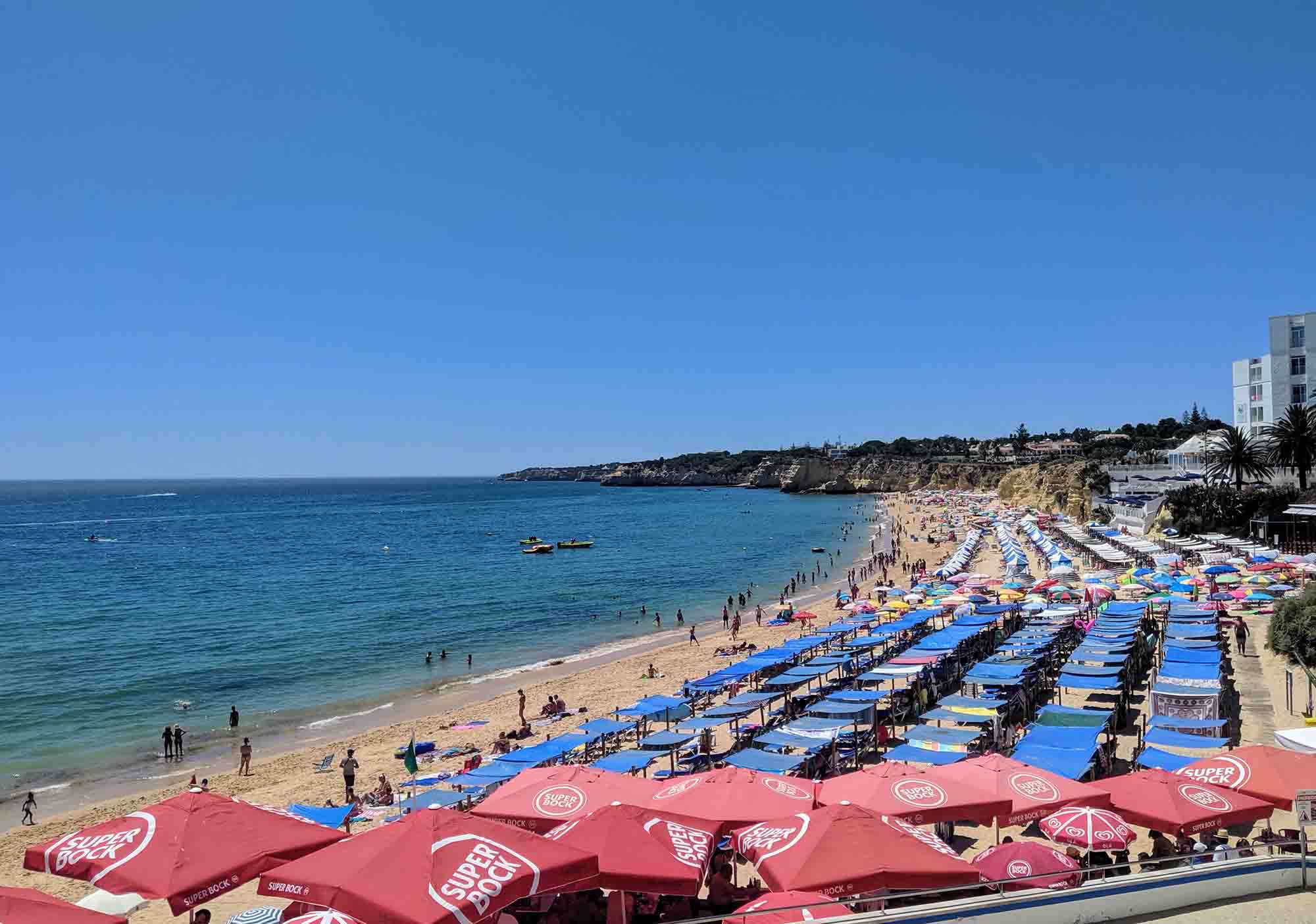
July and August are intense—especially in popular coastal towns.
Parking becomes a competitive sport. Beaches fill up early. Restaurants that felt relaxed in May suddenly need reservations. Even supermarkets can feel chaotic as the population temporarily swells.
Mobile networks slow. Roads clog. The Algarve’s infrastructure stretches to its limits.
The good news? This pressure is highly seasonal.
Workaround: Live slightly inland, choose towns that aren’t tourism-dependent, or plan your routine to avoid peak times. Many long-term residents simply accept summer as “the busy season” and structure their lives around it.
Some areas feel overbuilt
Places like Portimão, Praia da Rocha, and Armacão de Pera can lack that Portuguese charm you moved for.
Parts of the central Algarve—especially around large resorts and beach complexes—are heavily developed. High-rise apartments, dense resort zones, and modern concrete blocks dominate the skyline in some towns.
They’re practical, often well-located, and built for sun exposure—but they don’t always deliver the charm people imagine when they picture Portugal.
If your dream involves cobbled streets, historic centers, and a sense of stepping back in time, you’ll likely gravitate toward places like Faro, Silves, Loulé, or Tavira, or move inland where development has been more restrained.
Portugalist takeaway: The Algarve isn’t one aesthetic. Choosing the right town matters more than choosing the region.
No true big city
You won’t find a Portuguese NYC here. You won’t even find a Des Moines.

This is the simplest—and most subjective—con.
If you thrive on big-city energy—major museums, constant events, nightlife variety, deep job markets—the Algarve may feel limited. Even its largest urban centers are small by U.S. or Canadian standards, and the region simply doesn’t offer the cultural density of places like Lisbon, Porto, or major North American cities.
For some, that’s a deal-breaker. For others, it’s exactly the point.
Portugalist takeaway: The Algarve trades intensity for space, calm, and sunlight. If you need a city to feel alive, you may miss one here.
Drink driving is more common than many newcomers expect
It isn’t just local Portuguese – local expats are guilty too.

In the Algarve (and in many rural parts of Portugal), attitudes toward drinking and driving can feel far more relaxed than what many newcomers are used to. Long lunches, late dinners, and casual social drinking are part of everyday life—and it’s not unusual to hear people speak openly about driving after “a few glasses of wine” (or more).
Enforcement exists, but it can feel inconsistent. When the GNR (National Republican Guard) runs alcohol checkpoints, locals tend to know about them in advance. These operations are often publicly announced, which can reinforce the perception that drink driving is mostly a problem when enforcement is visible.
The issue is compounded by the Algarve’s transport reality. Limited evening public transport, patchy taxi availability in smaller towns, and the general need for a car mean many people simply drive—whether or not they probably should.
Apps like Uber and Bolt have improved the situation in larger towns and during high season, but availability drops sharply in rural areas and late at night.
Portugalist takeaway: This isn’t about judging local culture—it’s about awareness. If drink driving is a major concern for you, choose your location carefully, plan nights out realistically, and don’t assume transport alternatives will always be available.
Geographic dispersion
Community exists, but it’s spread out.
One thing that can catch newcomers off guard is how spread out the Algarve really is.
The region stretches for roughly 150 kilometers (93 miles) along the southern coast, and while there’s a sizable mix of expats and locals throughout, they’re often geographically dispersed. Events, meetups, and social circles can be clustered in specific towns—sometimes an hour or more apart.
That doesn’t mean there’s no community. There very much is. But it does mean that social life often requires planning and driving, and it’s easier to feel disconnected if you live far from where most activity happens. You might think you’ll spend time across the whole of the Algarve but over time, you’ll probably just stick to your region: Eastern, Central, or Western Algarve.
Portugalist takeaway: In the Algarve, choosing where you live matters as much socially as it does practically.
Limited job opportunities

It’s easier if you bring your own income.
The Algarve’s economy is heavily shaped by tourism, and that has knock-on effects for employment.
There are jobs—particularly in hospitality, property services, and tourism—but the overall market is limited, and wages in Portugal remain among the lowest in Western Europe. For many people arriving from the US, Canada, or the UK, local salaries can feel shockingly low when compared to the regional cost of living.
As a result, most people who move to the Algarve already have:
- Retirement income
- Remote or freelance income
- A business serving either tourists or the international community (everything from guesthouses to “English-speaking builders”)
Portugalist takeaway: The Algarve is a great place to live—less so to build a local career from scratch.
So… is the Algarve right for you?
The Algarve is one of the most popular parts of Portugal to move to, and it’s easy to see why.
At its best, it offers a rare combination: sunshine, safety, easy international connections to other European countries, and a lifestyle that feels lighter and less pressured than what many people are used to in North America or the UK. For retirees, part-year residents, and remote workers who arrive with their own income, that combination can be genuinely life-changing.
At its worst, the Algarve can frustrate people who expect it to be something it isn’t: a big city, a bargain destination, or a place where logistics magically become easy just because the weather is good. Seasonality, housing quirks, healthcare bottlenecks, and infrastructure gaps are all part of the package—and ignoring them is usually what leads to disappointment.
Some people come for a few years, enjoy it, and then move on to Lisbon, Porto, or back home when they want more action. Others arrive, settle into the rhythm, and quietly stay for decades. Neither outcome is a failure—it’s just a reflection of fit.
 Thinking about Moving to Portugal?
Comments are closed.